The short answer
Prepare for a corporate video shoot by locking the goal, audience and deliverables first. Then confirm who approves the work, who goes on camera, which locations you can access, what people will wear, who signs releases, the schedule, your brand assets and any legal or compliance review. Most problems on set trace back to one of those left open.
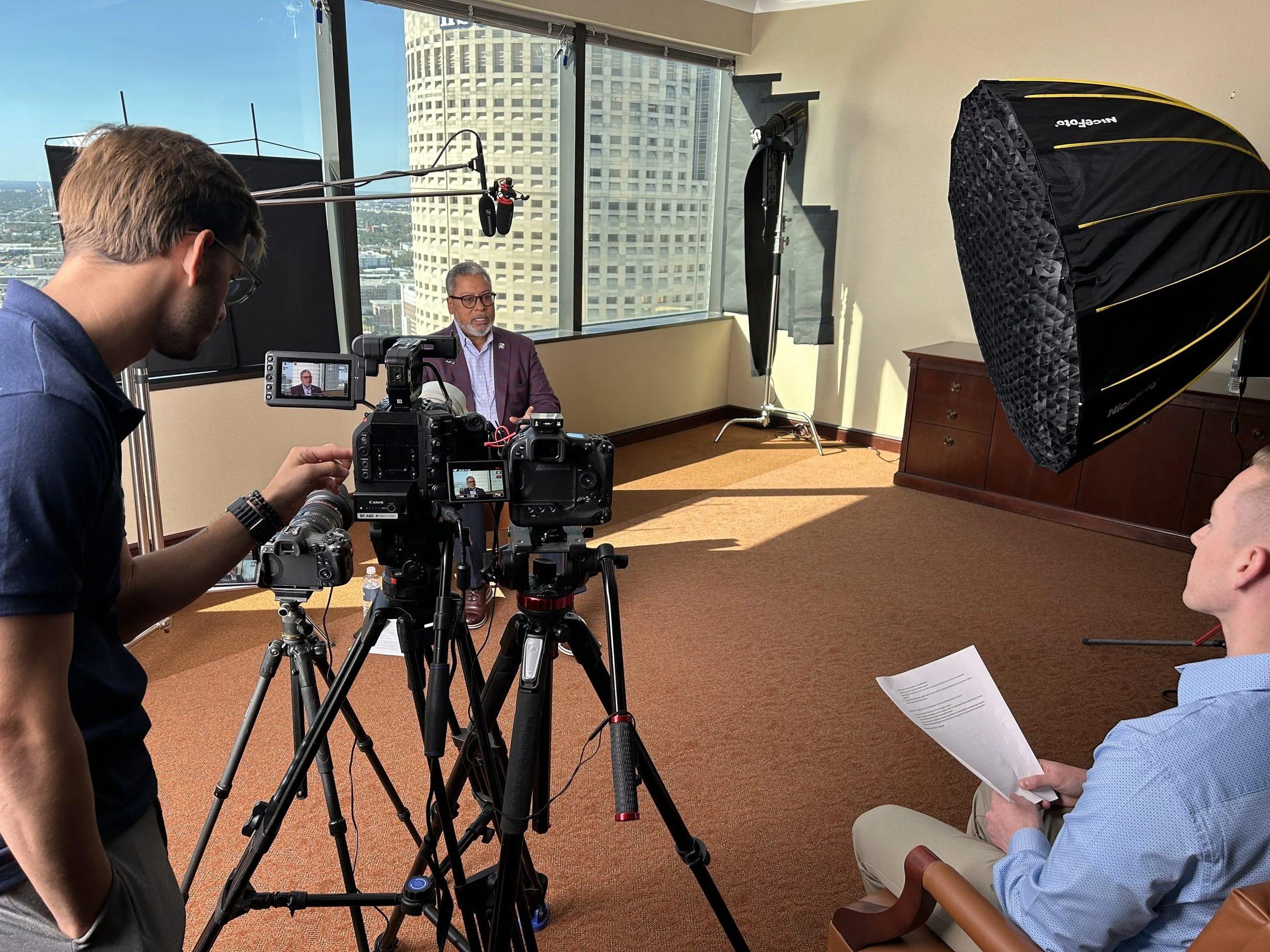
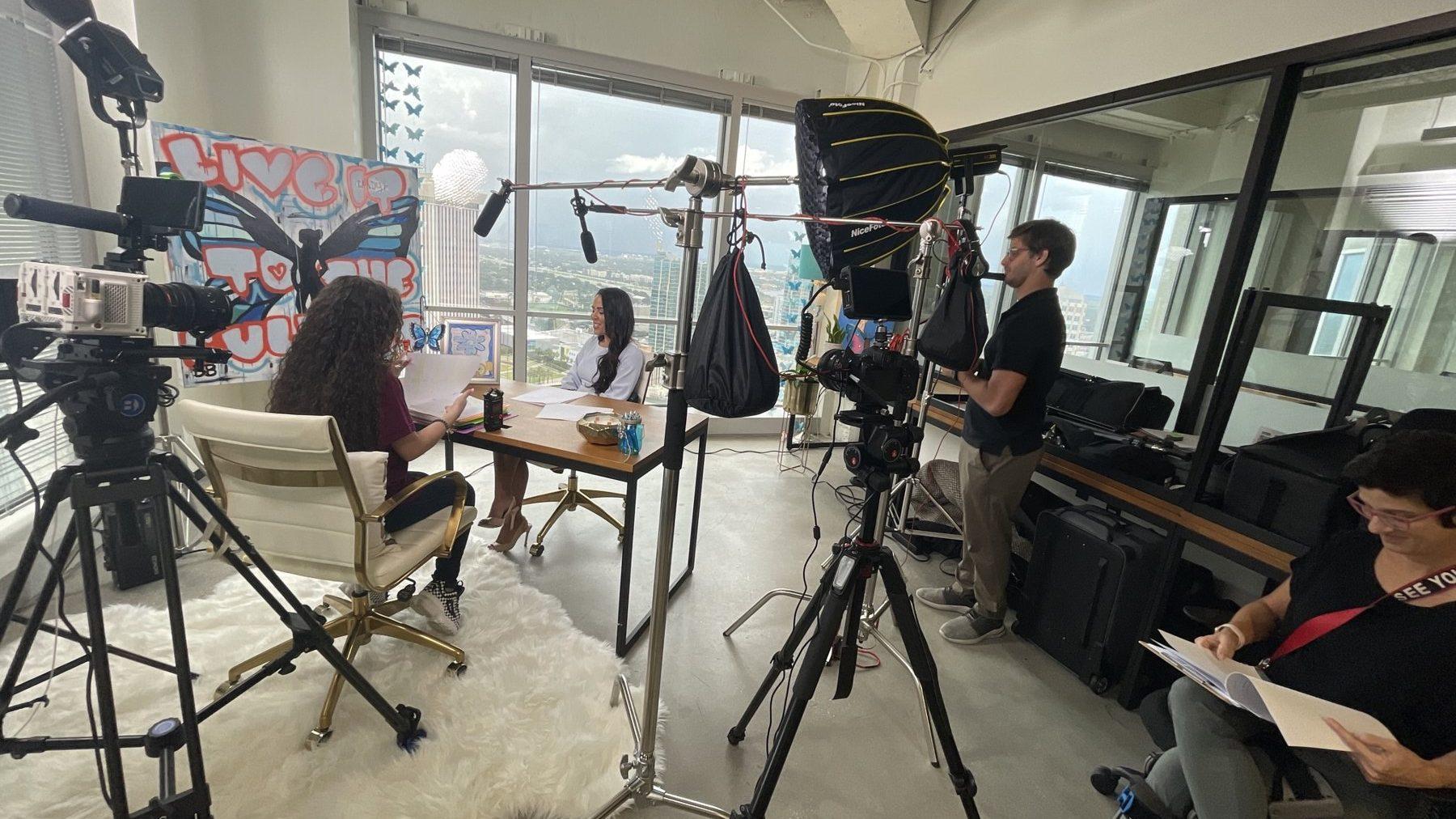
The work that makes a corporate video shoot go well happens before the crew arrives. Lock the goal and deliverables, settle who approves what, prepare the people on camera, clear the locations, and name one person on your side to own the day. The ten items below are the same list Big Wave Productions works through with clients in pre-production before any corporate video shoot in Orlando or on the road.
1. Goals, audience and deliverables
Write one sentence that says who the video is for and what you want them to do after watching. Then list every finished piece you need, with where it will live and an approximate length: the hero video, social cutdowns, interview clips, photography.
This list drives everything else. We shoot with the final edit in mind, so the deliverables decide the cameras, lenses, rigging and how each scene is blocked. A vertical social cut planned in advance looks intentional. One rescued from a horizontal frame after the fact usually doesn't. Our guide to vertical, horizontal and square video covers that decision.
2. Stakeholders and approvals
Name the decision-maker. Then list everyone who will review the script, the rough cut and the final, and agree on the number of review rounds.
Get their input on the concept and the interview outline now, not at the rough cut. The most expensive note is the one that arrives after the shoot and asks for something nobody filmed.
3. Interview subjects
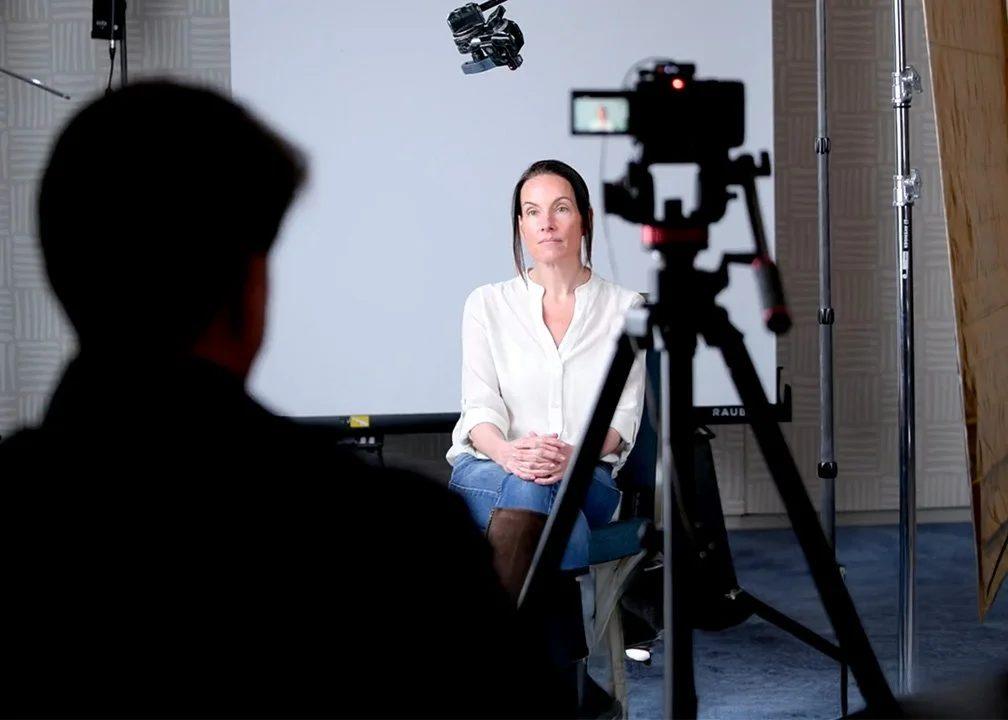
Choose people for what they know and how they talk. Title matters less than you think. For each person on camera:
- Book a short pre-interview call so they know what to expect and the producer hears their stories.
- Share topics, not a script. Memorized answers sound memorized.
- Block their calendar for the full window plus a buffer. Executives get pulled away.
- Tell them how long it will take and where they will look (at the interviewer or into the lens).
Our post on how bank executives can look and sound great on camera applies to leaders in any industry.
4. Locations and access
For every location, confirm:
- Who owns or manages the space, and who signs off on filming
- Building security, badges, parking and a loading entrance for gear
- Power outlets, and whether HVAC, overhead music, phones and announcements can be paused during interviews
- Whether customers, patients or other employees will be in the shot
- Any permits for public property, and airspace rules if aerials are planned
Location scouting is part of our pre-production, so lighting and sound problems surface before the shoot day instead of during it.
5. Wardrobe
Clothing problems are easy to prevent and hard to fix in the edit.
- Choose solid, mid-tone colors. Tight stripes, small checks and fine herringbone can shimmer on camera.
- Avoid large logos from other brands. Your own branded apparel is fine if marketing wants it.
- Pick a layer with a front opening, such as a jacket or button-front shirt, so a wireless mic can hide cleanly.
- Leave noisy bracelets and long necklaces for another day. They rub against microphones.
- Bring a second outfit, pressed and on a hanger.
- Coordinate colors when several people appear together, so the group looks planned.
If you are adding headshots to the same day, our guide on what to wear for corporate headshots goes deeper.
6. Releases
Collect a signed release from every person who appears on camera, including employees. Customers and outside guests sign before filming starts. Minors need a parent or guardian to sign. Private property you don't control needs a location release.
Releases are not paperwork for its own sake. In Florida, section 540.08 of the Florida Statutes bars using a person's name or likeness for commercial or advertising purposes without their consent. Have your legal team approve the release language and decide where signed copies are stored. This article is general information, not legal advice. For more on ownership and permissions, read who owns the footage.
7. Schedule
Build a call sheet with arrival, load-in, setup, each interview slot, b-roll blocks, lunch and wrap. Share it with everyone on camera and anyone who controls access.
Interviews take longer than people expect. Each one needs lighting, a mic check and a few minutes of conversation before the good answers come. Schedule executives once the set is ready, not first thing. Film people working when the office is naturally busy, and plan exterior shots around the best light.
8. Branding assets
Send these before the shoot. They shape the shot list as much as the edit:
- Logo files in vector format, plus brand fonts and color values
- Your brand guidelines and any lower-third or title style
- Names and titles spelled exactly as they should appear on screen
- Approved company boilerplate and any required taglines
- Music you already license, if you want to use it
- A list of signage, products or spaces that should appear, or must not
9. Compliance or legal review
Regulated industries need a review step in the timeline, and it belongs before the shoot as well as after the edit. Show reviewers the script or interview outline and the plan for any on-screen claims, rates or disclosures.
For banks, that often involves the FDIC's official sign and advertising rules in 12 CFR Part 328 and, for deposit rate ads, the advertising section of Regulation DD at 12 CFR 1030.8. Talk to your compliance team early, and see our bank video compliance checklist for the details.
The day before
A short round of confirmations the day before prevents most morning surprises:
- Resend the call sheet to everyone on camera, with their own time slot highlighted.
- Remind interview subjects of the wardrobe guidance and ask them to bring the second outfit.
- Confirm that security, parking and the loading entrance know the crew is coming, and send the names if the building requires them.
- Check that the rooms you reserved are still reserved. Conference rooms get rebooked.
- Make sure anyone who needs to sign a release has the form, or will have it on arrival.
- Confirm the decision-maker's availability for a quick call if something on the shot list has to change.
10. Day-of logistics
- Name one point person with the authority to make decisions on the spot.
- Reserve a quiet holding room for interview subjects.
- Give the crew a space to stage gear near the first setup.
- Clear desks, whiteboards and screens of anything confidential.
- Tell employees filming is happening, and give anyone who prefers not to appear a place to work off camera.
- Plan water and a meal for long days.
The checklist at a glance
| Task | Who usually owns it | Finish by |
|---|---|---|
| Goal, audience and deliverables | Marketing lead | Before the quote |
| Decision-maker and review rounds | Marketing lead | Before the script or outline |
| Interview subjects booked | Marketing, with executive assistants | Before the schedule is built |
| Locations cleared | Facilities or property manager | Before scouting |
| Wardrobe guidance shared | Producer | About a week before |
| Release language approved | Legal | Before anyone is filmed |
| Compliance review of the plan | Compliance | Before the shoot day |
| Brand assets delivered | Marketing | Before the shoot day |
| Call sheet shared | Producer | A few days before |
| Day-of point person named | Marketing lead | Before the call sheet |
Close the list before the crew arrives
A shoot day goes smoothly when these ten items are settled before anyone unpacks a camera. You don't have to finish them alone. We work through this list with clients during pre-production, and the open items become the agenda for our planning calls. See how we approach corporate video production, then book a free discovery call with Brian or call or text the office at 407.498.5980 with your date and locations.
Sources
- The Florida Senate, Florida Statutes section 540.08, unauthorized publication of name or likeness.
- Electronic Code of Federal Regulations, 12 CFR Part 328, FDIC official signs and advertisement of membership.
- Electronic Code of Federal Regulations, 12 CFR 1030.8, Regulation DD advertising.