The short answer
A focused business video, such as an executive message or a social content day, can go from kickoff to final files in two to six weeks. A brand film or commercial usually takes two to three months. Filming is the shortest phase. Planning, editing and review rounds set the calendar, and slow approvals add more time than anything else.
A focused business video can go from kickoff to final files in two to six weeks, and a brand film or commercial usually takes two to three months. The shoot is the shortest part, while planning, editing and review rounds set the calendar, so the speed of your approvals matters more than the speed of the crew. Big Wave Productions, a national photo and video production company headquartered in Orlando, does most of its schedule work in pre-production: creative strategy, scripting, shot lists, location scouting, talent coordination and client review before we roll.
Below are realistic timelines by project type, what happens in each phase, what slows projects down, and what a rush schedule can and can't compress.
Typical timelines by project type
These are planning ranges for a project with a clear brief and an approval chain that answers within a few days. They aren't promises. Your real schedule gets set once the deliverables, locations and approvers are known.
| Project type | Pre-production | Shoot | Editing and review | Typical total |
|---|---|---|---|---|
| Social content day (short vertical clips) | 1 to 2 weeks | 1 day | 2 to 3 weeks | 3 to 5 weeks |
| Executive message | About 1 week | Half a day | 1 to 2 weeks | 2 to 4 weeks |
| Customer testimonial | 2 to 3 weeks | Half a day to 1 day | 2 to 3 weeks | 4 to 7 weeks |
| Corporate or brand film | 3 to 6 weeks | 1 to 3 days | 4 to 6 weeks | 2 to 3 months |
| Commercial | 3 to 6 weeks after script approval | 1 to 2 days | 3 to 5 weeks | 2 to 3 months |
| Conference coverage | Starts months before the show | The show days | Same day for daily edits, weeks for the full set | Depends on the deliverable |
Public data points the same direction. Clutch's Video Production Pricing Guide 2026, compiled from verified client reviews, lists five months as the typical project timeline. That figure spans every type of project on the platform, from animation to live events, so treat it as a market marker rather than a target for a single video.
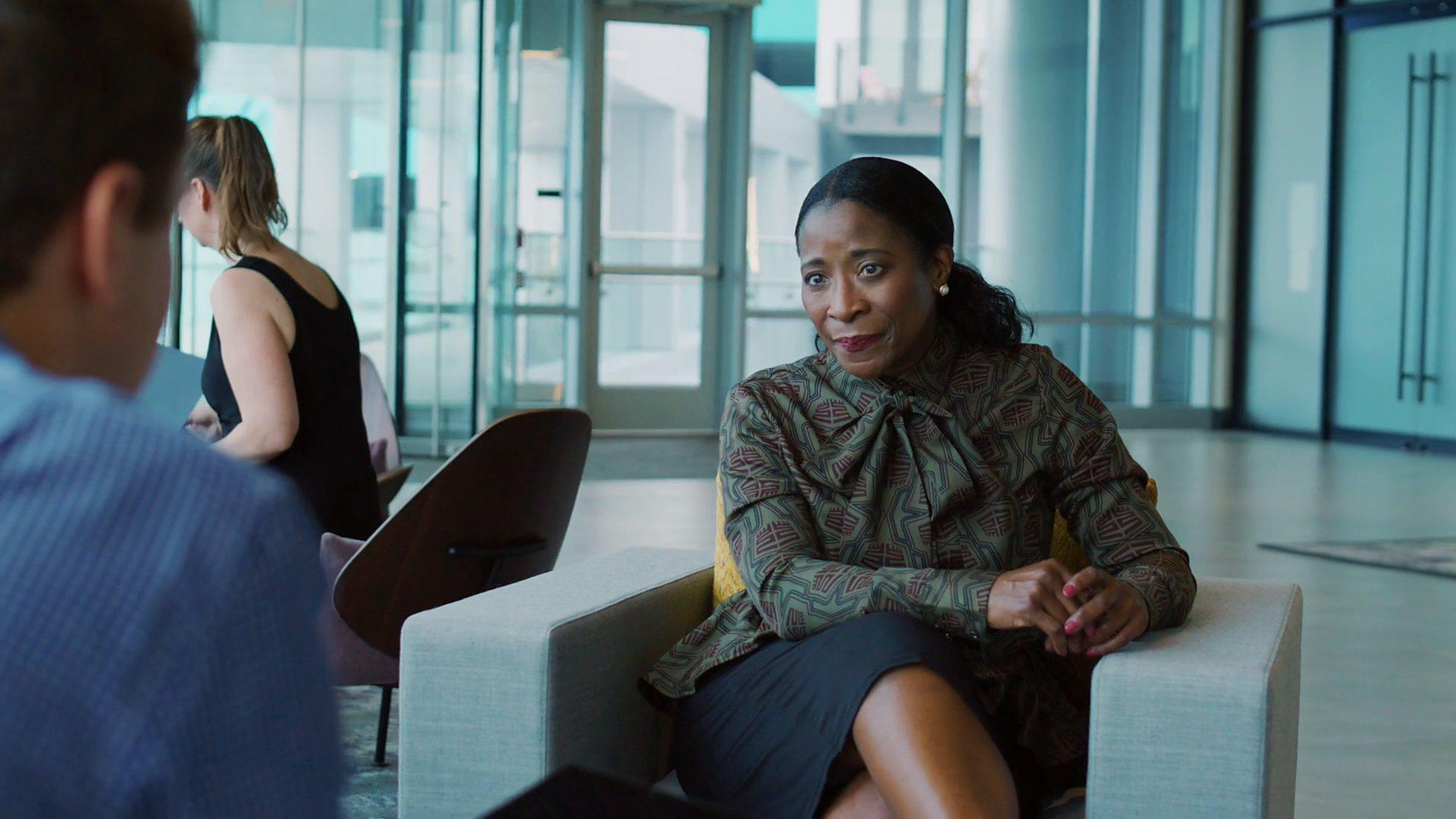
Customer testimonials sit higher than their length suggests because the customer's calendar drives them. Finding the right customer, getting their release and booking a morning at their business often takes longer than filming and editing combined.
The six phases, and how long each one takes
1. Discovery and proposal: about a week
A discovery call covers the goal, audience, deliverables, locations, deadline and approvers. A proposal follows, then a contract. This phase moves as fast as your purchasing process. If your company needs a vendor setup or a signed agreement before work starts, begin that paperwork early. A clear video production brief shortens this step more than anything else.
2. Pre-production: one to six weeks
Pre-production turns the brief into a plan: interview outline or script, shot list, locations, people on camera, releases, schedule and call sheet. It runs longer when:
- A script needs several rounds of approval
- Executives or outside guests have to be booked
- Releases need legal sign-off
- A bank's compliance team reviews the script or interview outline (our bank video compliance checklist covers what they look for)
- Aerials are planned near an airport
Aerials are worth a note. The FAA says its LAANC system can grant airspace authorization in near-real time for many flights in controlled airspace. Flights above the approved altitudes go through a "further coordination" request, which the FAA coordinates manually and accepts up to 90 days in advance. If a drone shot near an airport matters to the film, raise it on the first call.
Our checklist for preparing for a corporate video shoot covers the logistics your team owns during this phase.
3. The shoot: half a day to a few days
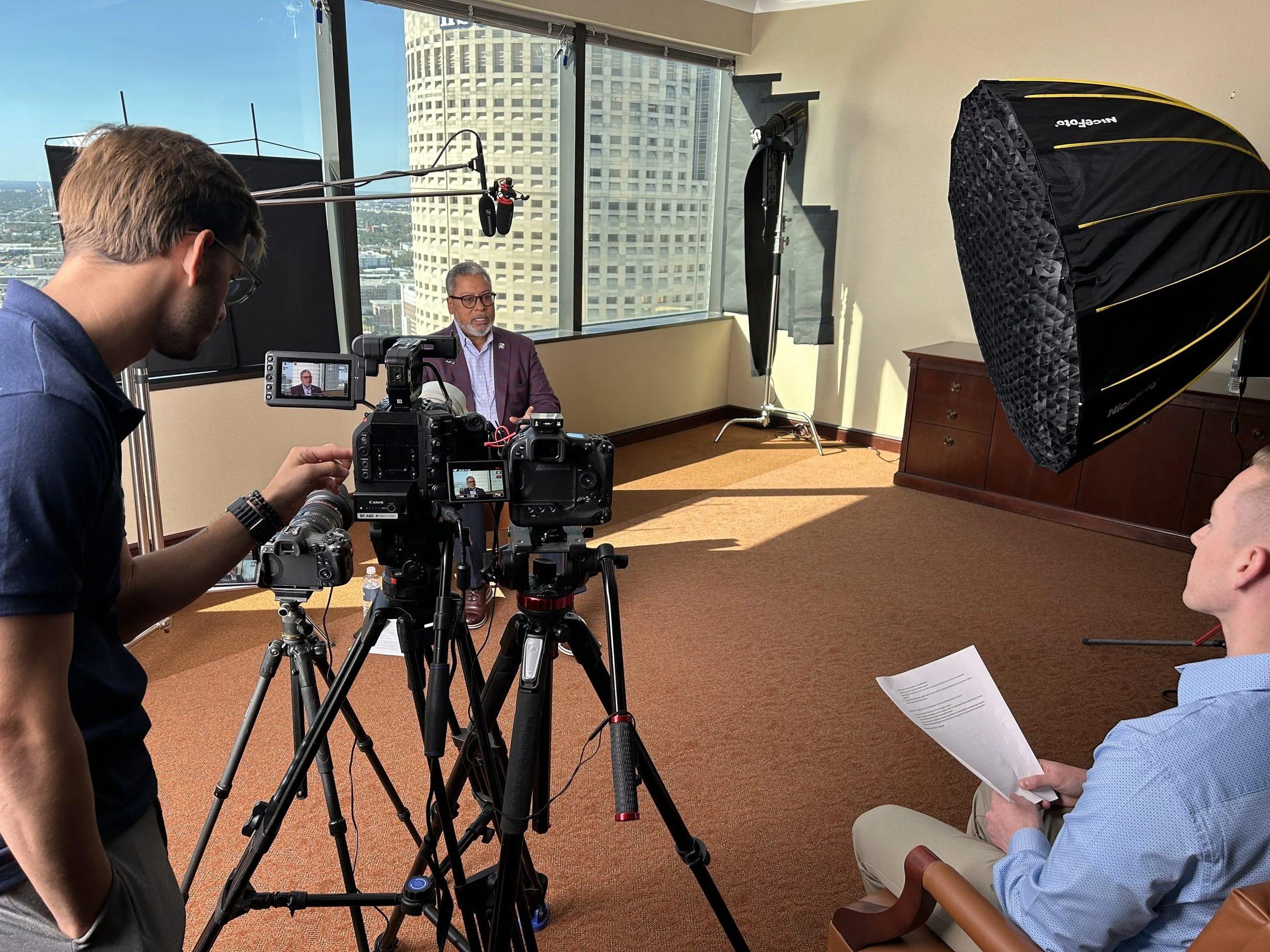
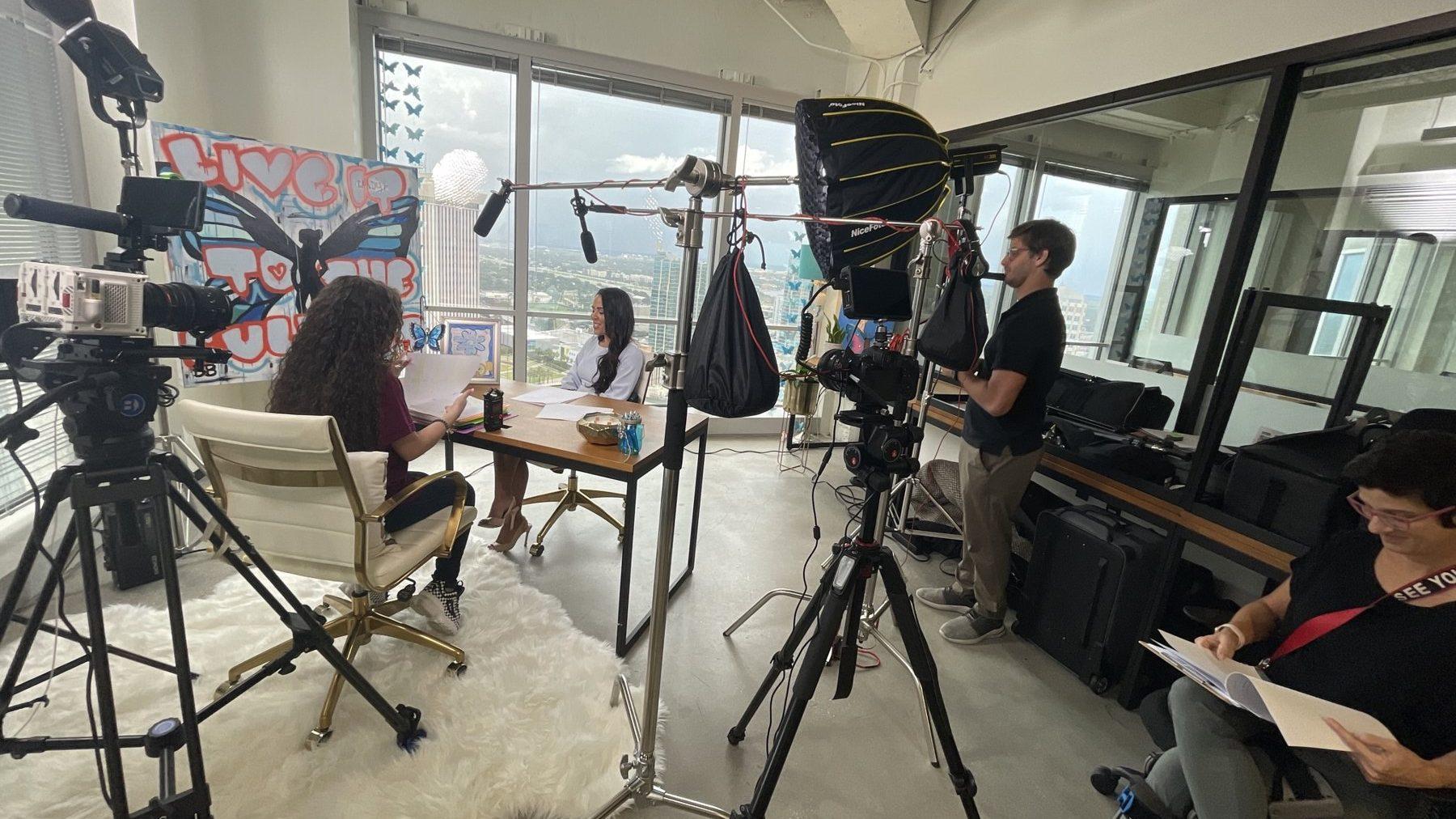
Most business videos film in one or two days. A multi-location brand film can take several, and a multi-city project adds travel days. Outdoor shoots carry weather risk, so a hold date on the calendar is cheap insurance.
4. Editing: one to four weeks of editor time
Editing starts with organizing and syncing the footage and reviewing every interview. Then the editor builds the story and delivers a rough cut. Editing time grows with:
- The amount of footage and the number of interviews
- Motion graphics, animation or visual effects
- The number of deliverables. A vertical cut, a 15-second ad and a 30-second ad are each a separate edit, even from the same footage.
5. Review rounds: where schedules stretch
Review is the phase most teams underestimate. Each round has two clocks: the days your team takes to send notes, and the days the editor takes to make the changes.
Do the math before you agree to a launch date. If each round takes five business days for notes and two or three days for changes, three rounds add three to four weeks. One decision-maker who consolidates notes can cut that in half. Five reviewers who reply one at a time can double it.
A common structure is a rough cut for story, a fine cut for pacing and details, and a final review after finishing. Story changes belong in the first round, because reopening the story after color and sound are done means redoing them.
6. Finishing and delivery: about a week
Finishing covers color grading, the sound mix, licensed music, graphics and captions. Delivery means a correctly sized file for every placement: website, YouTube, social in each aspect ratio, a lobby or event display. Leave a few days to upload and test everything before launch day.
What slows video projects down
- Approvals that arrive one person at a time. Notes that trickle in from several reviewers stretch every round.
- Compliance or legal seeing the work late. A note on the final cut can send the edit back to the first round.
- Executive calendars. A rescheduled interview can push the shoot and every date behind it.
- A changing goal. New messages after the shoot mean footage nobody filmed.
- A popular song. The U.S. Copyright Office explains that putting music in a video requires synchronization licenses from both the owner of the musical work and the owner of the sound recording. Those are private negotiations, and either owner can take weeks or say no. Production music avoids that wait.
- Missing assets. Logo files, fonts, legal lines and correct name spellings that arrive late hold up the final.
Work backward from a fixed date
When the video has to be live by a certain day, build the schedule backward from it. Here is a sample for a brand film tied to a launch.
| Weeks before launch | Milestone |
|---|---|
| 10 to 12 | Discovery call, proposal approved |
| 8 to 10 | Interview outline or script approved, including compliance review |
| 6 to 7 | Shoot days |
| 4 to 5 | Rough cut review |
| 3 | Fine cut review |
| 2 | Final review, captions and legal lines approved |
| 1 | Files delivered, uploaded and tested on every platform and screen |
| 0 | Launch |
Some events add footage that can only be captured on certain days. For SouthState Bank's Tampa regional headquarters, the film included a timelapse of the Rivergate Tower signage installation, which could only be filmed while the signs went up, and the finished film had to be ready for the grand opening. Fixed dates like that are why the calendar comes first.
Rush schedules: what compresses and what doesn't
A rush is possible when the scope is focused and approvals are fast. These things compress well:
- One decision-maker who returns notes within a day or two
- An interview-led format instead of a fully scripted one
- Phased delivery: the main video first, cutdowns and versions after launch
- Production music instead of a negotiated song
- Existing footage from earlier shoots for b-roll
- Locations you control, such as your own office or branch
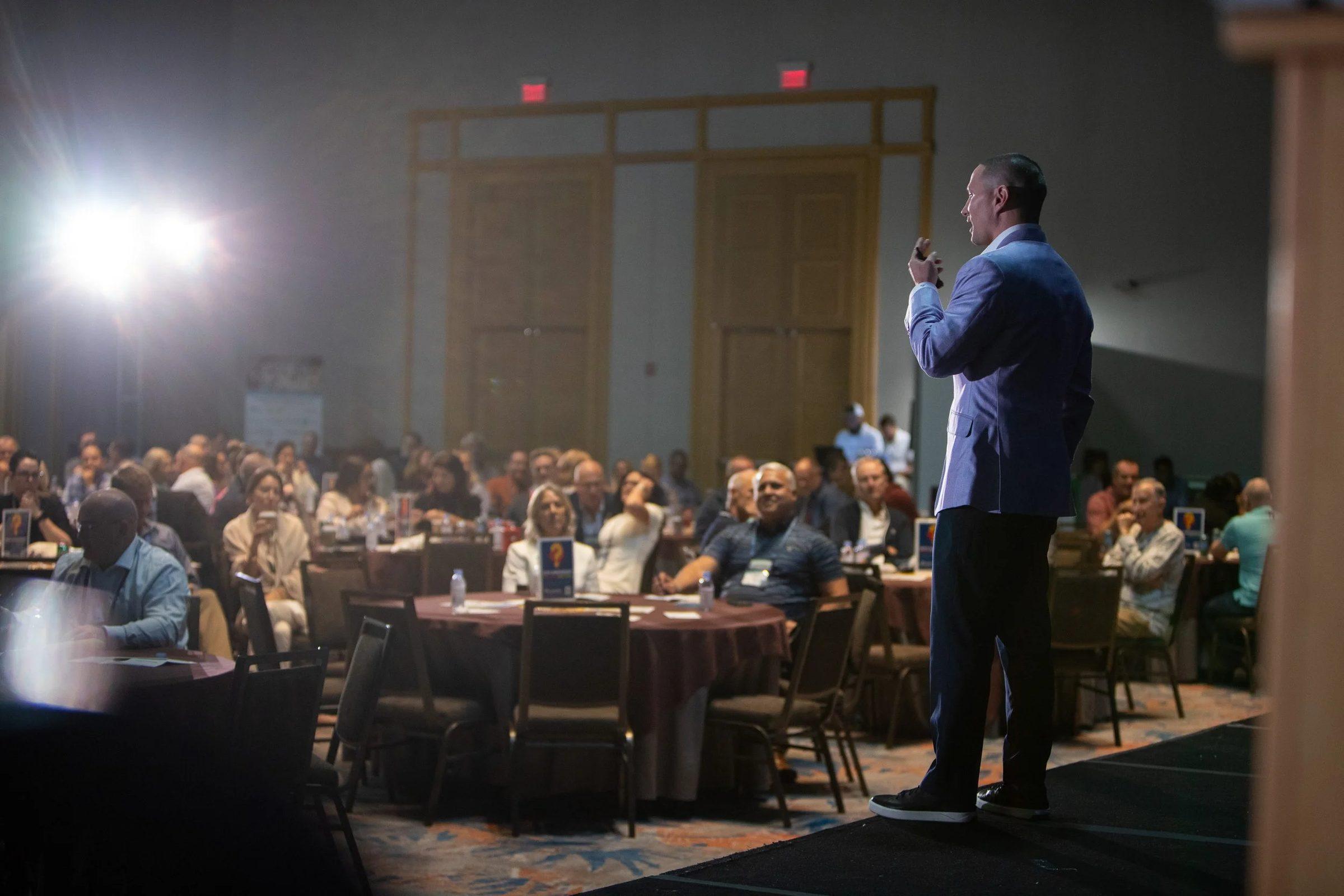
Event content is the extreme case. At conferences, Big Wave delivers batches of edited photos the same day and can cut same-day daily recap videos. At E-Scrap 2025 in Grapevine, Texas, that meant three same-day daily recap videos during the show. It works because the deliverables are agreed ahead of time and the edit runs alongside the event. Our post on same-day event recap videos explains the workflow.
Some things don't compress at all: an executive's calendar, a compliance department's review queue, manually coordinated airspace authorizations and the negotiation for a well-known song. If your deadline is tight, take those off the plan or start them first. A rush also tends to cost more, because it usually means more people working in parallel.
Start with your date
The fastest way to a realistic timeline is to share the date the video has to be live, the deliverables you need and the names of everyone who approves. See how we plan corporate video production, then book a free discovery call with Brian or call or text the office at 407.498.5980. We'll map the phases backward from your date and tell you plainly what fits.
Sources
- Clutch, Video Production Pricing Guide 2026, typical project timeline, page updated September 21, 2026.
- Federal Aviation Administration, Low Altitude Authorization and Notification Capability (LAANC).
- U.S. Copyright Office, Copyright and the Music Marketplace (February 2015 report), section on synchronization rights.