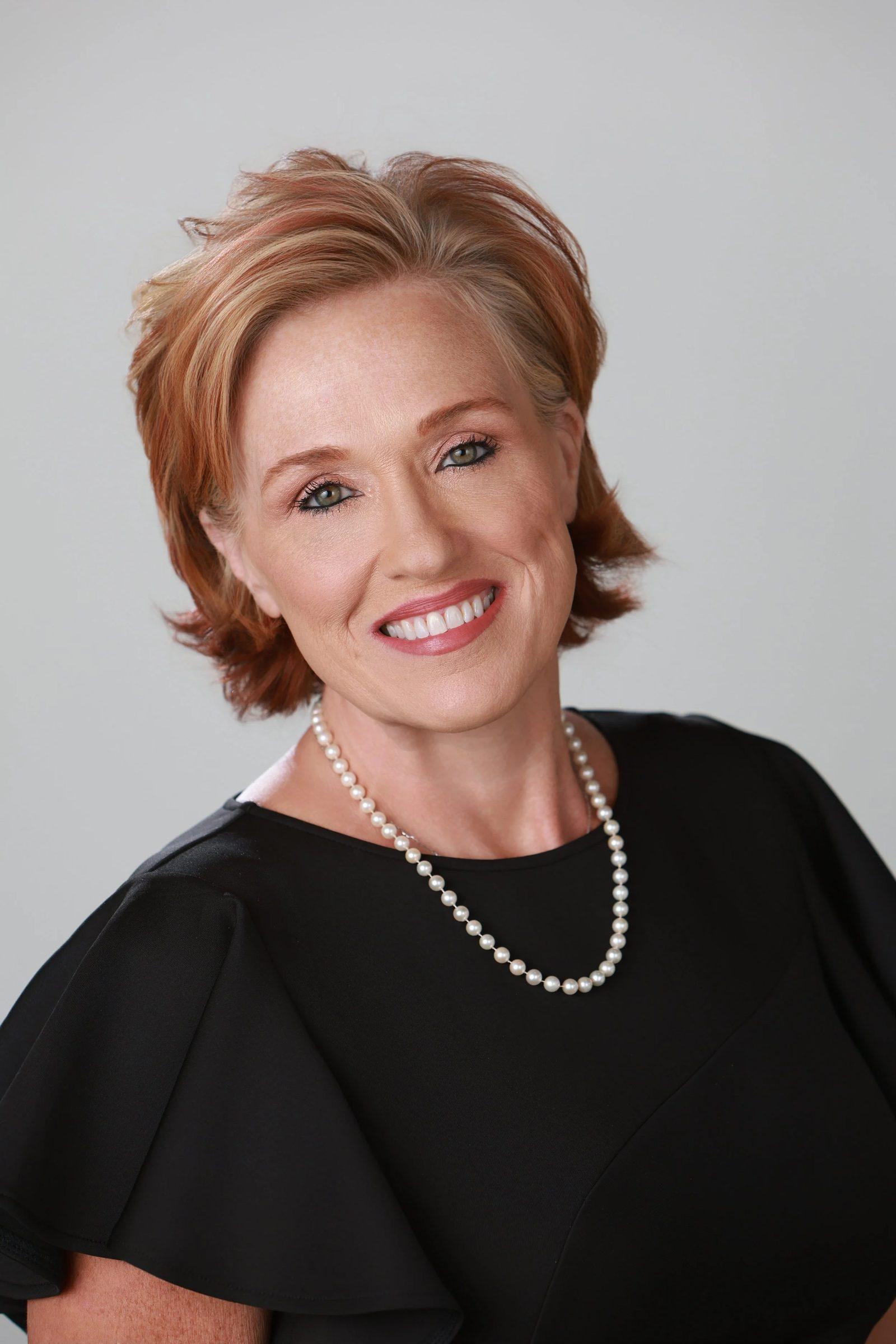
The short answer
For corporate headshots, wear solid, mid-to-deep colors such as navy, charcoal, forest green or burgundy, in a top or jacket that fits well at the shoulders and collar. Skip fine stripes, small checks and big logos. Keep makeup matte, wear your everyday glasses, and let the whole team follow one simple wardrobe plan.
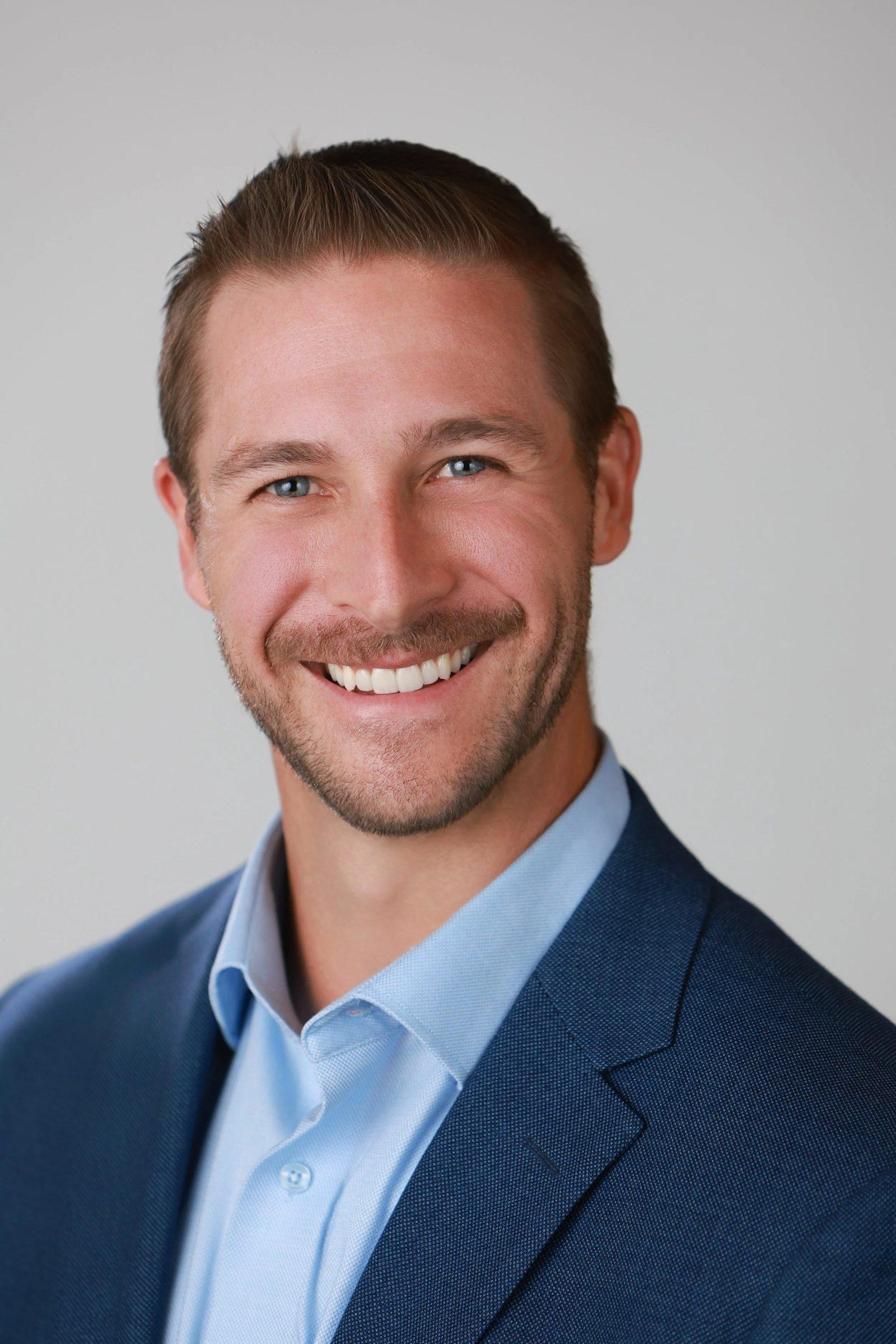
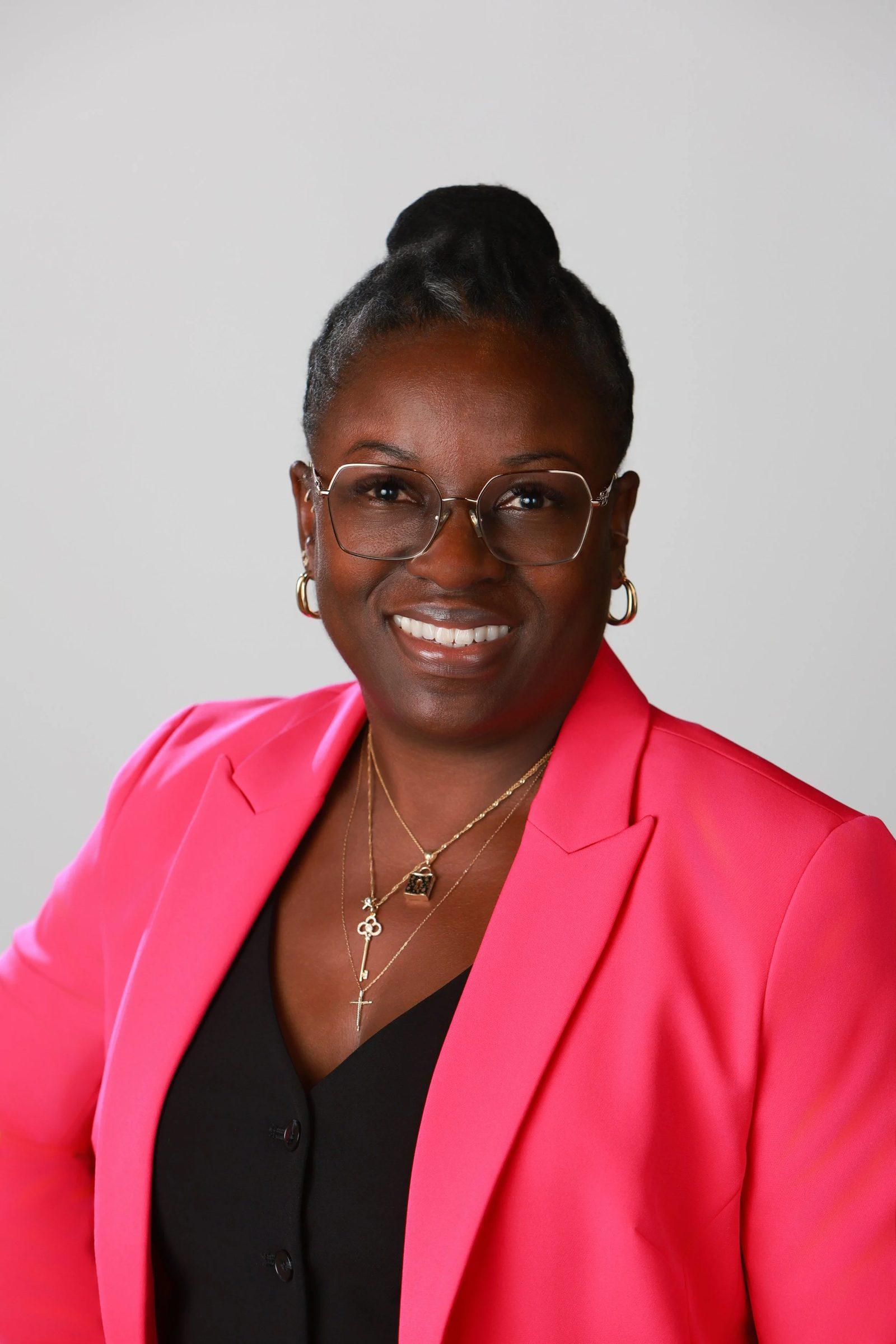
Wear solid, mid-to-deep colors in a top or jacket that fits you well at the shoulders and collar. Avoid fine patterns, large logos and anything brand new you have never worn before. Big Wave Productions shoots on-site corporate headshots for companies, banks and conferences across the country, and the people who look best in their portraits almost always kept their wardrobe that simple.
Below are the details we get asked about most on headshot day, starting with a version short enough to paste into a calendar invite.
The short version for your calendar invite
If you are sending one paragraph to your team before headshot day, send this:
- Wear a solid color in a medium or deep tone. Navy, charcoal, forest green, burgundy, slate blue and soft gray all photograph well.
- Choose a top or jacket that fits at the shoulders. The crop is chest up, so the shoulders and neckline are what people see.
- Skip fine stripes, small checks, houndstooth and large logos.
- Wear your everyday glasses if you wear them every day.
- Keep makeup matte and grooming fresh, not new. No first-time haircuts the day before.
- Steam your shirt and bring a lint roller.
Which colors work best in a headshot?
Mid-to-deep solid colors work best because they keep the attention on your face. Your face is the brightest, most detailed thing in a good headshot. Clothing that is darker and simpler than your face lets the eye go straight there.
A few practical notes from the set:
- Navy and charcoal are the safest choices for almost everyone. They read as professional in every industry and they print well.
- Jewel tones like emerald, burgundy and deep teal add color without pulling focus from the face. They suit teams that want something warmer than navy and gray.
- Black works, but it can lose detail and look heavy if the lighting is bright and high key. A charcoal or navy jacket gives you the same formality with more shape.
- Bright white on its own tends to steal attention and can lose texture. Under a jacket, it works well.
- Neon and very saturated colors reflect onto skin and chin. They are hard to retouch and they date quickly.
Think about the backdrop, too. If the team is shooting on light gray, a light gray sweater will blend in. If the backdrop is white, avoid white tops on their own. When you book headshots, ask the photographer which backdrop is planned and plan wardrobe against it.
Patterns, logos and texture
Fine patterns are the most common wardrobe problem we see. Thin pinstripes, tight checks and houndstooth can create a shimmering effect called moiré, where the camera sensor and the pattern fight each other. It shows up on screens and in compressed images on LinkedIn, and it is hard to fix cleanly.
Texture is different. A knit, a tweed or a subtle weave adds depth and photographs well, as long as the pattern is not tight and high contrast.
Logos are a judgment call. A small company logo on a polo can be right for a team page. A large brand logo or a slogan will pull focus and date the photo. If you are not sure, leave it out.
Fit matters more than the label
The headshot crop is usually from the middle of the chest up, which means the shoulders, collar and neckline are most of what the camera sees. An inexpensive jacket that fits beats an expensive one that is a size too big.
Check these before you sit down:
- Shoulders. The seam should sit at the edge of your shoulder, not hang past it.
- Collar. A collar that gaps at the neck looks sloppy on camera. If you wear a tie, it should sit snug.
- Neckline. Very low or very high necklines both pull focus. A standard crew, V-neck or open collar is easiest.
- Jacket buttons. Button a single-breasted jacket for a cleaner line. The photographer can tell you if it pulls.
- Wrinkles and lint. Retouching is built for skin and light, not wardrobe repairs. Steam the shirt and use the lint roller.
Glasses and glare
If you wear glasses every day, wear them in your headshot. People who know you will recognize you, and that is the point of a headshot.
Glare is a lighting problem, and it is mostly solved on set. The photographer can move a light, raise it, or ask you to tilt your chin or the frames slightly so the reflection moves out of the lens. Anti-reflective coatings help, but they can leave a faint colored tint in the reflection. Any glare that remains is part of our standard retouching.
Two small tips: clean your lenses right before your turn, and if your lenses darken in sunlight, bring a clear pair in case the room has strong window light.
Makeup and grooming
Aim for your normal, best-rested look. Headshot lighting is flattering, so heavy makeup is not needed, and shine is the main thing to manage.
- Matte over shiny. A light, matte foundation or powder keeps the forehead and nose from reflecting the lights. Skip shimmer and glitter products.
- Lips and brows. A natural lip color and groomed brows are enough for most people. Lip balm helps more than people expect.
- Hair. Get a haircut about a week before, not the day before. Bring a small brush or comb and some product for flyaways.
- Facial hair. Shave the morning of the shoot or trim beards a day or two ahead so the line is clean but not raw.
- Nothing new. Headshot day is not the day to try a new skincare product, new frames or a new hair color.
For executive sessions, some companies bring in a hair and makeup artist. For a full team day, a small table with powder, blotting papers, a mirror, a lint roller and a steamer covers most needs.
How to keep a whole team consistent
The difference between a team page that looks professional and one that looks random is usually a short wardrobe decision made in advance. Someone in marketing or HR decides it once, and it goes out with the scheduling link.
| Decision | Common choice | Why it matters |
|---|---|---|
| Jacket or no jacket | Jacket for client-facing roles, optional for others | Mixed formality is the first thing people notice on a team page |
| Tie | Optional, or none for everyone | One tie in a row of open collars looks out of place |
| Color family | Solid navy, gray, black or deep tones | Keeps the page calm and lets faces stand out |
| Backdrop | One color for everyone | Mixed backdrops make a team look like a collage |
| Crop and pose | Chest up, shoulders angled, same camera height | Consistent framing is what makes portraits look like a set |
The photography side matters just as much. Same backdrop, same lighting and same crop for every person. When a company has offices in several cities, those settings should be written down so new hires next year match the people photographed this year. Our guide to on-site corporate headshots logistics covers how we keep that spec consistent across offices.
Industry norms: banking is not a design studio
What counts as professional changes by industry, and your headshot should look like someone your clients expect to meet.
- Banks and financial institutions. Jackets are still the norm for lenders, relationship managers and executives, often with an open collar now instead of a tie. Branch teams sometimes wear a branded polo or a consistent color. If your leaders also appear in executive video, keep the look consistent across both.
- Law, accounting and financial services. Similar to banking, usually a little more formal for partners.
- Healthcare. Clinicians often wear a white coat or scrubs, which works as long as everyone does the same thing.
- Technology and creative firms. No jacket, more color and texture, often a lighter backdrop. Fit still matters just as much.
- Conference attendees. Whatever they wore that day, and that is fine. More on that in our guide to running a headshot lounge at your conference.
What we retouch, and what we leave alone
Every portrait Big Wave Productions delivers is professionally retouched. We call it the 10 / 10 / 10 Treatment: people look rested (like 10 hours of sleep), refreshed (like time dialed back 10 years) and refined (like 10 pounds of stress disappeared).
In practice, that means we handle:
- Shine on the forehead, nose and cheeks
- Temporary blemishes
- Under-eye circles and fine lines, softened rather than erased
- Eyeglass glare
- Flyaway hairs
- Uneven shadows from the room
What we keep is just as important. Natural skin texture stays. Your features and your expression stay. The goal is a portrait that looks like you on a good day, so the person who meets you in the lobby recognizes you from your LinkedIn photo.
Send the wardrobe note, then book the day
Wardrobe is the part your team controls. Consistent studio lighting in your office or at your event, and the same retouching standard on every portrait, is the part we bring. See how our corporate headshots program works, then book a free discovery call or call or text the office at 407.498.5980. We will help you pick the backdrop and write the wardrobe note that goes out with the sign-up link.