The short answer
For on-site corporate headshots, plan a clear area about 10 by 15 feet with a standard outlet nearby, and schedule 4 to 6 minute slots. A realistic, conservative number is 10 to 15 people per hour per photographer for scheduled sessions. Outfit changes, glasses, coaching and on-the-spot selection are what move that number up or down.
For on-site corporate headshots, you need a clear area of about 10 by 15 feet, a standard outlet within reach, and a schedule built on 4 to 6 minute slots. A realistic, conservative planning number is 10 to 15 people per hour per photographer for scheduled office sessions. Big Wave Productions brings a mobile headshot studio to offices and conferences across the country, and before every headshot day we settle the same details with the client: the room, the power, the backdrop, the schedule and the delivery.
How much space does an on-site headshot setup need?
Plan on a clear area of roughly 10 by 15 feet with ceilings of 8 feet or more. That gives room for the backdrop, two or three lights on stands, the person being photographed, and enough distance for the photographer to use a flattering portrait lens.
Our mobile setup uses the same studio-quality lighting, lenses and backdrops we use on our larger productions, in a compact footprint that fits inside an office or an event. Smaller rooms can work with a tighter plan, so send us a few phone photos of the space before the day.
What makes a room good or bad:
- Good: a conference room or training room you can clear, a quiet corner of a lobby, a breakout room at a conference.
- Workable: a room with big windows, as long as the windows are beside or behind the camera rather than behind the subject.
- Hard: a hallway with constant foot traffic, a room with a strongly colored wall right next to the set, or a space you have to give back halfway through the day.
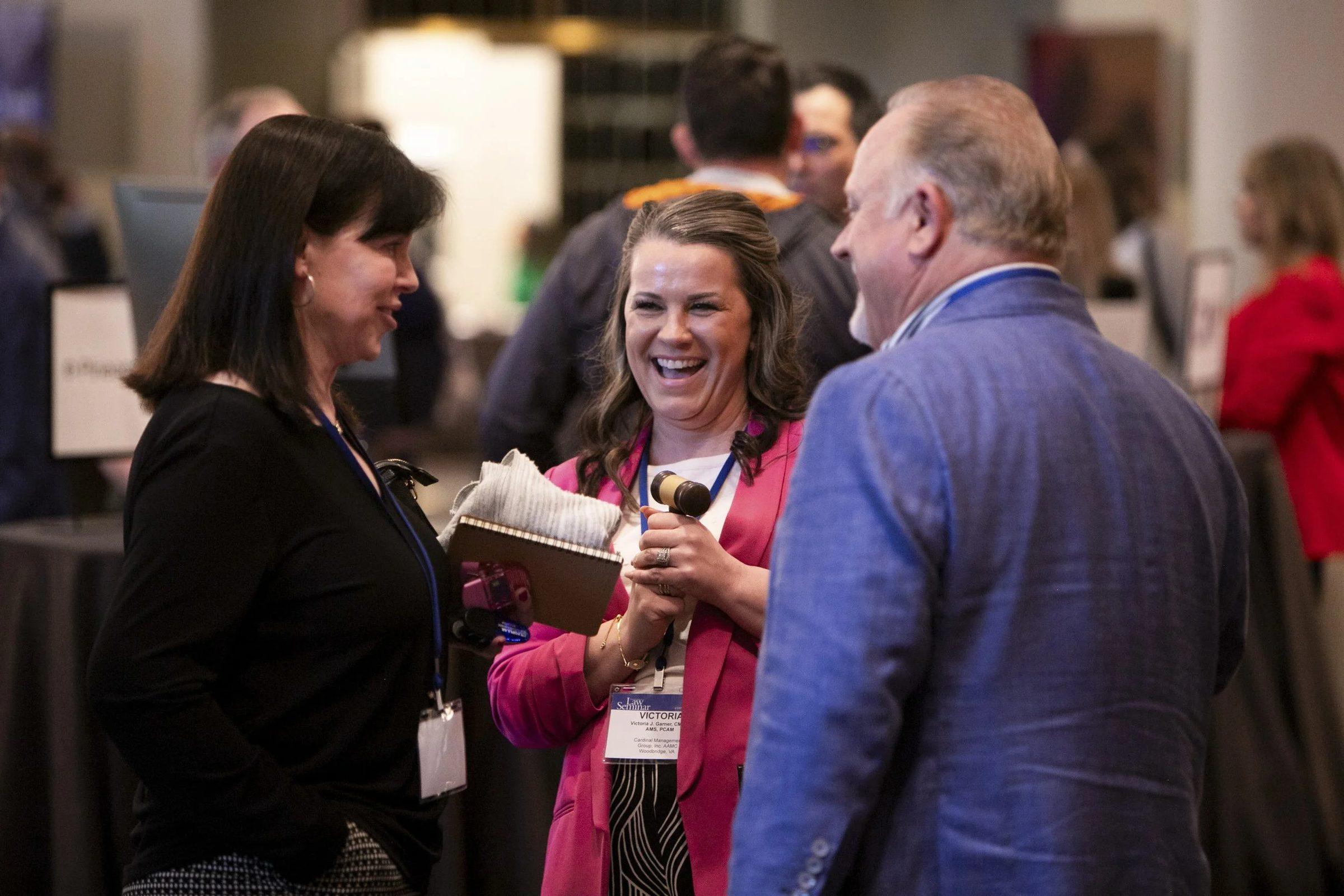
At conferences, location matters more than size. A headshot lounge near registration or on the path to the general session gets steady traffic. One tucked into a far corner of the sponsor hall gets a line at breaks and nothing in between. Our guide to running a conference headshot lounge covers placement and sponsorship in detail.
Power, furniture and the small things
The setup is modest, but it still needs a few things from you. Ask for:
- One standard outlet within reach of the set, ideally on a circuit that is not shared with a coffee station
- A table for check-in, plus one for the laptop and tethering screen
- Four to six chairs for people waiting
- A mirror, if the room does not have one nearby
- A way to keep the door closed or a sign that says a session is in progress
Every cable that crosses a walkway should be taped down. If the venue requires a union electrician or charges for power at a conference, that needs to be sorted with the venue before the event, not on the morning of.
Backdrop options and when to use each
The backdrop sets the tone for every portrait and has to stay the same across the whole team.
| Backdrop | Best for | Watch out for |
|---|---|---|
| Medium or charcoal gray | Banks, law, financial services, most corporate teams | Light gray clothing can blend in |
| White | Modern, bright team pages, tech and creative firms | White tops lose definition, needs even lighting |
| Black or deep color | Executives, speaker headshots, bold brands | Dark hair and dark jackets can merge into it |
| Brand color | Teams that want a signature look | Must match exactly across future sessions |
| Office environment, softly blurred | Teams that want a real-place feel | Hard to repeat across different offices |
For companies with more than one office, a plain gray or white paper backdrop is the easiest to match a year from now.
How many people per hour, realistically
Plan on 10 to 15 people per hour per photographer for a scheduled office session with one look per person. That is a conservative number on purpose. It lets everyone get a relaxed few minutes, a look at the screen and a second chance if they blinked.
A walk-up lounge at a conference can move faster at peak times because each person shoots one look and leaves. It can also sit empty during sessions. If a sponsor is promising headshots to every attendee, base that promise on the conservative number and the real number of open hours, not on the busiest 20 minutes of the day.
What moves the number up or down
- Outfit changes. Each change adds several minutes. Put people with two looks in longer slots.
- Glasses. Glasses take a little longer to light without glare. Not a problem, just plan for it.
- Coaching. Some people are camera-shy. A good photographer slows down for them, and the schedule should allow it.
- Selection on the spot. If each person picks their favorite at the screen, add a minute or two. Choosing later from an online proofing gallery keeps the line moving.
- Check-in. A person at the door with the schedule, a name list and a lint roller saves the photographer real time.
- Group and team photos. These need a separate block and often a different setup.
- Hair and makeup. A touch-up station helps the portraits but adds time per person.
Scheduling blocks that actually work
Use a shared sign-up link or calendar with fixed slots, and send the wardrobe note with it. Our post on what to wear for corporate headshots is written so you can forward it as is.
A day that works well looks like this:
- Setup. Arrive and build about 60 to 90 minutes before the first slot. Test the light on a volunteer.
- Leaders early. Executives in longer slots in the first hour, before the day gets away from them.
- Team blocks. 4 to 6 minute slots by department, so whole teams are not out at once.
- A buffer every hour. Five to ten open minutes per hour absorbs late arrivals.
- Catch-up window. 30 to 60 open minutes at the end for anyone who missed their time.
- Group photo, if any. Last, once everyone is already dressed and in the building.
Mornings tend to produce better portraits than right after lunch. People are fresher and the schedule has not slipped yet.
Selection, retouching and delivery
Shooting tethered to a laptop or monitor lets the subject see the images as they are made, which helps nervous people relax. Many teams prefer that people choose their final image from an online gallery afterward, which keeps the session short.
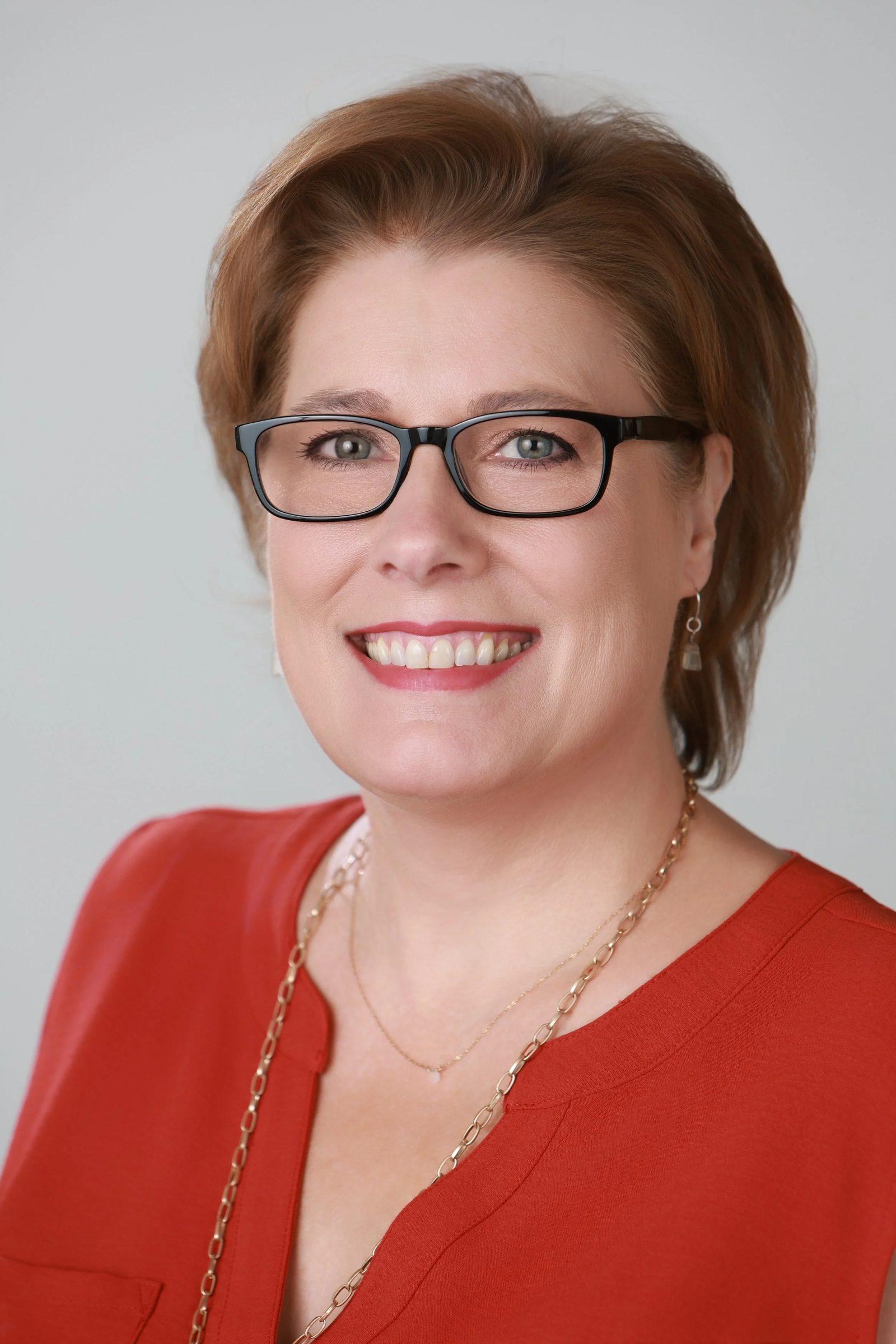
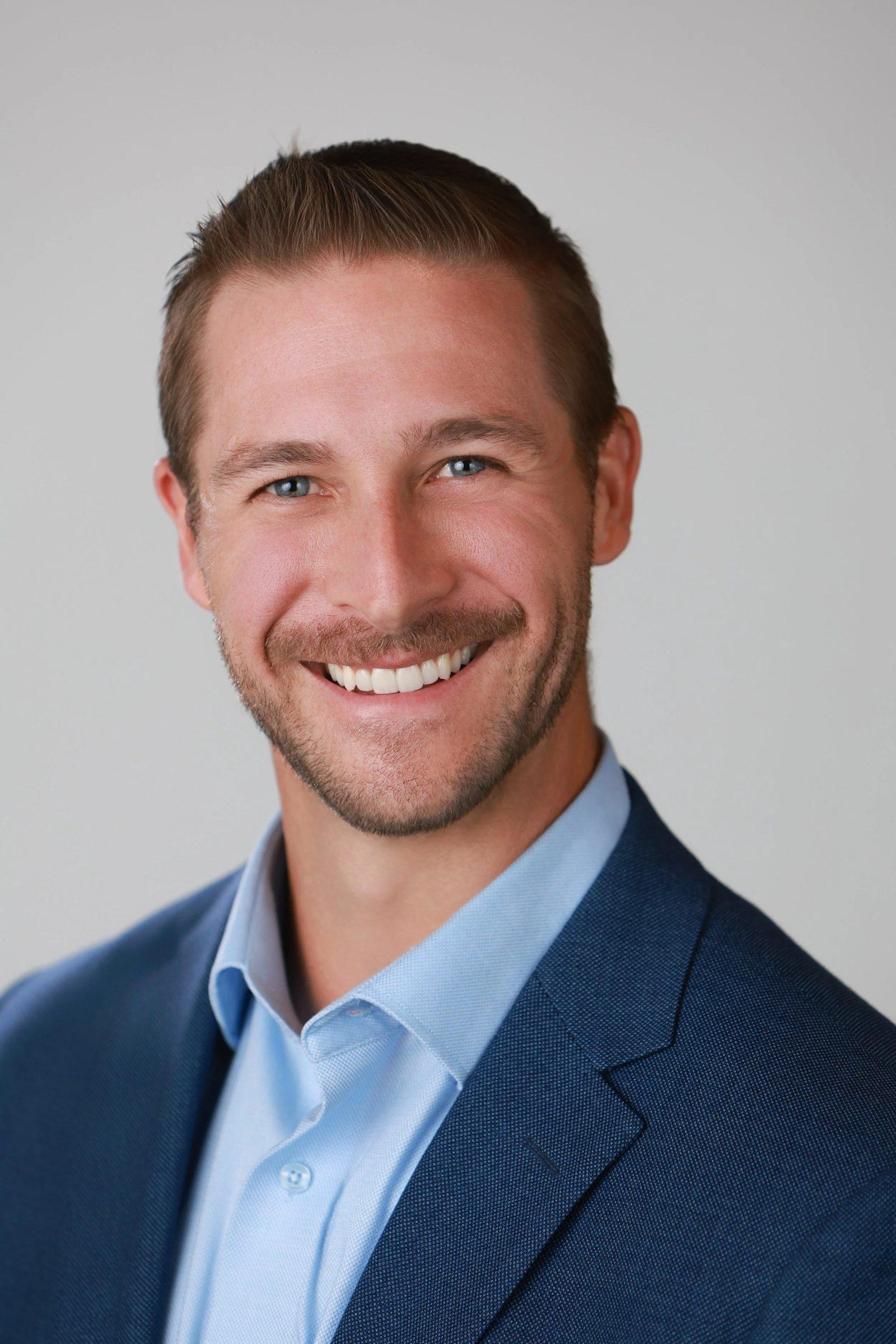
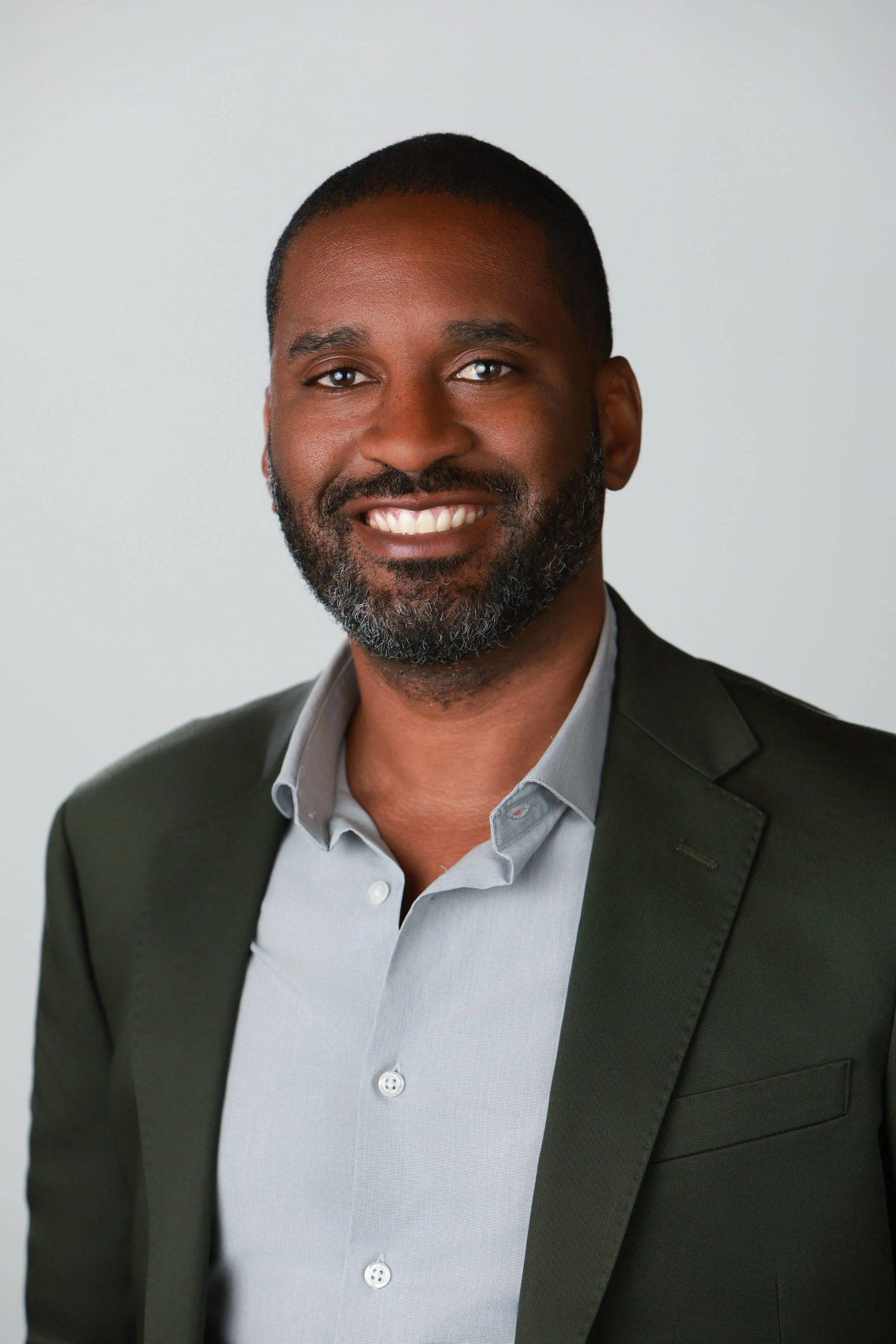
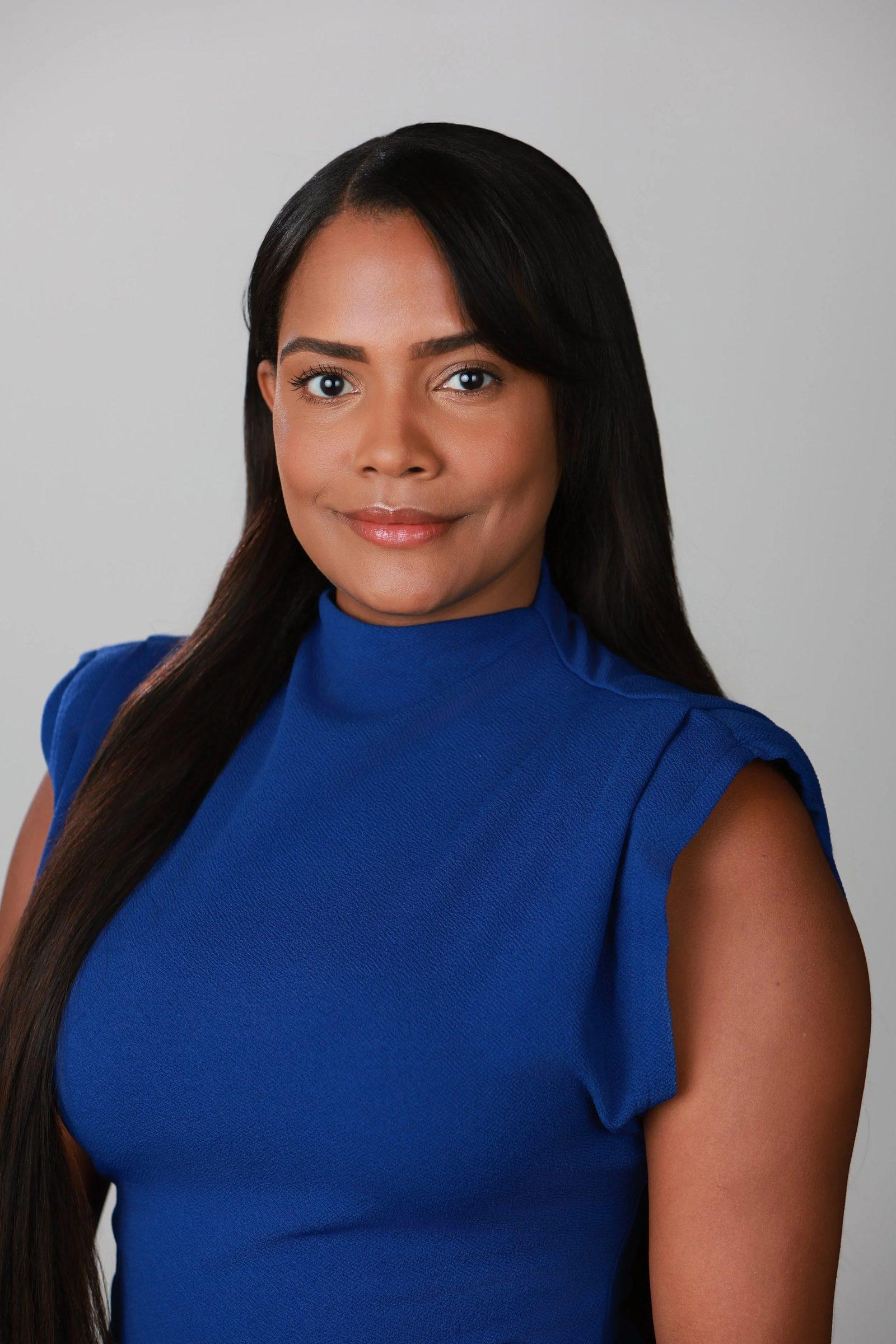
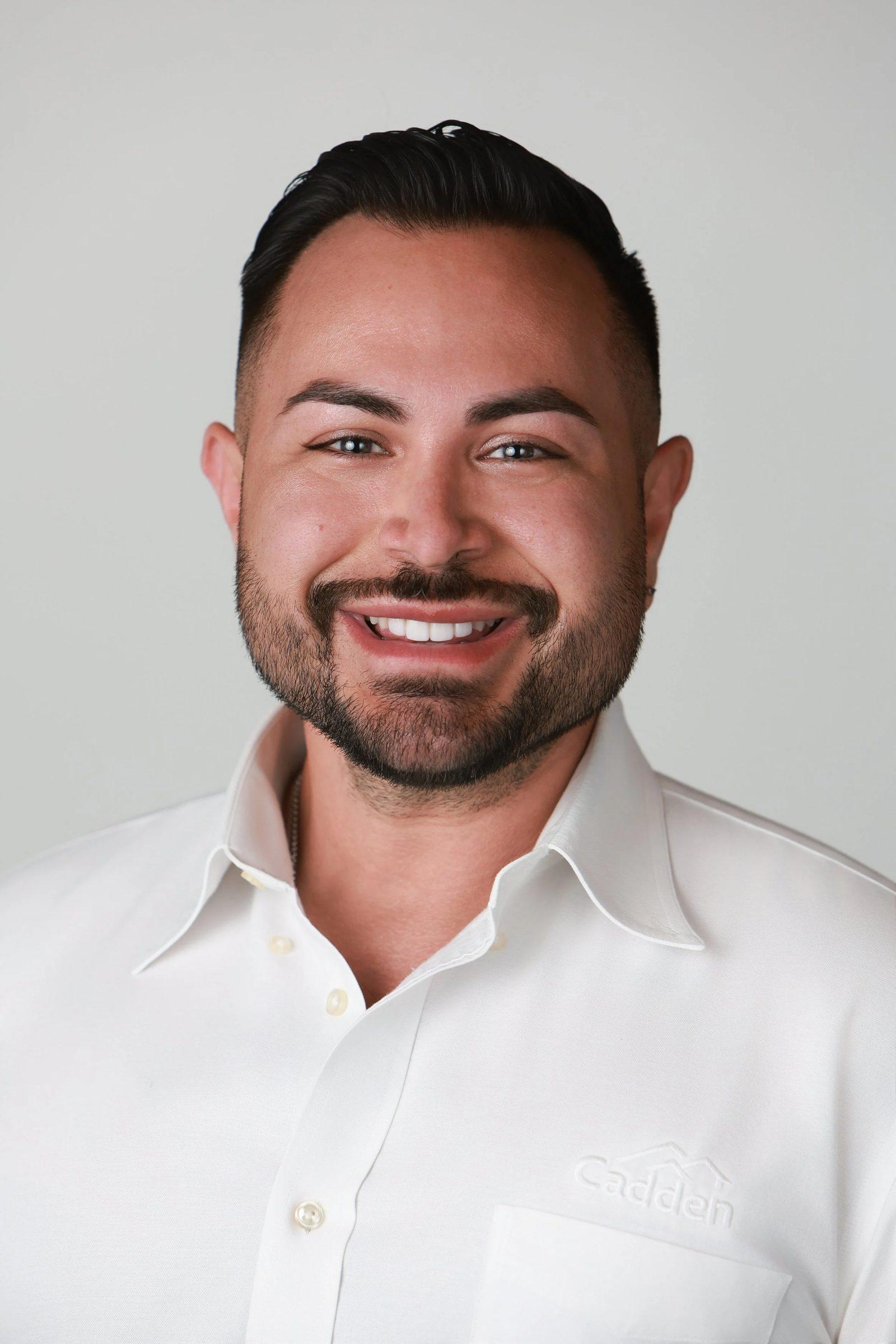
Every delivered portrait is professionally retouched with what we call the 10 / 10 / 10 Treatment: rested, refreshed and refined. We handle shine, blemishes, under-eye circles, fine lines, eyeglass glare, flyaways and uneven shadows while keeping natural skin texture.
For delivery, agree on these before the shoot:
- File sizes for print and for web, plus a square crop for LinkedIn and email signatures
- A file naming pattern, such as last name and first name, so HR can upload them without renaming
- Who receives the files: each person, a central marketing contact, or both
- The delivery date, written into the proposal
Keeping headshots consistent across offices and cities
The first session is the easy one. The hard one comes 18 months later, in a different city, for new hires who need to match the team page.
The fix is a written spec that travels with the project: backdrop color and distance, light positions and power, lens and camera height, crop, and retouching level. Big Wave Productions is headquartered in Orlando, works regularly in Tampa Bay and travels nationwide, and our core crew works with you shoot after shoot, so your Orlando office in March and your Dallas office in May get the same setup. We have also run headshots inside conferences for Resource Recycling and the Community Associations Institute, where the room is different at every event and the setup has to adapt to it.
Plan your headshot day
If you have a date, a room and a rough headcount, we can build the schedule from there. Start with our corporate headshots page, or see how headshots fit into conference and association work. Then book a free discovery call, call or text the office at 407.498.5980, or email brian@meetbigwave.com with a few phone photos of the room you have in mind.