The short answer
A conference headshot lounge is a mobile portrait studio inside your event where attendees get a professionally lit, retouched headshot. Give it a spot with foot traffic and power, mix sign-ups with walk-ups and deliver by email or QR code. Many organizers sell the headshot lounge as a sponsorship, and the sponsorship can often more than cover the cost of the photographer.
A conference headshot lounge needs a spot with steady foot traffic, a power source, room for a short line, and a clear plan for how people sign up and get their photos back. Big Wave Productions brings its mobile portrait studio to conferences across North America, and many organizers sell the lounge as a sponsorship.
Most of the work happens before the doors open: the spot on the floor plan, the power order, the sign-up page and the sponsor pitch.
Why conferences add a headshot lounge
Most professionals are overdue for a current headshot, and they need one for LinkedIn, speaker bios, company websites and award submissions. A lounge gives them one in minutes, which makes it an easy perk to promote before the event. It also pulls foot traffic to wherever you put it, and foot traffic is what sponsors pay for.
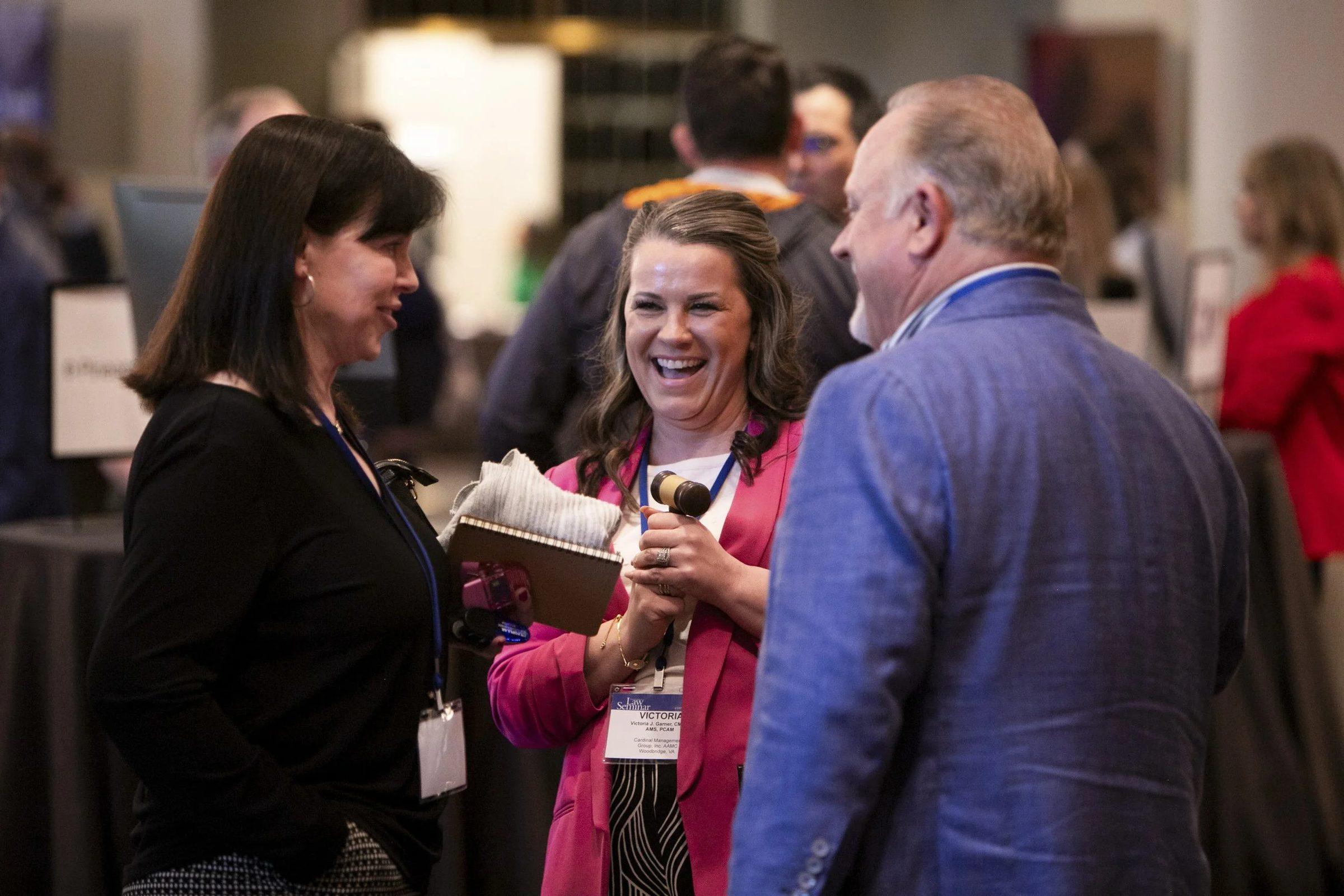
Community Associations Institute (CAI) has brought us to its events for eight years: five national events a year, plus the shoots in between. That work includes conference photography and a sponsored headshot lounge. We also photograph staff headshots on site at Resource Recycling's conferences. The same setup travels with the crew from city to city.
The footprint
The lounge is a compact version of a full studio. Our mobile setup uses the same studio-quality lighting, lenses and backdrops we bring to flagship productions, packed into a footprint that fits inside an event. Plan the space in zones:
- Check-in: a small table or standing kiosk where a host collects names and email addresses.
- Waiting area: a few chairs or a marked line, a mirror, and a place to set down a bag.
- Set: the backdrop, lights and camera. A portrait set needs depth more than width, because the photographer works from a few steps back for flattering proportions.
- Review: a screen where each guest picks a favorite before leaving.
- Branding: sponsor signage around the lounge, with the backdrop itself kept clean.
Ask your photographer for exact dimensions and ceiling height requirements, then check them against the venue floor plan before you assign the space.
Where to put it
Near registration or the expo hall entrance usually works best, because that is where people pass during breaks. Avoid:
- Spots next to large windows, where daylight shifts color and brightness through the day.
- Narrow corridors, where a line blocks an aisle.
- Far corners, where only people who already planned to come will find it.
Power
Lights, a tethered camera, a laptop and a review monitor all need power, so order it early. Many convention centers control electrical service. At the Orange County Convention Center in Orlando, for example, the venue is the exclusive provider of electricity for exhibitors, so power for a lounge is ordered through the venue rather than plugged into the nearest wall. Ask your venue or general service contractor how power is ordered, and tape down or cover every cable that crosses a walkway.
Traffic flow
Design the flow in one direction: check in, wait, sit, review, leave. A host at check-in keeps the line moving and answers questions, so the photographer can keep shooting. Post the hours on a sign at the lounge and in the event app, and close the line a few minutes before each block ends so the last person in line is not turned away mid-shot.
Sign-up or walk-up
| Model | Best for | Watch out for |
|---|---|---|
| Sign-up slots | Speakers, VIPs, staff, board members | No-shows that leave the station idle |
| Walk-up | Expo hall traffic and maximum sponsor visibility | Long lines at breaks, an empty station during sessions |
| Hybrid | Most conferences: reserved blocks plus open hours | Clear signage so walk-ups know when to come |
The hybrid model is usually the right call. Reserve the first block of the morning for speakers and staff, then open the lounge to walk-ups during breaks and expo hours, when attendees are free.
Throughput: run the numbers
Throughput depends on how long each person spends on the set, and most of that time is posing and reviewing, not shooting. Do the math with your own estimate:
- At 3 minutes per person, one station can photograph about 20 people an hour.
- At 5 minutes per person, about 12 an hour.
- Over a six-hour lounge day, that difference is roughly 120 people versus 72.
Demand is uneven. Lines form at breaks and disappear during keynotes, so set the lounge hours around the agenda and consider a second station if you expect a rush. Agree on a capacity target with your photographer during planning, and use it to decide how many sign-up slots to open.
Retouching: the 10 / 10 / 10 Treatment
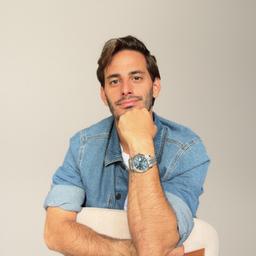
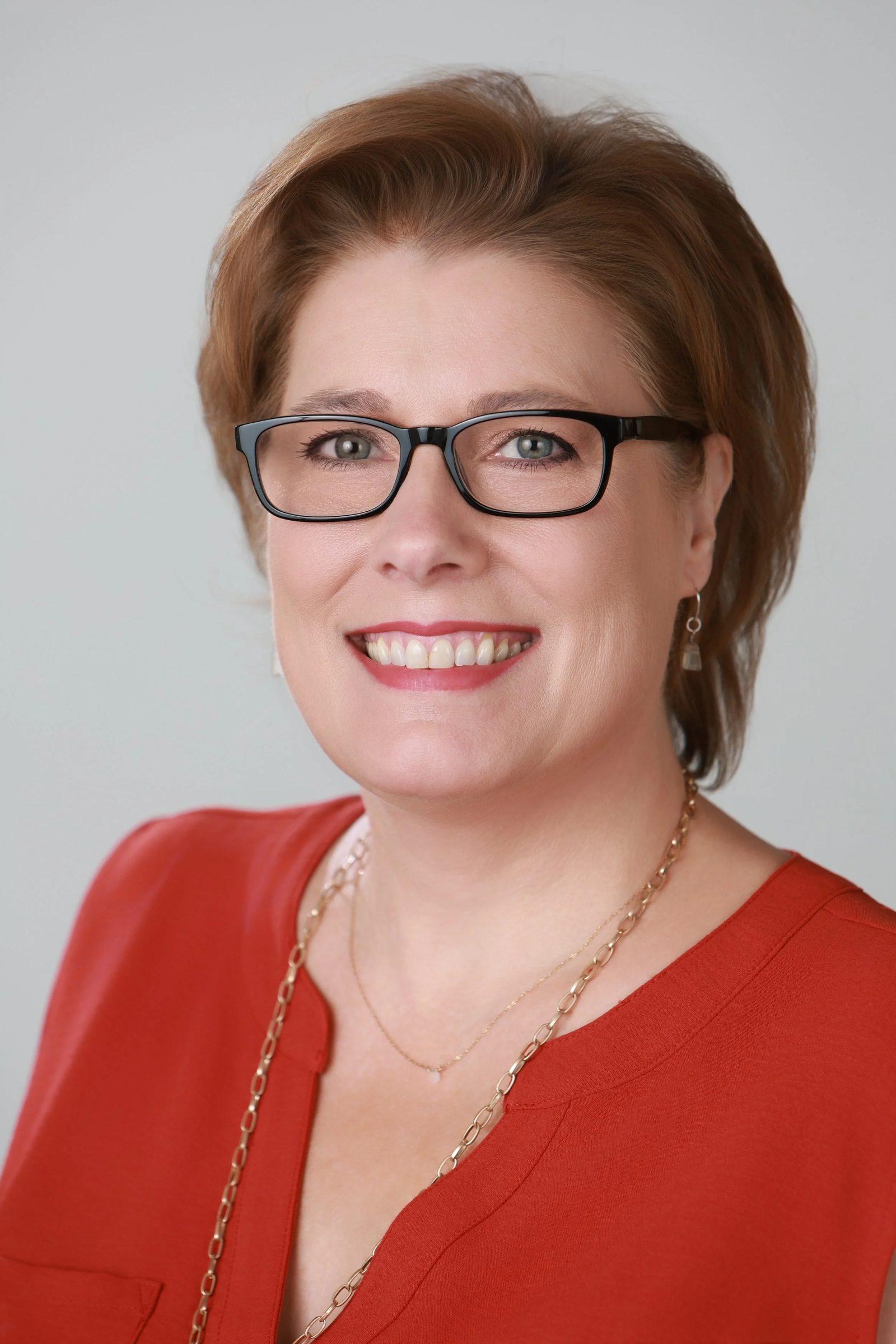
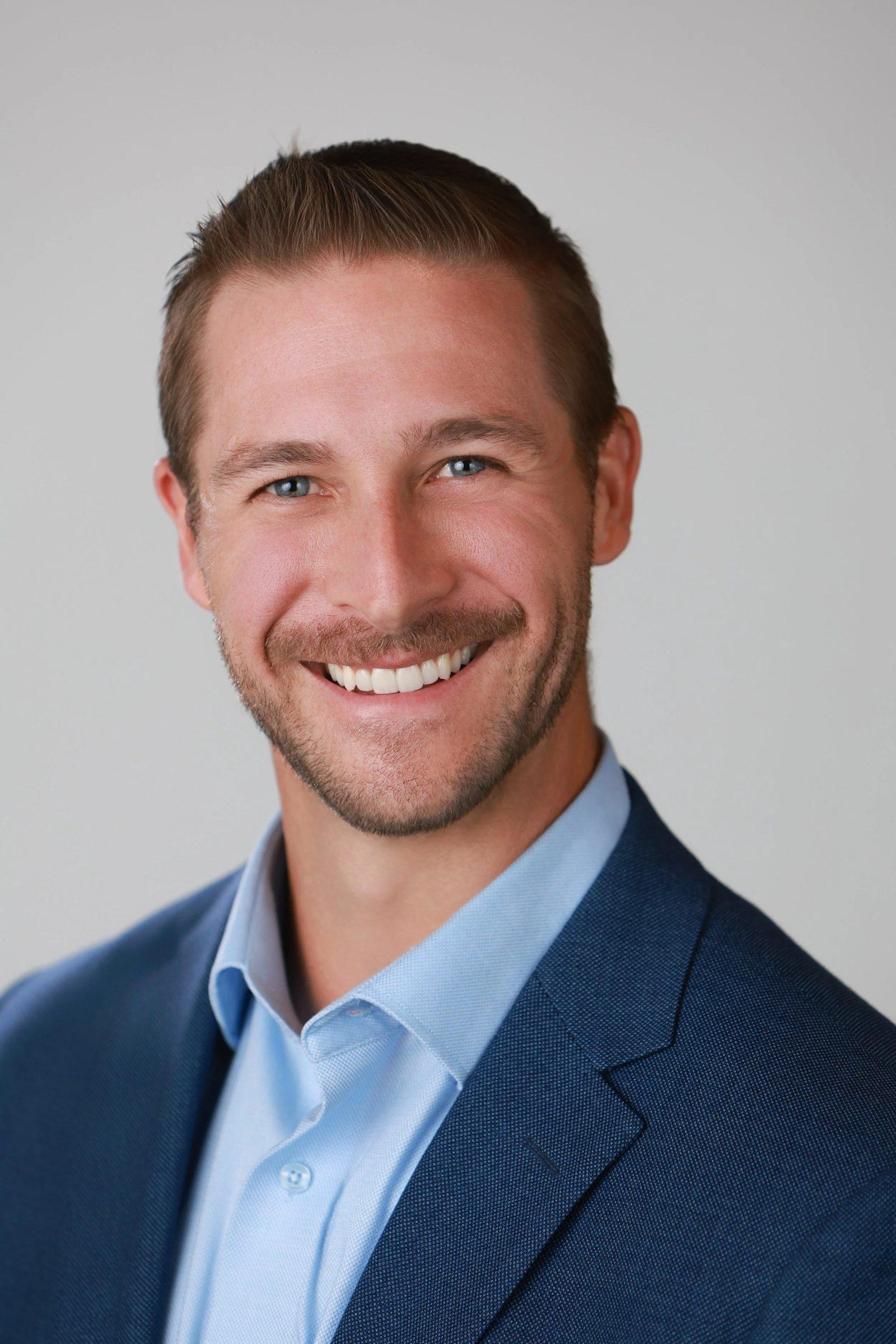
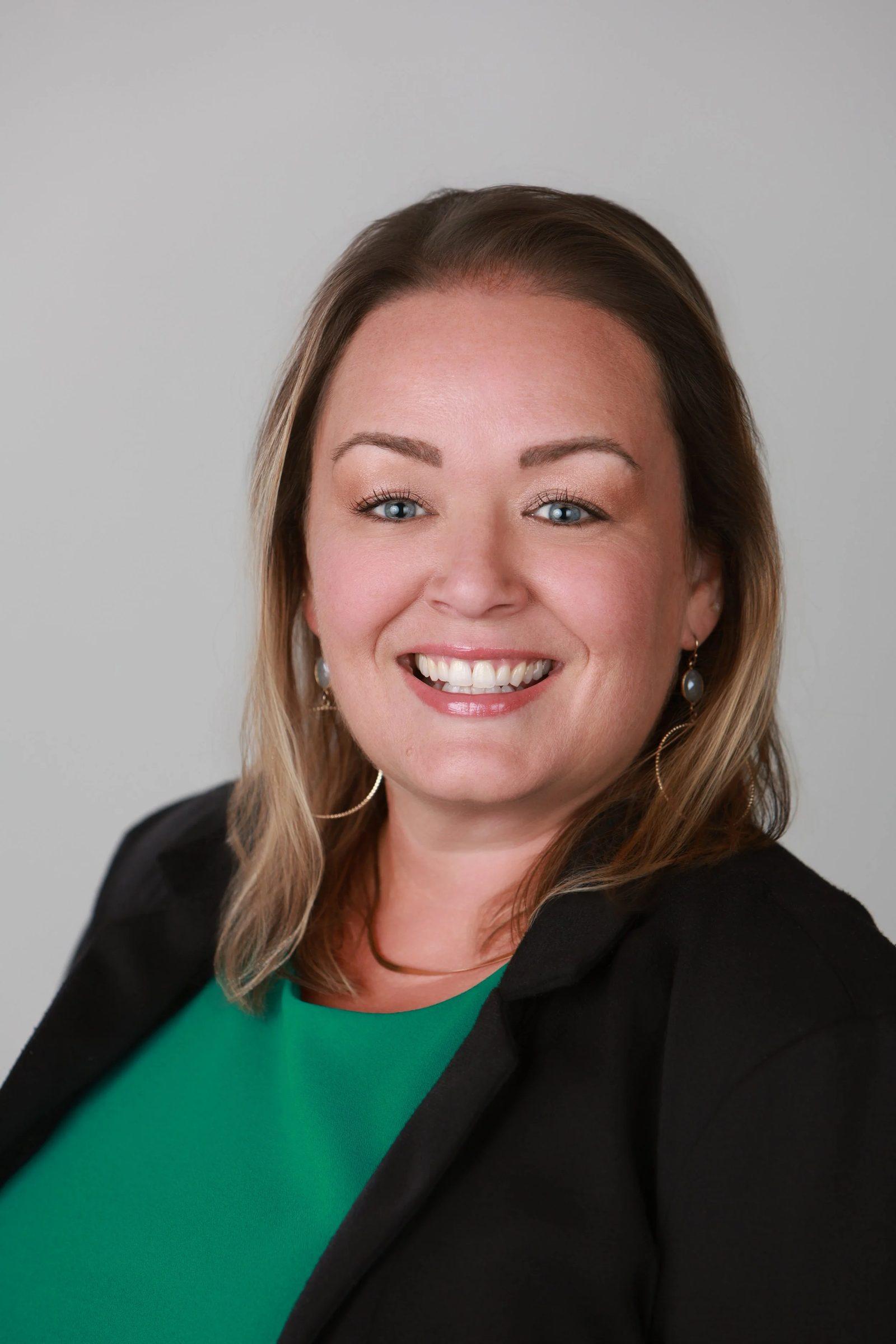
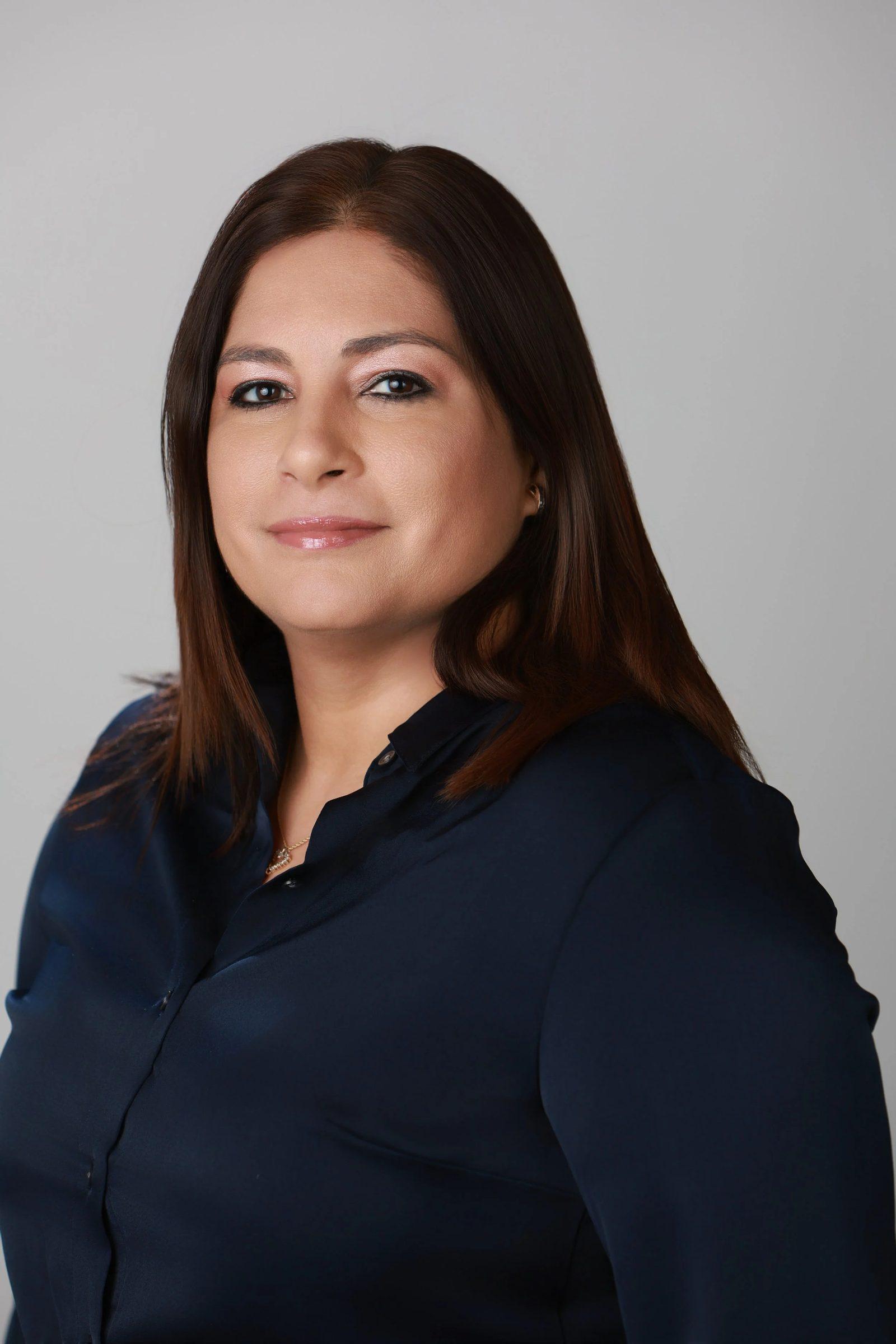
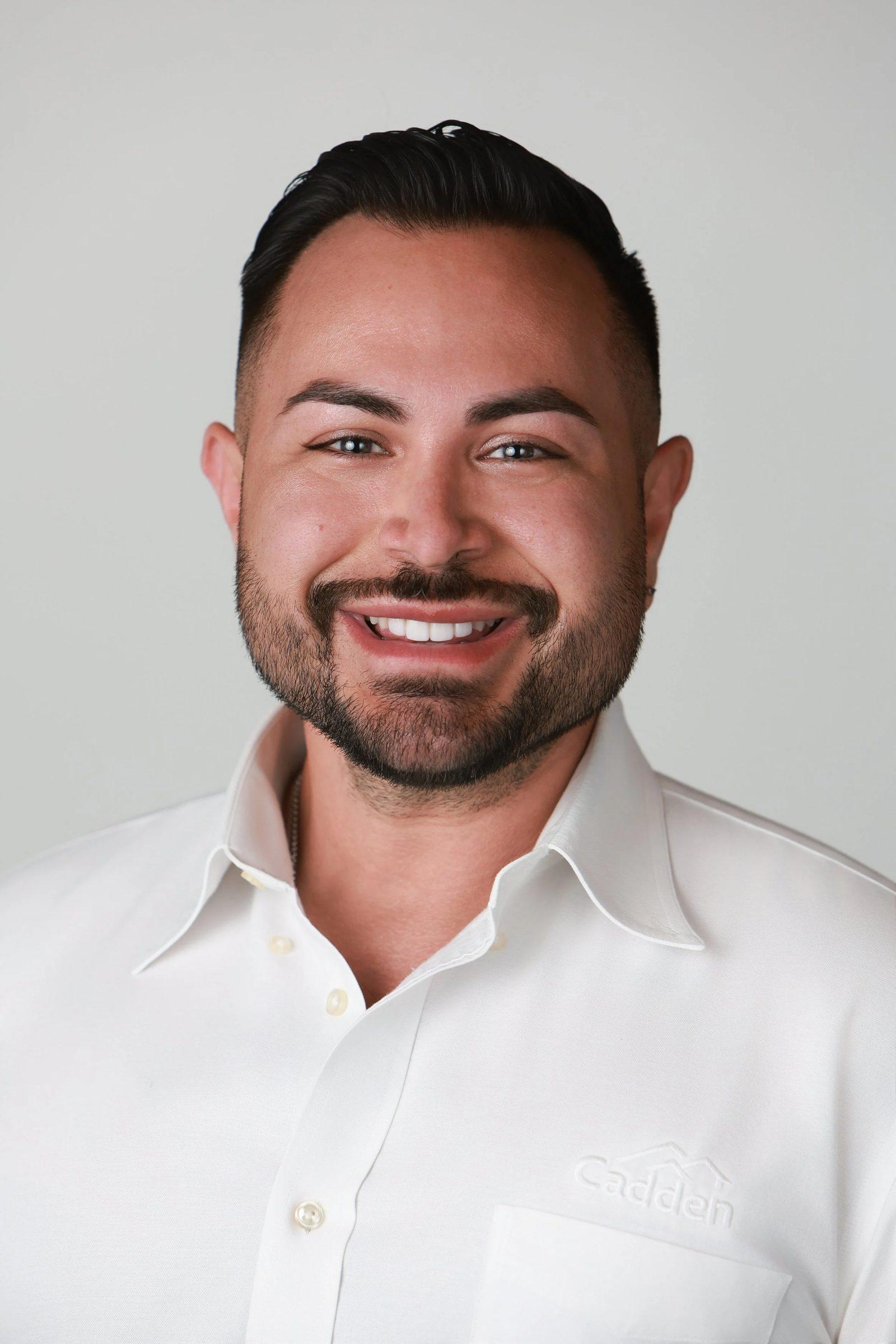
Every portrait we deliver is professionally retouched. We call it the 10 / 10 / 10 Treatment: guests look rested (like they finally got 10 hours of sleep), refreshed (as though time dialed back 10 years) and refined (as if 10 pounds of stress disappeared).
Retouching handles shine, blemishes, under-eye circles, fine lines, eyeglass glare, flyaways and uneven shadows while keeping natural texture, so people still look like themselves. That matters for the sponsor too. A portrait people actually use keeps the sponsor's name attached to a good memory.
Share our guide on what to wear for corporate headshots in the pre-event email so attendees show up ready, and print the delivery timing on the lounge sign so nobody has to ask the registration desk where their photo is.
Delivery by email or QR code
Two delivery paths work well at conferences:
- Email: the host collects each guest's email at check-in, and the retouched portrait arrives with a short message. The sponsor can be named in that message.
- QR code: a code on the lounge signage and in the event app sends people to a sign-up page before the event, or to a branded landing page afterward. Sponsors like it because it carries their branding everywhere it goes.
Whichever path you choose, tell people how their email address will be used. Keep any sponsor marketing opt-in separate from photo delivery, and check the wording with your counsel.
How to get the lounge sponsored
Many organizers sell the headshot lounge as a sponsorship. The sponsor's name goes on the booking page, attendees reserve free sessions between programs, and the sponsorship can often more than cover the cost of the photographer. The organizer adds a perk attendees will use, and the sponsor gets a booth people actually line up for. What you can put in the offer:
- Naming: "The [Sponsor] Headshot Lounge" in the agenda, the app and the signage.
- Presence: sponsor reps greet guests at check-in and talk with them while they wait.
- Brand in the delivery: the sponsor's name in the delivery email or on the landing page.
- Opt-in leads: attendees who choose to hear from the sponsor.
- Goodwill: attendees remember whose name was on the sign when they got a headshot they like.
Put the lounge in your sponsorship prospectus as its own line, with photos from a past lounge. Sell it early, before sponsors commit their budgets to other activations.
Promote it before the event
A lounge nobody knows about fills up on day three, when half the attendees have already gone home. Announce it early and repeat it often:
- Mention it in the registration confirmation email, with a link to reserve a slot.
- Add it to the event app and the printed agenda, with hours and location.
- Send an app notification at the start of each break.
- Put a sign at registration pointing the way, and ask emcees to mention it from the stage.
- Invite speakers to book a slot so their bio photos are current for next year.
Headshot lounge checklist
- Location confirmed on the floor plan, away from large windows
- Power ordered through the venue
- Hours set around breaks and expo times
- Sign-up page live, with reserved blocks for speakers and staff
- A host assigned to check-in
- Delivery method and timing printed on signage
- Sponsor branding approved
- Pre-event email sent with wardrobe tips
Add a headshot lounge to your next conference
The lounge works best when it is planned alongside the rest of your conference and association coverage, and when the sponsor offer goes out before budgets are spent. Our corporate headshots page covers the studio and the retouching, and the Resource Recycling case study shows staff headshots fitting into a full conference crew. If your sponsorship prospectus is due soon, book a discovery call with Brian or call or text the office at 407.498.5980, and we will help you write the lounge into it.