The short answer
Most companies need five kinds of business photography: matching team headshots, leadership portraits, people-at-work photos, office and facility images, and event coverage. Big Wave Productions, a national photo and video production company headquartered in Orlando, shoots all five on site for companies nationwide, retouches every headshot with its 10/10/10 Treatment and plans each image around where it will be used.
Most companies need the same short list of business photography: matching headshots for the whole team, a few stronger portraits of leaders, real photos of people doing the work, clean images of the office or facility, and coverage of the events where the company shows up in public. Plan them together and most of the list fits in one or two well-run shoot days. Big Wave Productions, a national photo and video production company headquartered in Orlando, shoots this kind of corporate photography on site for companies across the country.
I'm John Ruz, Big Wave's co-founder and creative director, with 10 years in photo and video production, and buildings and interiors are familiar ground for me. Here is how I scope a company's photo needs, and what to ask any corporate photographer before you book.
Business photography vs commercial photography
Business photography (most people search for it as corporate photography) shows the company itself: who works there, where the work happens and what the company does in public. Commercial photography sells something specific, like a product, a menu or a resort stay, and usually runs in advertising.
The line blurs, and plenty of shoots include both. If you are planning a product or campaign shoot, our guide to how a commercial brand shoot works covers that process. This article stays on the photos a company uses to introduce itself.
The business photos a company actually uses
Start from where photos already appear on your website, LinkedIn page and proposals, and where they are missing. For most companies the list looks like this:
| Photo type | Where it gets used | When to refresh |
|---|---|---|
| Team headshots | Team page, LinkedIn, email signatures, proposals, badges | When people join, or when the set stops matching |
| Leadership portraits | About page, press releases, speaker bios, annual report | When a leader changes roles or the brand changes |
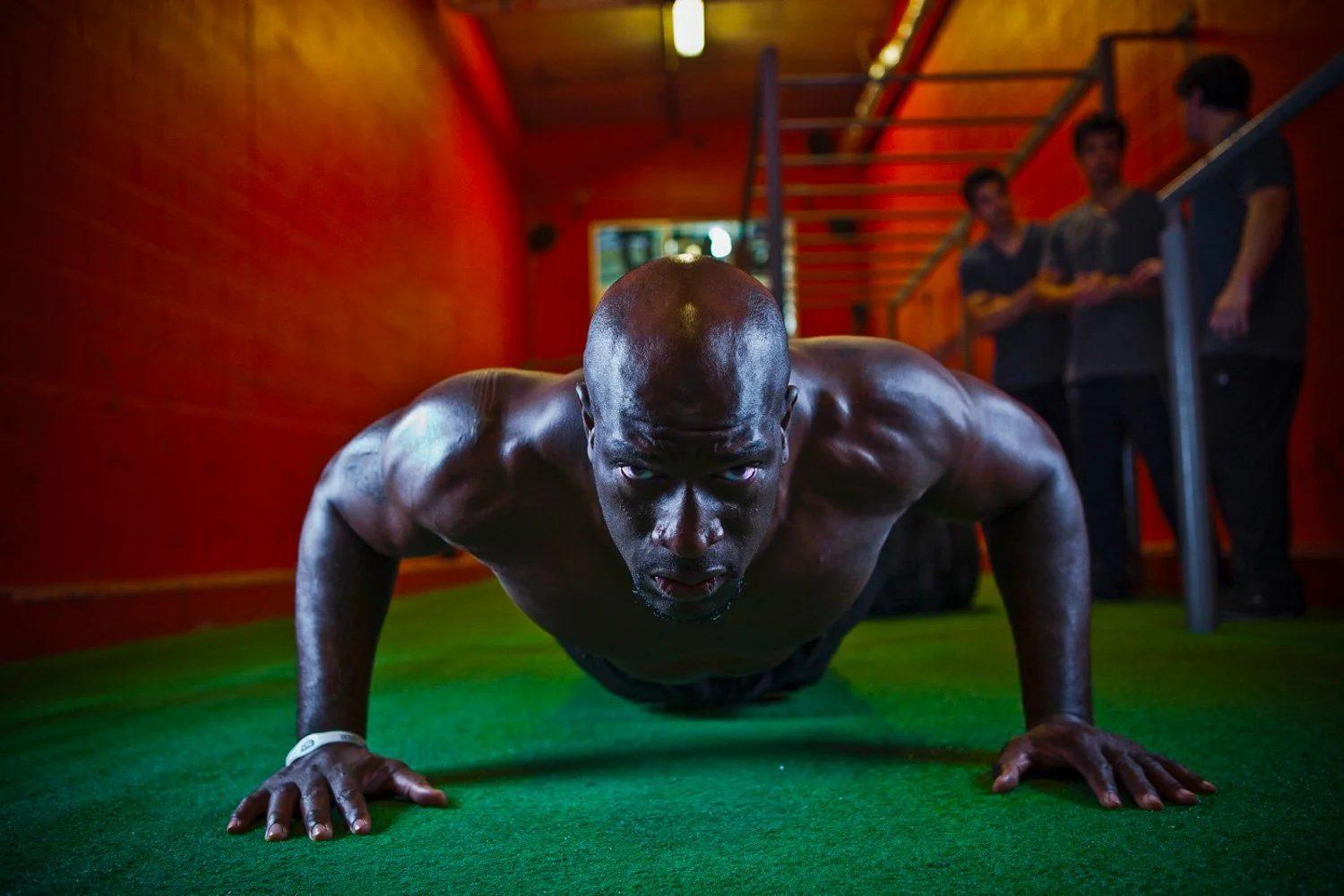
| People at work | Careers page, recruiting ads, social posts, sales decks | Every year or two, as teams and spaces change |
| Office, facility and locations | Website, Google Business Profile, proposals, recruiting | After a renovation, a move or a new location |
| Events and community | News, social, sponsorship reports, annual report | Every event worth mentioning |
If you fix only one row this year, fix the headshots. Mismatched team photos are the first thing visitors notice on a team page, and the easiest thing to solve.
Corporate headshots: one look for the whole team
The goal is consistency. Same light, same backdrop, same crop, so the team page reads as one company. That rarely happens when people book their own sessions at different studios over two years. The fix is bringing the studio to the office.
Big Wave's mobile headshot studio uses the same lighting, lenses and backdrops we use on larger productions, in a footprint that fits a conference room. Every delivered portrait gets what we call the 10/10/10 Treatment: retouching that leaves people looking rested and refreshed, with shine, glare, flyaways and uneven shadows handled while natural skin texture stays. For space, power and how many people per hour, see our guide to on-site corporate headshots. Send the team our what to wear note a week ahead.
One planning tip: lock the background and crop before the first session, and ask the photographer to document the lighting setup. When you hire three people next spring, their headshots should match the originals.
Leadership portraits that do more than a headshot
Executives need a headshot, but they also need a few environmental portraits: standing in the lobby, at a desk, walking the plant floor, talking with a colleague. These are the photos press, conference organizers and podcast hosts ask for, and they carry an about page better than a row of headshots.
Shoot them right after each leader's headshot, while the person is dressed and warmed up. Plan horizontal frames with open space on one side for a headline, plus a vertical version for speaker bios and social.
People at work: photos that don't look staged
Recruiting and culture photos fail when they look like stock, with four people pointing at a laptop and laughing. They work when the scene is real. Our approach is simple:
- Photograph actual tasks. A loan officer reviewing a file with a client, a technician on the line, a team at the whiteboard during a real planning session.
- Keep groups small. Two or three people in conversation read as genuine. Eight people around a table reads as a setup.
- Give people something to do, not a pose. We ask them to keep working and direct small adjustments, like turning toward the window light.
- Clear what shouldn't be seen. Screens with client data, whiteboards with numbers and anything confidential get cleared or angled out before we shoot.
- Ask first. Not everyone wants to appear in recruiting photos. Let people opt out without explaining why.
Office, facility and location photography
A building photo looks easy until you see one taken at noon with a dumpster in the frame. Exteriors look best when light falls on the front of the building, which depends on which way it faces, so we check orientation before setting a time. Interiors look best with every light on, blinds adjusted and years of desk clutter cleared away.
This is where my experience photographing buildings shows up. Architectural photography is mostly patience: vertical lines kept straight, windows balanced against the room, the same corner shot twice because someone moved a chair. For a company with several locations, we photograph each from matching angles so the website gallery looks like one brand.
If the building is new or the setting is the selling point, aerial photos help. Our guide to drone video for business explains when it's worth it. Drone flights are planned around FAA Part 107 rules and airspace authorization.
Event photos that show the company in public
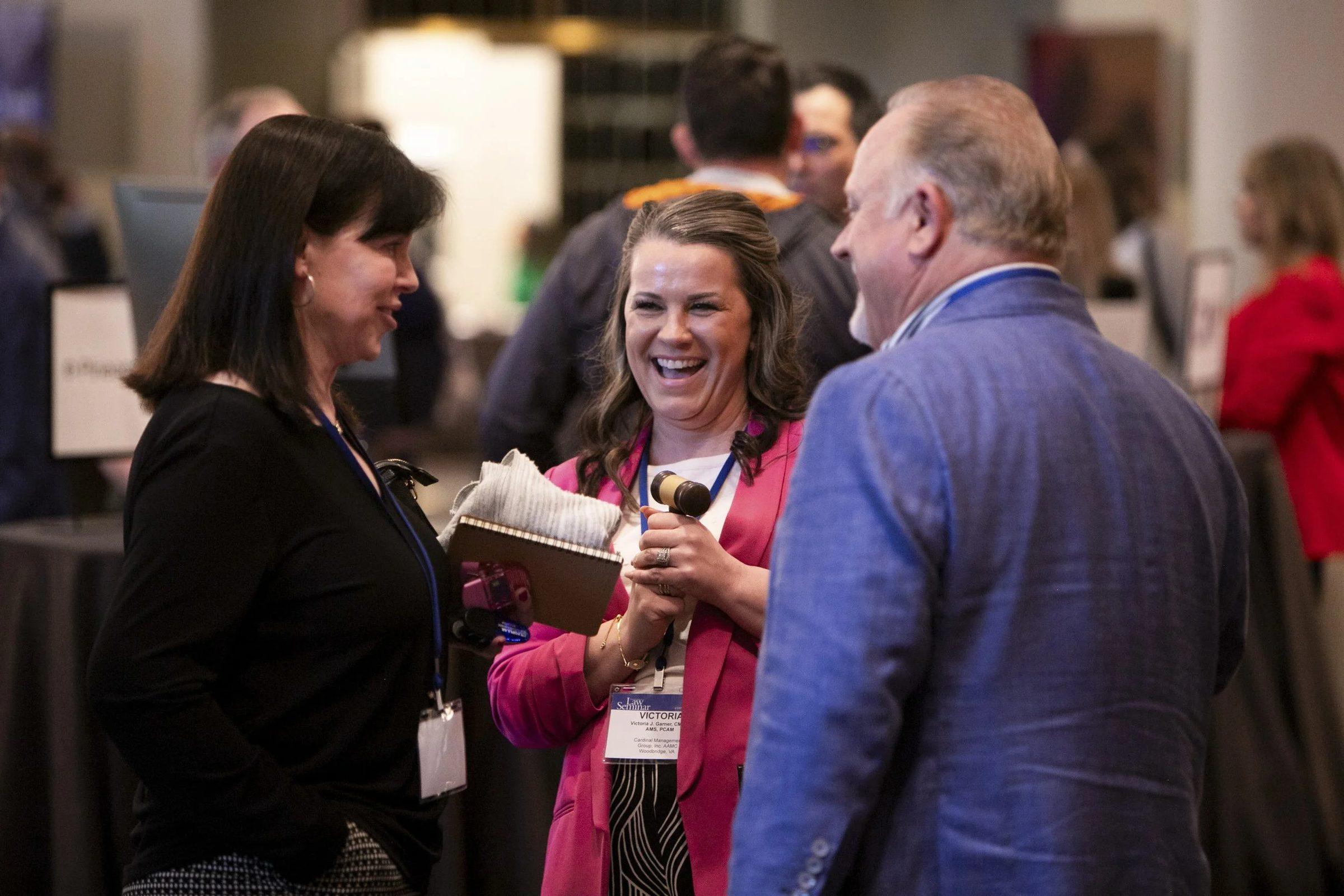
Holiday parties, award dinners, ribbon cuttings, volunteer days and conferences all produce photos the marketing team will want later. Event work follows different rules than a portrait day, because nobody can restage a keynote. At conferences, Big Wave delivers batches of edited photos the same day. At E-Scrap 2025 in Grapevine, Texas, one crew delivered 500+ edited event photos over three days while also filming. Our corporate event photography checklist covers planning those days.
How to get it done in one or two shoot days
Most companies don't need a photographer for a week. They need a well-planned day. Here is a sample order for a mid-size office:
- Early morning: exteriors, if the morning sun falls on the front of the building (otherwise move them to late afternoon).
- Mid-morning: headshots in the mobile studio, booked in short time slots by department.
- Late morning: leadership portraits, each one right after that leader's headshot.
- After lunch: people-at-work scenes, scheduled with team leads so real work is happening.
- Late afternoon: interiors, the lobby and detail shots once the floor quiets down.
Send the shot list a week ahead. Name one person on site who can open doors and pull people out of meetings, and tell the team which areas will be photographed so desks get cleared the night before.
Releases and usage for employee photos
Two questions come up on almost every corporate shoot: who owns the photos, and can you keep using an employee's photo after they leave.
On ownership, hiring an outside photographer does not automatically make your company the copyright owner. The U.S. Copyright Office's Circular 30 explains that commissioned work counts as a "work made for hire" only in specific categories and only with a signed written agreement. In practice, most companies don't need the copyright. They need a written license that covers every use they plan.
On people, get written consent from anyone identifiable in photos used for marketing, employees included. Some states write this into law. Florida, for example, restricts using a person's photograph or likeness for trade or advertising without consent (Florida Statutes section 540.08). Decide now what happens to recruiting photos when someone leaves, and put it in the release. This is not legal advice, so run the wording past your counsel or HR team.
Questions to ask a corporate photographer
- Can you shoot headshots, workplace scenes and the building in the same visit?
- How do you keep headshots consistent when we add people later?
- Is every delivered headshot retouched, and what does retouching include?
- How many edited photos should we expect, and on what date?
- What does the license cover, and does it allow paid ads and partner use?
- Can you film video on the same visit if we need recruiting clips?
That last question matters more every year. Big Wave is a photo and video company, so a recruiting video and the photos for the careers page can come from the same day with the same people and the same look.
Plan your company's photo day
Start with the table above and mark the rows you need. Then look at our corporate headshots and commercial photography pages, and book a free discovery call or call or text the office at 407.498.5980. Send your headcount and a few phone photos of the space, and we'll come back with a shoot plan and a quote.
Sources
- U.S. Copyright Office, Circular 30: Works Made for Hire
- The Florida Senate, Florida Statutes section 540.08