The short answer
A corporate event photography checklist covers four phases: book and scope the photographer early, send a brief with the run of show, VIPs and must-have shots, settle venue logistics like stage lighting and access, then manage handoffs and delivery. Big Wave Productions plans event coverage this way and delivers batches of edited photos the same day.
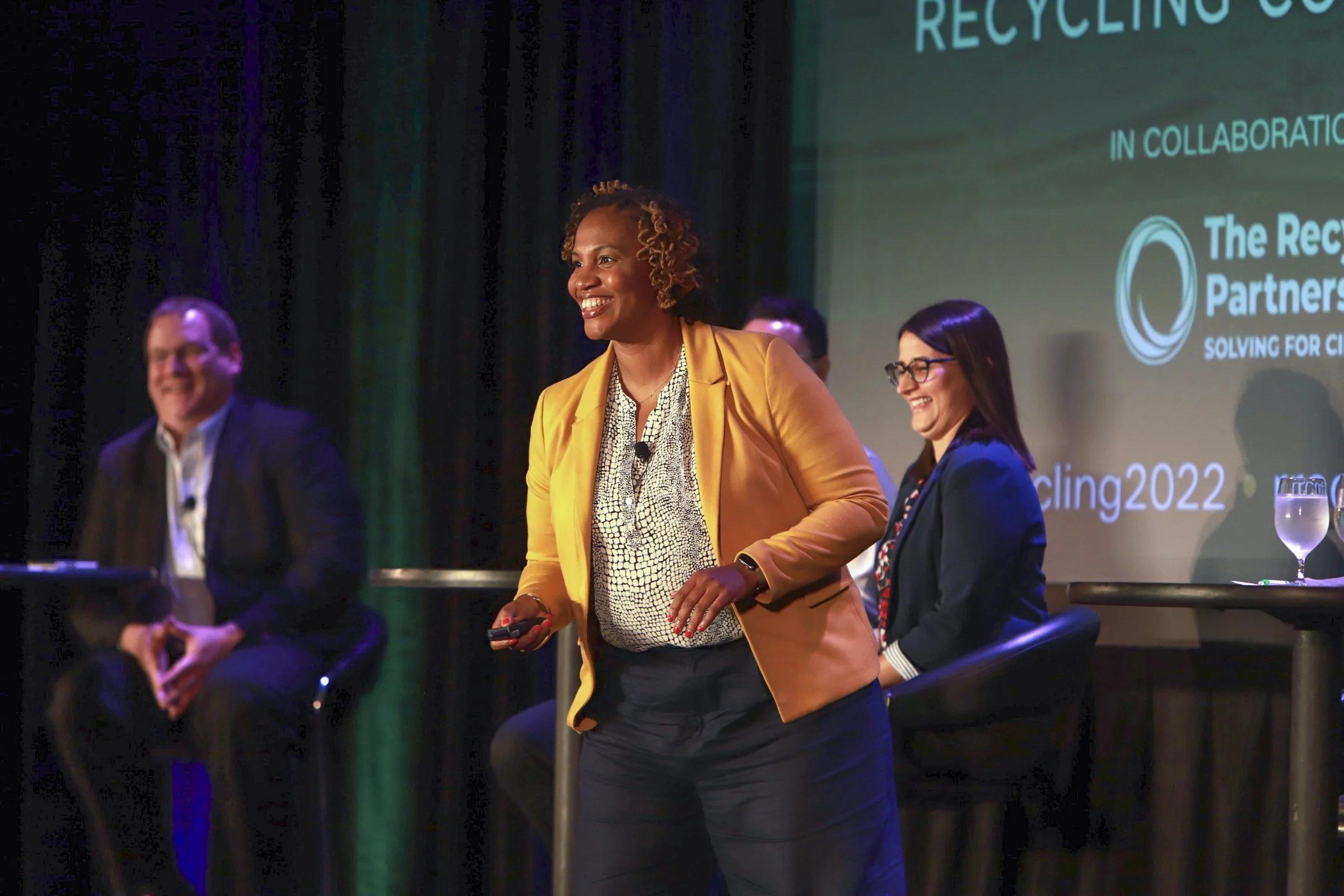
Good corporate event photography is mostly decided before the event: who you hired, what they know about the run of show, and whether the venue lets them do the job. This checklist covers what to settle eight weeks out, four weeks out, two weeks out, on the day and after. It reflects how Big Wave Productions plans coverage as an event photographer for conferences, association meetings and corporate events, including nine years photographing Resource Recycling's conferences.
Use it for a sales kickoff, an awards gala, a product launch, a holiday party, an executive offsite or a three-day conference. The timing scales, but the questions stay the same.
Know what kind of event you are photographing
Each corporate event has a different priority, and the brief should say which one you are running.
| Event | What matters most in the photos | Watch out for |
|---|---|---|
| Awards dinner or gala | Winners on stage, the handoff, table candids | Dark rooms and fast award sequences |
| Sales kickoff | Energy in the room, leaders on stage, team moments | Stage light built for video, not stills |
| Product launch | The reveal, the product in people's hands, press | One chance at the reveal |
| Holiday or employee party | Candids, groups, the venue | People who would rather not be photographed |
| Conference or association meeting | Keynotes, sessions, exhibit hall, sponsors | Several rooms running at once |
| Ribbon cutting or opening | The cut, officials, the building | A ten-second moment with a crowd of phones |
Eight weeks out: book and scope
- Confirm the date, venue, coverage hours and number of days.
- Decide on add-ons now: a headshot station, video, same-day photo delivery.
- Count the moments that happen at the same time. Two things at once means two photographers. Our guide to how many photographers a conference needs walks through the math.
- Write usage into the agreement: website, social, press, sponsors, paid ads.
- Get two dates in writing: when the first edited photos arrive, and when the full gallery lands.
- Share a budget range so the scope fits it.
For a multi-day conference, start this phase earlier. Venue rules, AV coordination and sponsor commitments take longer to sort out.
Four weeks out: send the photo brief
The brief is the most useful document you can hand an event photographer. Include:
- The run of show with times and room names, updated whenever it changes
- A VIP list with names, titles and a photo of each person
- Sponsors, their booth or table locations, and any photos you promised them
- Must-have shots, ranked
- Every group photo you need, with names in order
- Brand guidelines, plus anything off limits (closed sessions, confidential slides, certain guests)
- The name and mobile number of an on-site contact who can make decisions
The VIP photos matter more than planners expect. A photographer who can recognize your CEO and your top three sponsors from across a ballroom gets those shots without anyone pointing.
Two weeks out: venue and logistics
Venues cause most day-of surprises. Settle these ahead:
- Access. Load-in time, parking, the entrance the crew should use, and credentials for every area they need to reach.
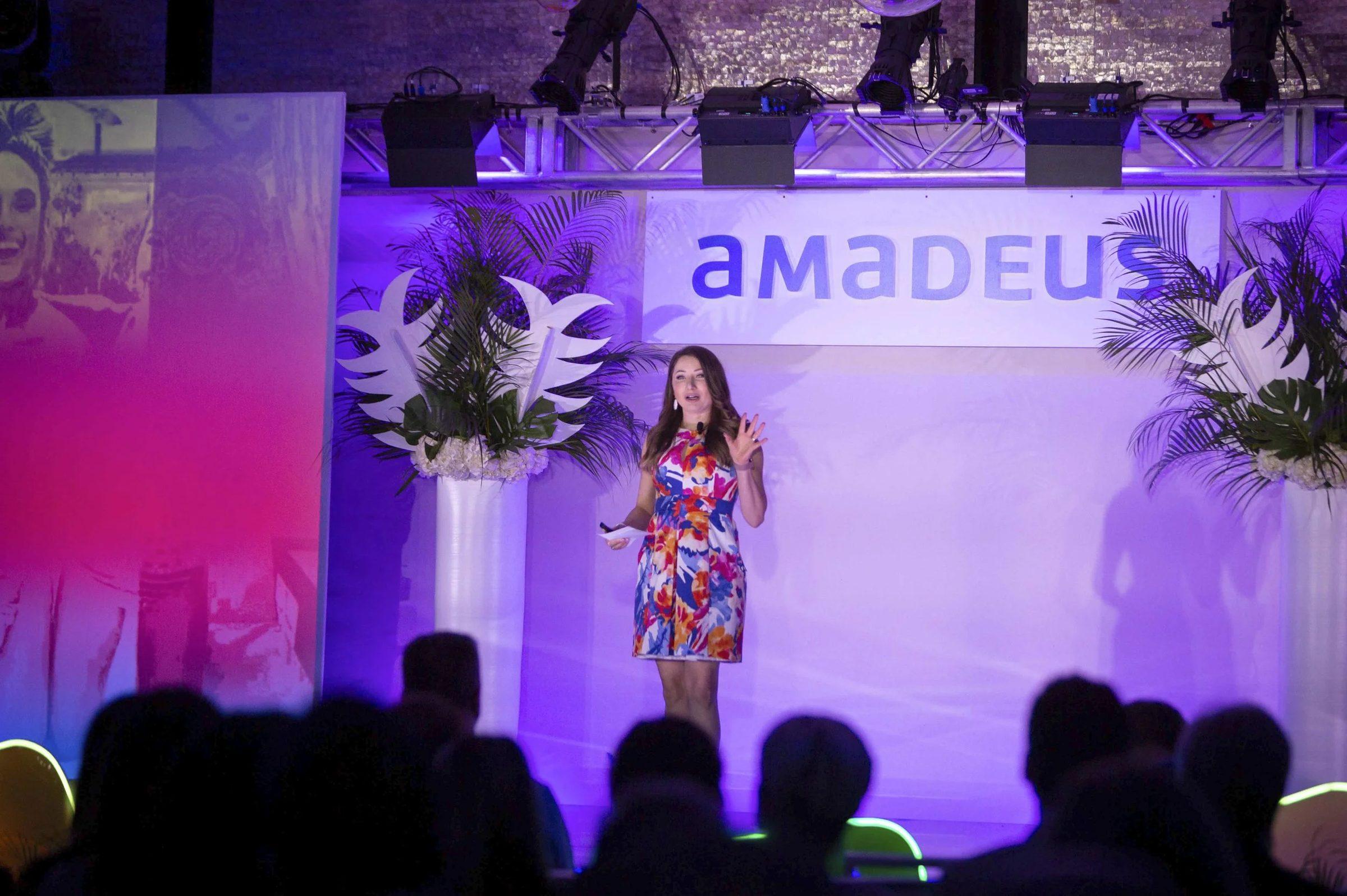
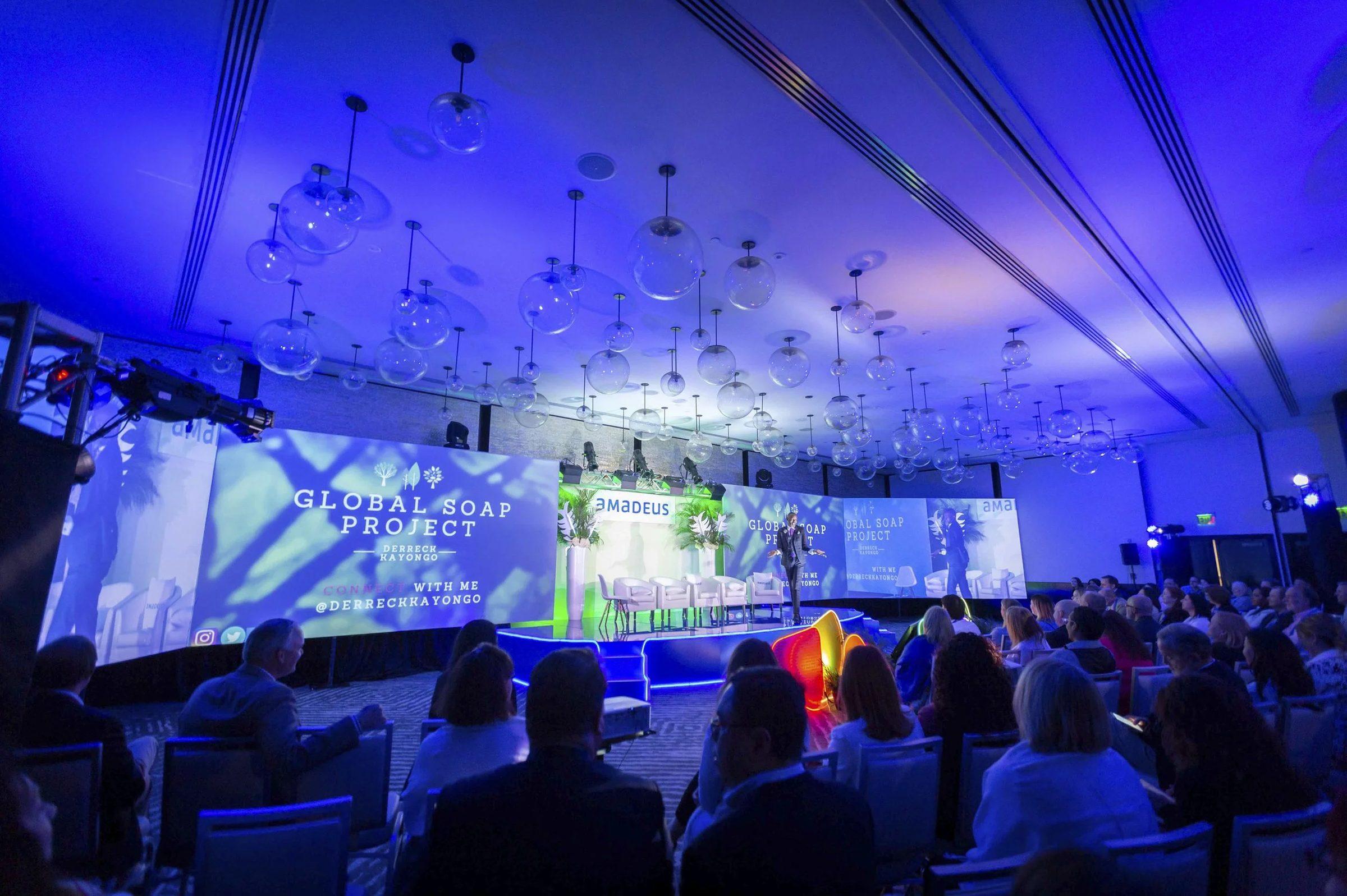
- Stage lighting. Ask your AV company how the stage will be lit. LED walls and dim ballrooms are hard on stills. A short conversation about keeping the speaker evenly lit can save the keynote photos.
- Positions. Where can the photographer stand during the keynote and the awards? Is there a riser at the back, and can they work the side aisles?
- Group photo spot. Choose it in advance, with a clean background and enough light. A step-and-repeat or branded wall works well.
- A place to work. A long day needs a quiet corner with power, where the photographer can edit same-day batches.
- Crew meals. Put the crew on the meal count, or plan a break time that doesn't land on a must-have moment.
- Photo-free zones. Some sessions and guests can't be photographed. Tell the crew and mark them on the schedule.
Tell attendees they will be photographed
Attendees should know before they walk in. A common approach is a line in the registration terms, signs at the entrances and an easy way to opt out, like a sticker or lanyard color the photographer can spot. For photos used in paid advertising, identifiable people may need individual releases. Your counsel should decide the wording. Our guide to event photography deliverables and usage covers the licensing side.
On the day: handoffs and timing
- Meet the photographer at the start for a short walk-through of the room and any schedule changes.
- Keep one point of contact all day. When the agenda shifts, tell the photographer first.
- Give a heads-up a few minutes before each must-have moment, like an award announcement or a surprise guest.
- Agree on the same-day batch: how many images, by what time and sent to whom.
Big Wave's same-day photo batches let your team post the morning keynote before lunch. That only works if someone on your side is ready to receive the link and post.
Group photos without the chaos
The formal shots are the ones that go wrong most often: the board photo, the winners' lineup, the sponsor thank-you. A system that works:
- Choose the spot and the order of people in advance.
- Put each group photo on the run of show with a time, not "after the session".
- Assign someone from your team to gather the group, because the photographer has to stay with the setup.
- Shoot the formal frame first, then one relaxed frame.
- Write down names left to right on the spot. Captioning from memory a week later is much harder.
After the event: delivery and follow-up
- Confirm the gallery date and folder structure (by day, session, sponsor and group).
- Send sponsors their photos while the event is still fresh.
- Caption key images with names and titles before they go to press.
- Pull favorites for next year's marketing, and store the full gallery somewhere a named person owns.
- Note what was missing, so next year's brief is better.
The checklist on one page
| When | Settle |
|---|---|
| 8 weeks out | Scope, coverage hours, add-ons, usage, delivery dates, budget |
| 4 weeks out | Brief: run of show, VIPs, sponsors, must-haves, group list, contact |
| 2 weeks out | Access, stage lighting, positions, group spot, workspace, meals, photo-free zones |
| Event day | Walk-through, one contact, heads-ups, same-day batch handoff |
| After | Gallery date, sponsor sends, captions, archive, notes for next year |
What experience looks like for an event photographer
Ask any photographer you are considering for a full gallery from a complete event, not a highlight set. Our own record: nine years and 25+ conferences for Resource Recycling across six host cities, plus eight years as event photo and video partner to the Community Associations Institute, covering five national CAI events a year. At E-Scrap 2025 in Grapevine, Texas, one Big Wave crew delivered 500+ edited photos over three days while also filming sessions and interviews.
Book your event photographer
Start with the checklist and your run of show. See how our event photography works, and add a headshot station if your attendees would use one. Then book a free discovery call or call or text 407.498.5980, and we'll turn your agenda into a shot list and a schedule.