The short answer
Expect a few hundred edited photos per full day from one event photographer, scaled by hours of coverage and how much is happening. Big Wave Productions delivers batches of edited conference photos the same day, then the full gallery afterward. At E-Scrap 2025, one Big Wave crew delivered 500+ edited event photos over three days.
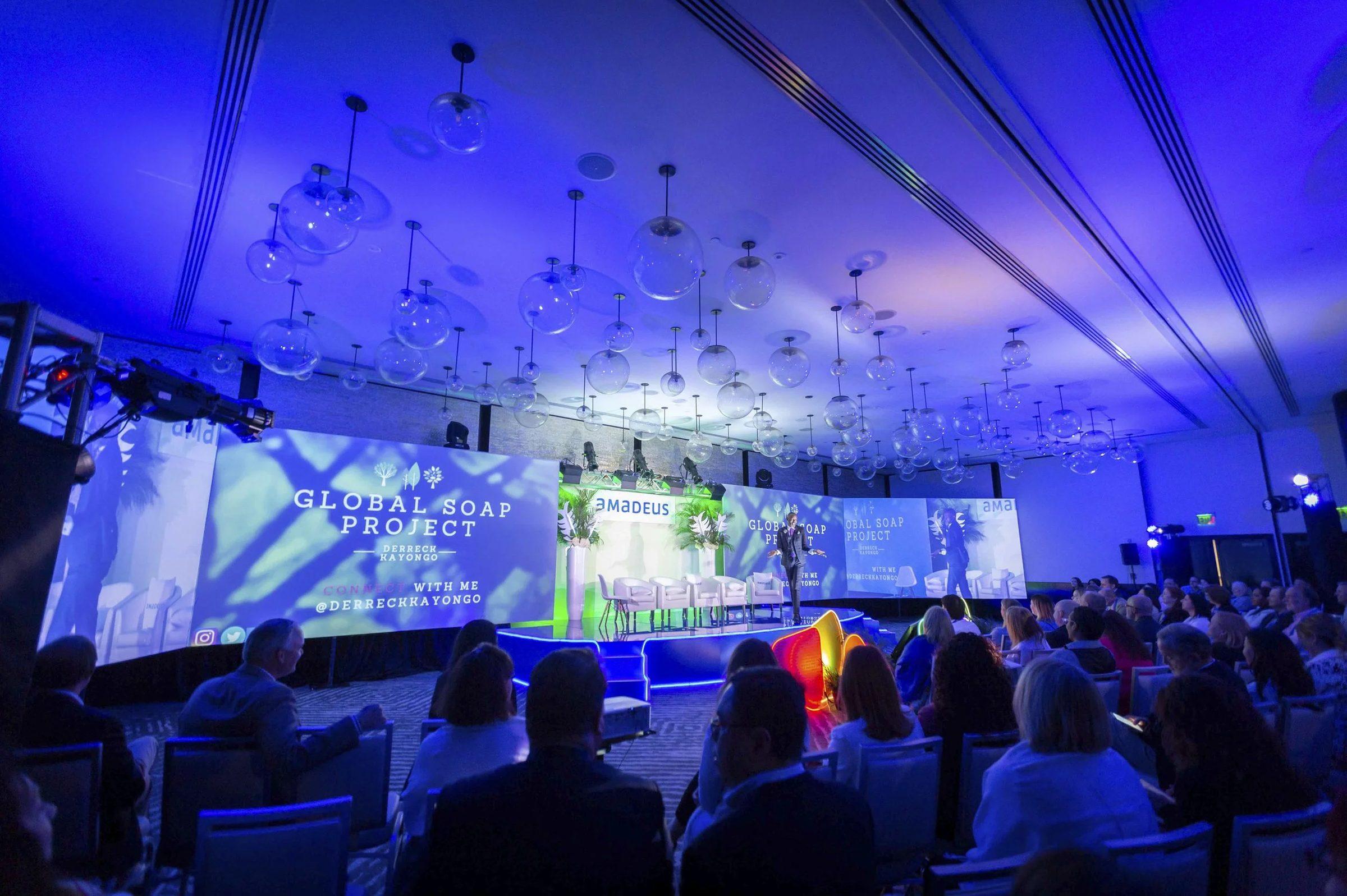
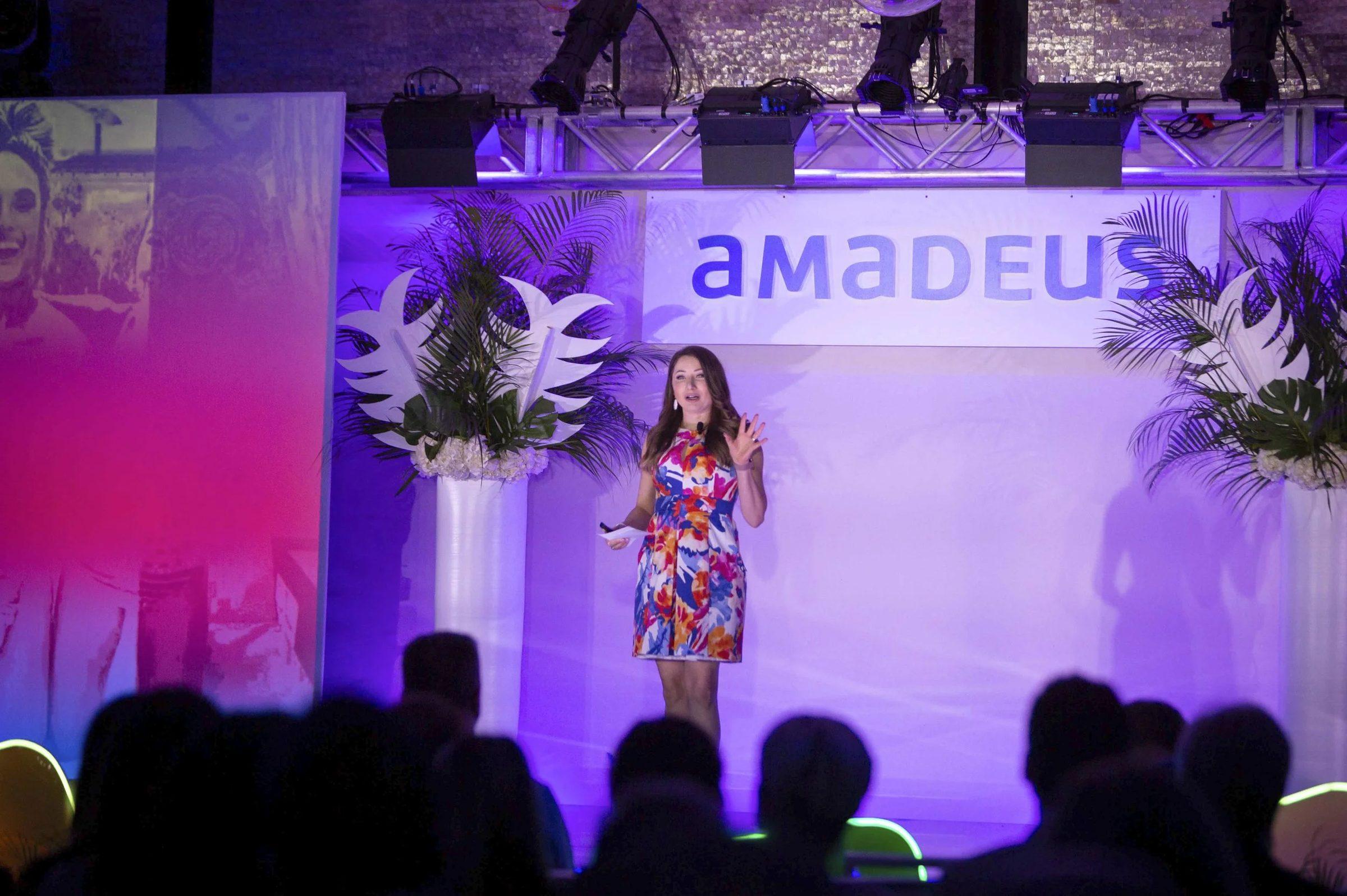
Expect a few hundred edited photos per full day from one event photographer, more or fewer depending on hours of coverage and how much is happening in the room. Big Wave Productions delivers batches of edited conference photos the same day, so your team can post while people are still talking about the event, then delivers the full organized gallery afterward. At E-Scrap 2025 in Grapevine, Texas, one Big Wave crew delivered 500+ edited event photos over three days, alongside a full slate of video.
That crew was also filming, which matters when you compare photo counts. More on that below, along with delivery timing and how you are allowed to use the images.
How many photos should you expect from event photography?
There is no universal number, because a three-hour reception and a three-day conference are different jobs. These are rough planning ranges for one photographer delivering edited images, not promises or quotas:
| Event | Typical coverage | Rough range of edited photos |
|---|---|---|
| Evening reception or awards dinner | 2 to 4 hours | 100 to 250 |
| Half-day meeting or workshop | About 4 hours | 150 to 300 |
| Full conference day | 8 to 10 hours | 300 to 500 |
| Multi-day conference | 2 to 4 days | Several hundred to well over 1,000 |
What pushes the number up or down:
- How many things happen at once. Concurrent breakout sessions, an expo hall and a keynote all running in parallel produce more distinct moments than one ballroom all day.
- Sponsor commitments. If you promised every sponsor a booth photo and a branded moment, that list sets a floor.
- Headshots. If the photographer also runs a headshot station, those hours are not spent on event coverage. Plan accordingly, or add a second photographer.
- Shared duty with video. At E-Scrap 2025 the same Big Wave crew that delivered 500+ photos was also filming sessions, running greenroom interviews, cutting same-day recaps and photographing staff headshots. That count reflects a crew covering everything at once. A photographer dedicated only to stills would produce more per day.
More photos is not always better. A tight gallery that covers every sponsor, every speaker and the feel of the room is more useful than 2,000 near-duplicates nobody will scroll through. Our guide to how many photographers you need for a conference helps you decide when one is enough.
Same-day photo batches: how they work
Same-day photos are a small batch of edited selects delivered while the event is still running. At conferences, Big Wave delivers batches of edited photos the same day, and we can pair them with same-day recap videos when your social team wants both.
The rhythm usually looks like this:
- Morning coverage. Opening session, keynote, registration energy, the expo hall filling up.
- Midday cull and edit. During a break or a lull, we pull the strongest frames, correct color and export them for social.
- First batch delivered. A shared folder link goes to your marketing or communications lead.
- Afternoon and evening. The same cycle for breakouts, awards and receptions, with a second batch when it matters.
A same-day batch is a short, focused set of the images your team needs right now: the keynote speaker mid-gesture, a packed room, a sponsor handshake, the awards moment. The rest of the day's coverage comes later with the full gallery. Tell us before the event which moments need to be in the first batch, and who should receive the link.
When does the full gallery arrive?
The full gallery arrives after the event, on a date agreed in writing before the shoot. Timing depends on volume. One evening reception is a short edit. A four-day conference with several thousand frames takes longer to cull, color-correct and organize properly.
Ask any event photographer for two dates: when the same-day or next-morning selects arrive, and when the complete gallery lands. If those dates are not in the proposal, they are not commitments.
How the gallery should be organized for sponsors and press
A gallery is only useful if people can find what they need in under a minute. For conferences, organize the gallery around how you will actually use the photos:
- By day, then by session or segment within each day
- Keynotes and general sessions, with speaker names in the folder name
- Sponsors, one folder per sponsor, so you can send each sponsor a single link
- Expo hall and networking
- Awards and receptions
- Press selects, a small folder of the strongest images sized for media use
- Headshots, kept separate from event coverage
Before the event, send a short brief: the agenda, the sponsor list with booth numbers and sponsorship levels, VIPs and speakers to prioritize, and any moments a sponsor was promised. That list drives both the shot list and the folder structure. Our conference video shot list works for photography planning too.
How you can use event photos: rights and licensing
Rights are easy to skip during planning and awkward to sort out after a sponsor has already posted your photos. Under U.S. copyright law, the creator of a photograph is generally its author and copyright owner. The main exception is a "work made for hire," which the U.S. Copyright Office explains in Circular 30: work created by an employee as part of their regular duties, or certain kinds of specially commissioned work covered by a signed written agreement. The commissioned-work categories are narrow (a contribution to a collective work, part of an audiovisual work, a compilation and a handful of others) and require a signed agreement, so hiring an outside photographer does not automatically make you the copyright owner.
In practice, organizers do not need to own the copyright. They need a clear license that covers every way they plan to use the images. Questions to settle in writing before the event:
- Can you use the photos on your website, social channels, email and printed materials?
- Can you use them in paid advertising?
- Can you share them with sponsors, exhibitors and speakers, and can those partners post them?
- Can press and trade publications use them, and with what credit line?
- Is the license time-limited, or does it run indefinitely?
- Who needs releases from identifiable attendees for advertising use?
We are not lawyers, and this is not legal advice. Talk to your counsel about releases and advertising use, especially for identifiable attendees in paid campaigns. Our longer guide on usage rights and music licensing goes deeper on ownership questions for both photo and video.
What to put in your event photography brief
A one-page brief saves a lot of back and forth. Include:
- The agenda with room names and times
- Must-have moments, ranked
- Sponsor list with deliverables promised to each sponsor
- Speakers and VIPs, ideally with photos so the photographer can recognize them
- Same-day needs: how many images, by when, and who receives them
- Full gallery date and folder structure
- Usage: where the photos will appear, and who else may use them
Set the photo plan before the event
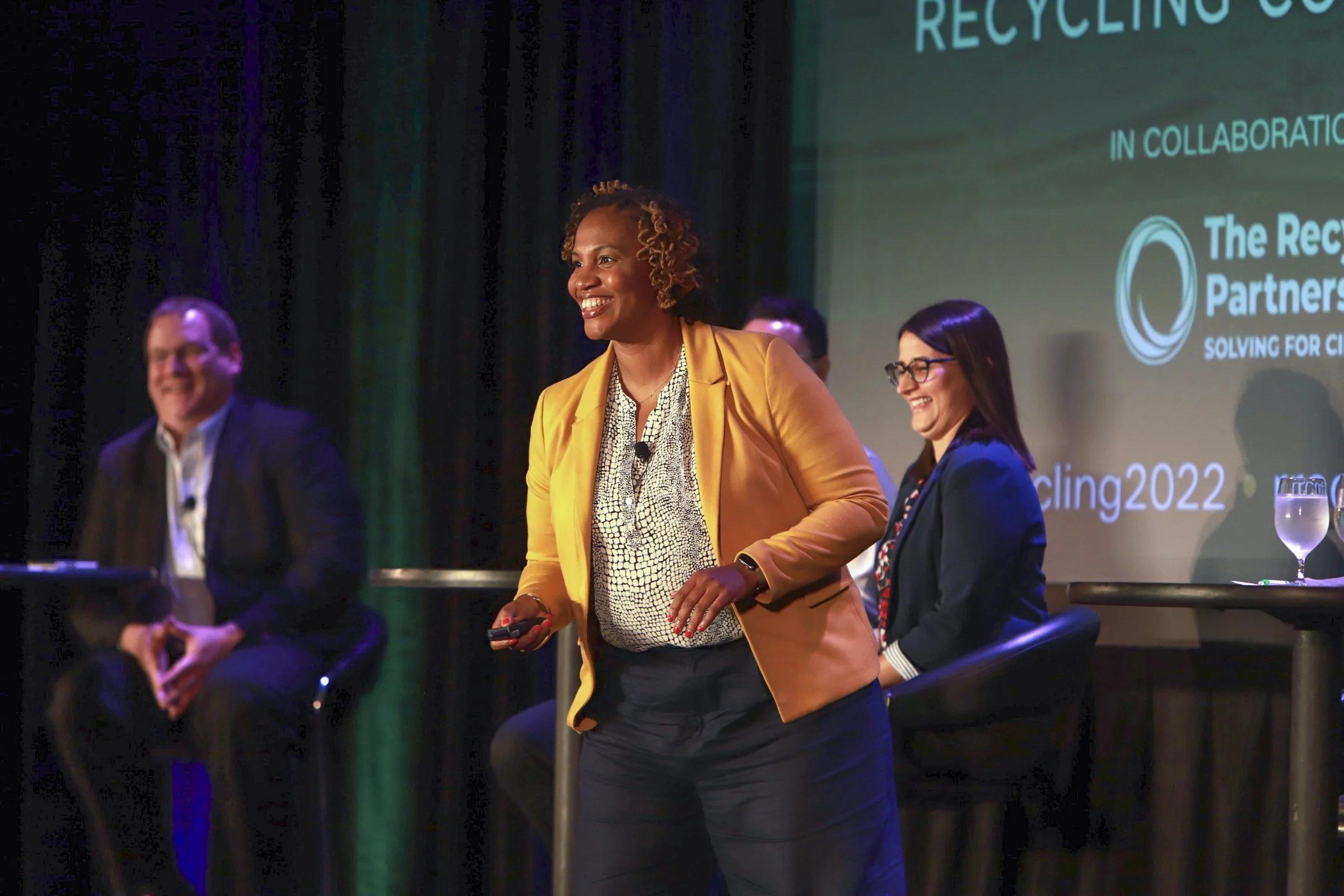
We have photographed and filmed 25+ conferences over nine years for Resource Recycling, in six host cities, and the questions above are the ones worth answering before any of them. See how our event photography works, then book a free discovery call or call or text the office at 407.498.5980. Bring your agenda and sponsor list, and we will help you set photo counts, delivery times and usage terms before anyone picks up a camera.
Sources
- U.S. Copyright Office, Circular 30: Works Made for Hire