The short answer
Film for three audiences: people deciding whether to register next year, sponsors and exhibitors who need proof of value, and members who could not attend. Cover full keynotes and chosen sessions, a busy expo hall with readable logos, candid networking, receptions and offsites, plus short interviews. Organize the list by day and by room before the crew arrives.
The best conference shot list is organized around who will watch the footage, not around the agenda. When Big Wave Productions plans conference coverage, we write it for three audiences: people deciding whether to register next year, sponsors and exhibitors who need proof their money worked, and members who could not attend. The list below breaks that down by audience, by location and by day, with an interview list at the end.
We have refined this structure over nine years as Resource Recycling's conference photographer and videographer, across 25+ conferences. Copy it, cut what does not apply to your event, and hand it to your crew.
Start with the three audiences
Every shot on the list should serve at least one of these groups. If it serves none, cut it.
| Audience | What they need to see | Shots that deliver it | Where it ends up |
|---|---|---|---|
| Next year's registrants | A full room, real energy, people worth meeting | Wide shots of packed sessions, applause, networking, the host city | Promo film, registration emails, social |
| Sponsors and exhibitors | Their brand in front of the right people | Readable logos, booth traffic, demos, stage mentions | Sponsor recaps, next year's prospectus |
| Members who could not attend | The actual content | Full keynotes and chosen sessions with clean audio and slides | On-demand library, member portal |
A promo editor needs moments and a sponsor manager needs readable logos, while an education director needs complete sessions with usable audio. Those are different jobs for the camera, and the shot list is where you assign them.
The shot list by location
Registration and arrival
- Exterior of the venue and establishing shots of the host city. Aerials are possible where the airspace allows, and drone flights are planned around FAA Part 107 rules and airspace authorization.
- The registration desk at its busiest: badge pickup, lanyards, first handshakes.
- Conference signage and branded spaces, photographed empty before doors open and again when full.
- Staff and volunteers at work. They are the people sponsors and members deal with all year.
Keynotes and general sessions
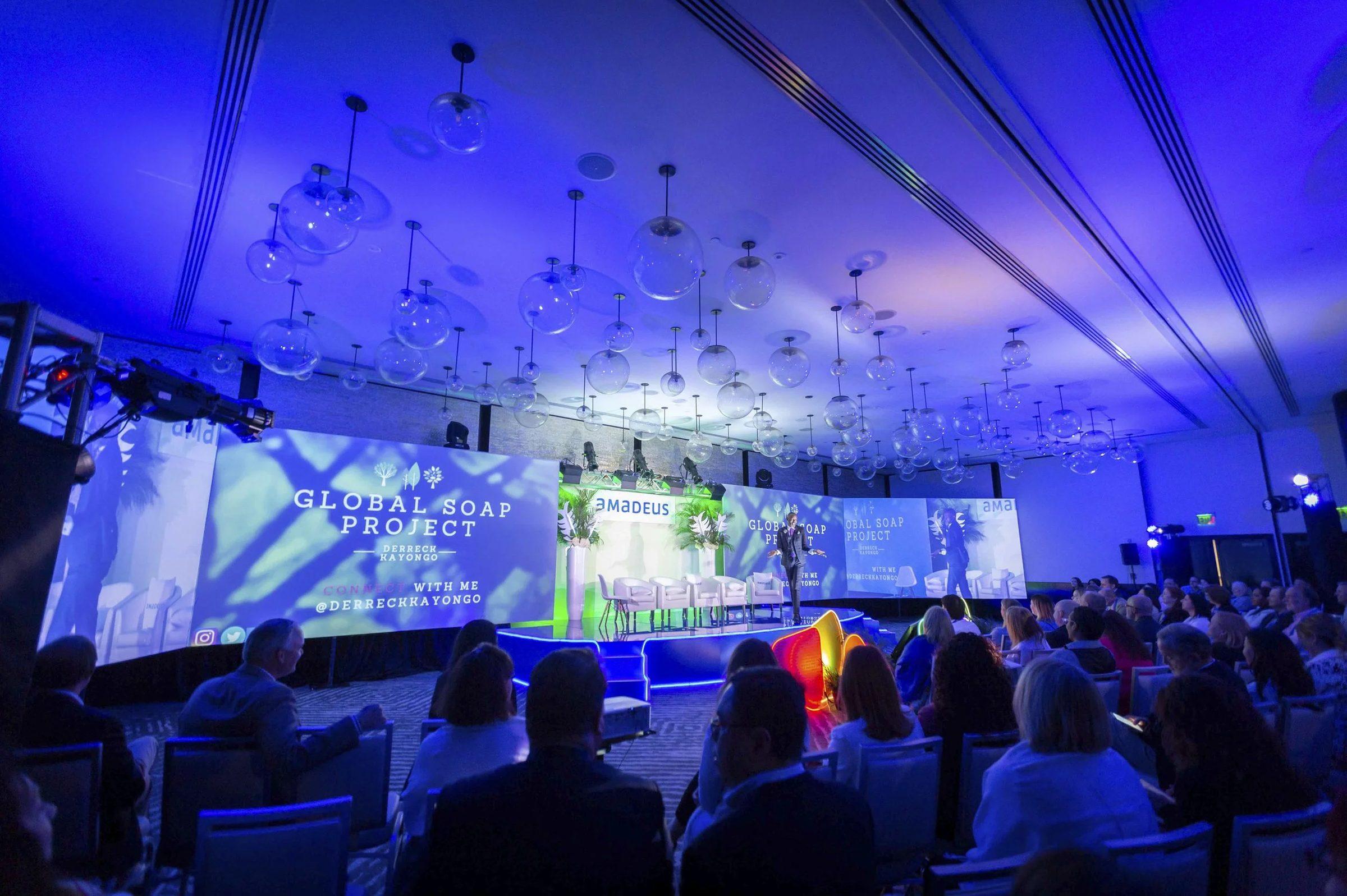
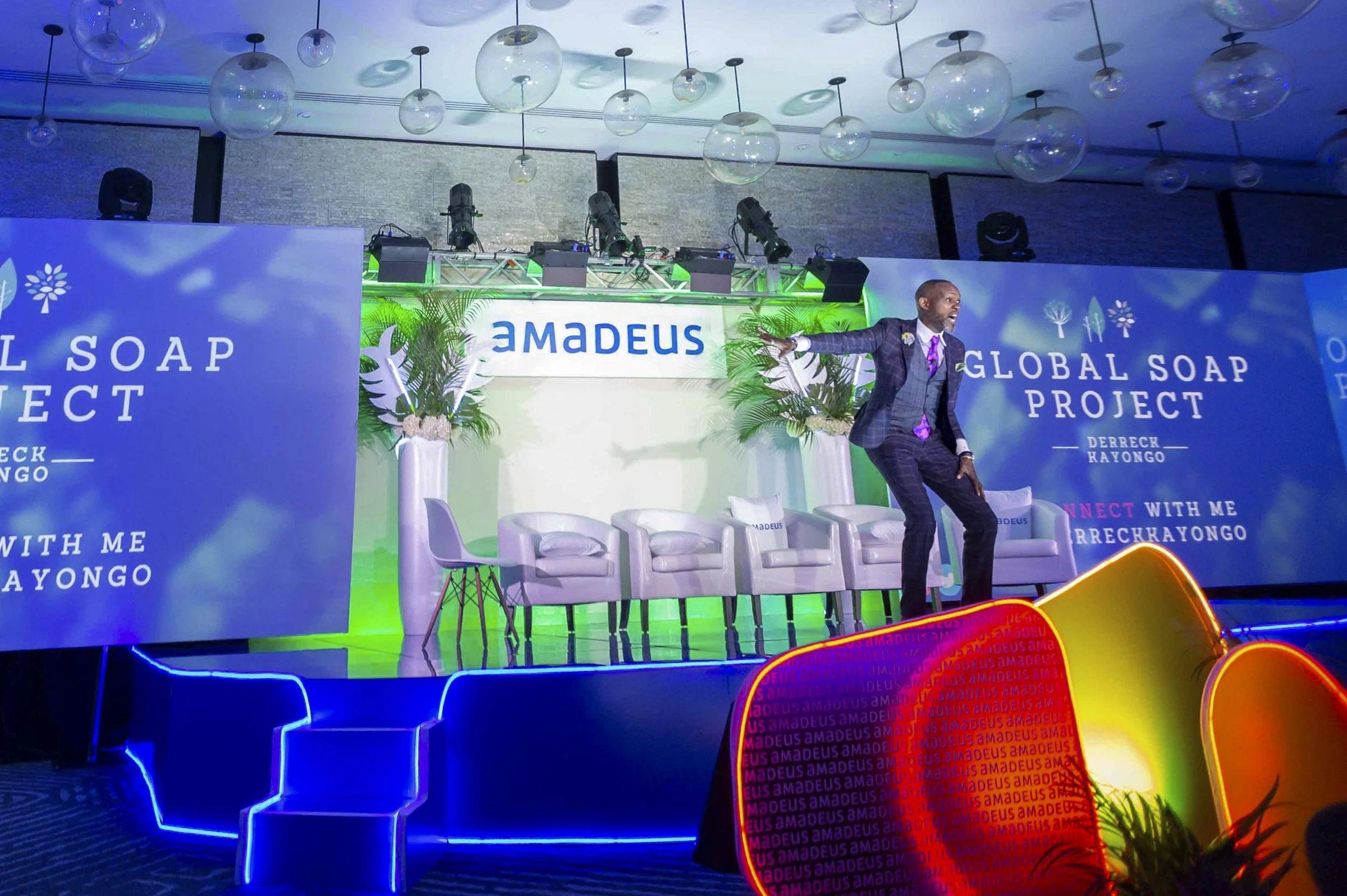
- A wide from the back of the room that shows how full it is. This is the most reused shot in any promo.
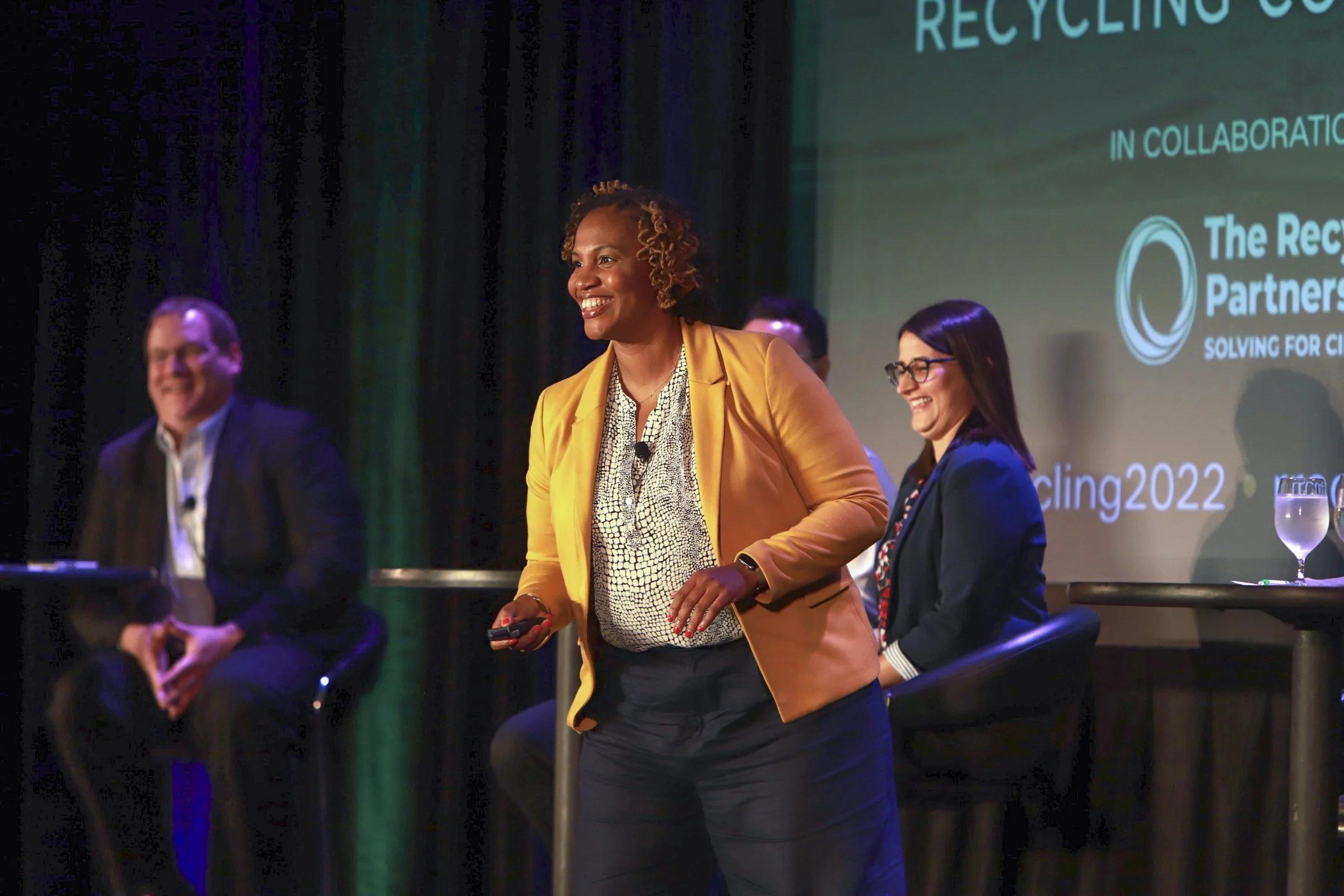
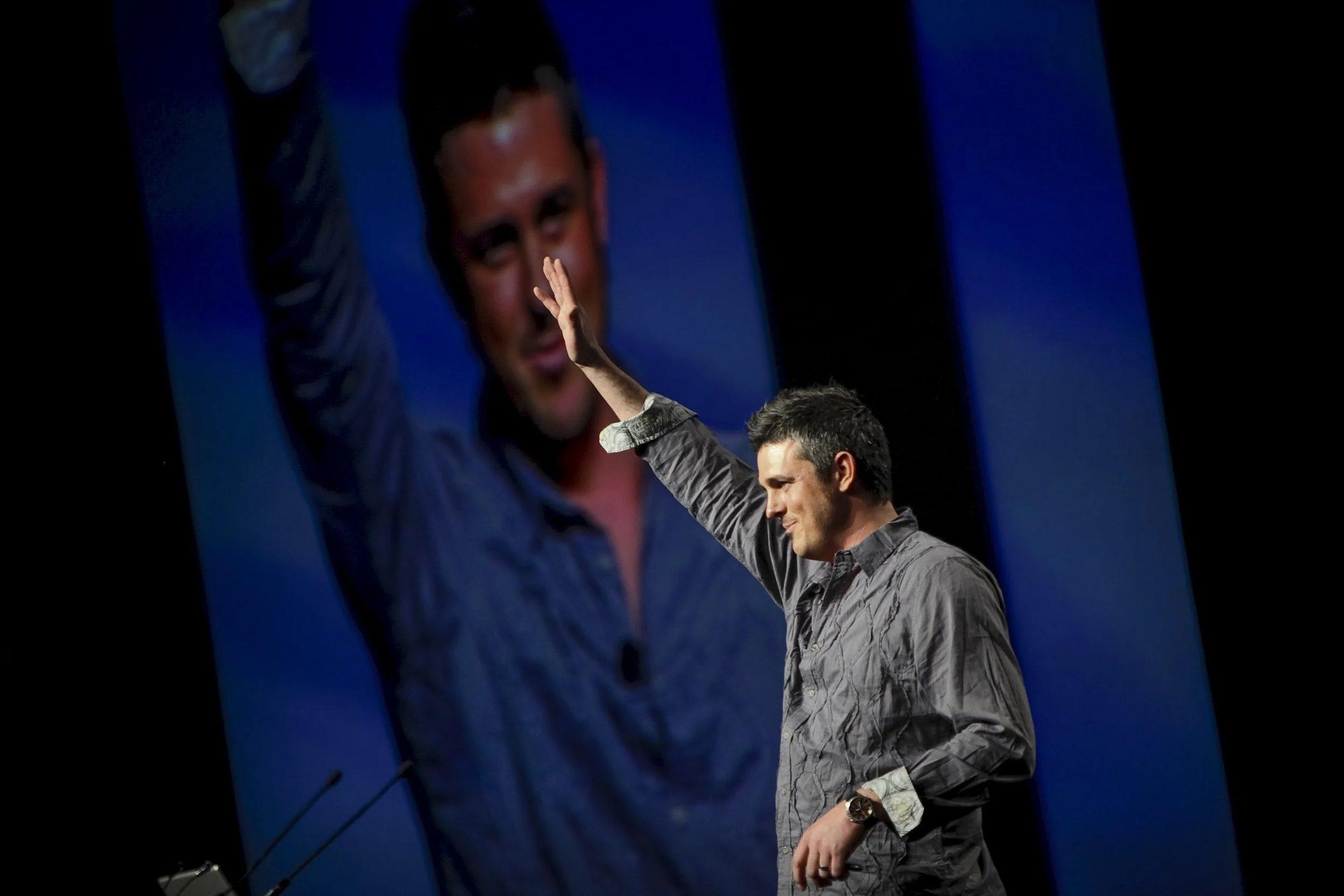
- Medium and tight shots of each speaker, plus the walk-on.
- Audience reactions: laughter, note-taking, phones raised to photograph a slide, applause.
- Stage branding and sponsor recognition moments, timed to the run-of-show.
- A full recording of each keynote that belongs in the on-demand library. Our guide to recording conference sessions covers the camera and audio setup.
Breakout sessions
- A few minutes of b-roll in each room: a wide, the speaker, the audience, a hand raised for Q&A.
- Full recordings only for the sessions you chose in advance. Recording every room adds cost fast and is rarely worth it unless the library is a paid or gated product.
- Panels from an angle that shows every panelist in one frame.
Expo hall
- The doors opening and the first wave of traffic.
- Every sponsor booth with the logo readable, ideally with a conversation happening in front of it.
- Product demos, hands-on moments, and booth staff talking with attendees.
- Aisle shots that show volume. Sponsors want proof of traffic when renewal comes around.
Ask for the sponsor list with tiers and booth numbers before the event. The crew can then work the hall booth by booth instead of guessing.
Networking breaks and meals
- Small groups in conversation, name badges visible, people laughing.
- Coffee lines and meal service as cutaways, not as the story.
Receptions, dinners and awards
- Toasts, award presentations, winners with presenters, the room at its fullest.
- Low-light coverage, so plan where the crew can stand without putting a flash in every face.
Offsites
Offsite activities sell registration because they show what the conference feels like outside the ballroom. A tournament, a facility tour or a dinner across town gives the promo a different backdrop and gives prospects a reason to stay the extra night. Confirm transportation for the crew and gear, since offsites usually start the moment the last session ends.
The shot list by day
Day-by-day planning keeps the crew where the priorities are. A three-day conference usually breaks down like this.
| Day | Priority moments | Also capture |
|---|---|---|
| Setup day | Empty branded spaces, signage, stage, expo build | Staff headshots, interview studio test |
| Day 1 | Registration rush, opening keynote, expo hall opening, welcome reception | First-timer reactions, sponsor booths with traffic |
| Day 2 | Breakouts, greenroom interviews, sponsor booth pass, offsite event | Session recordings, promo-ready wides |
| Day 3 | Closing general session, awards, final networking | Pickup shots for anything missed, thank-you moments |
Put exact times next to every must-get moment. "Opening keynote" is not a shot list item. "9:05 a.m., Ballroom B, CEO walk-on, sponsor slide at 9:12" is.
Mark each item photo, video or both
A shared shot list should say which medium each moment needs. Some moments need both: the opening keynote, the expo hall opening, the awards. Others need only one. Sponsor booth coverage is mostly a photo job, because sponsors want stills for recaps and social posts. A panel debate is a video job if it is headed for the on-demand library. Marking each line keeps two people from shooting the same thing while a sponsor's booth goes uncovered.
Leave room for the moments you cannot schedule
Some of the best conference footage is unplanned: a speaker who stays after the session to keep answering questions, two longtime colleagues reuniting in an expo aisle, a standing ovation nobody expected. A shot list that books every minute leaves no one free to catch those moments. Build slack into each day:
- Give at least one crew member open blocks with no assigned room, especially during breaks and the first hour of the expo.
- Tell the crew which people matter most, so they recognize a moment worth catching when it happens.
- Ask your on-site contact to text the crew before anything unscheduled, like a surprise announcement or a VIP arrival.
The interview list
Interviews give the recap film and the promo their voice. Build the list by role:
- Keynote and featured speakers, right before or right after their session.
- The board chair, executive director or conference chair, for the message about why the event matters.
- Top-tier sponsors, as part of their sponsorship benefits.
- First-time attendees, who explain the value in plain language for next year's prospects.
- Long-time attendees, who show loyalty and community.
- Exhibitors who can describe a real conversation from the show floor.
Keep it to three to five questions per person and ask for specific examples. A dedicated space makes interviews far easier to schedule. At E-Scrap 2025, our greenroom interview studio produced 15 individually edited interviews.
Hand the crew a one-page brief
The shot list works best with a short brief that answers the questions a crew would otherwise ask you during the busiest hour of the event:
- The agenda with room names and any last-minute changes.
- The sponsor list with tiers and booth numbers.
- VIPs with photos, so the crew can recognize them in a crowd.
- Must-get moments with exact times.
- Brand guidelines: fonts, logos and messaging. When E-Scrap rebranded as "E-Scrap: The Longevity Conference," every title card and graphic had to follow.
- Restrictions: sessions that cannot be filmed and attendees who opted out.
- One on-site contact with a phone number and the authority to make decisions.
What a good shot list makes possible
A clear list is how one crew covers a lot of ground. At E-Scrap 2025 in Grapevine, Texas, one Big Wave crew worked sessions, the expo hall, a greenroom studio and staff headshots over three days, and still delivered 500+ edited event photos on top of the video work.
That kind of output depends on the crew knowing on the first morning where the sponsors are, which rooms matter and who the VIPs are. The full deliverable list is in the Resource Recycling case study, and photo coverage is planned the same way on our event photography work.
Plan your conference coverage with us
The shot list is the first thing we build with a conference client, usually before the crew size is even final, because it tells us how many people the event needs. See how conference video production works with Big Wave, then send us your agenda and sponsor list. You can book a discovery call with Brian or call or text the office at 407.498.5980.