The short answer
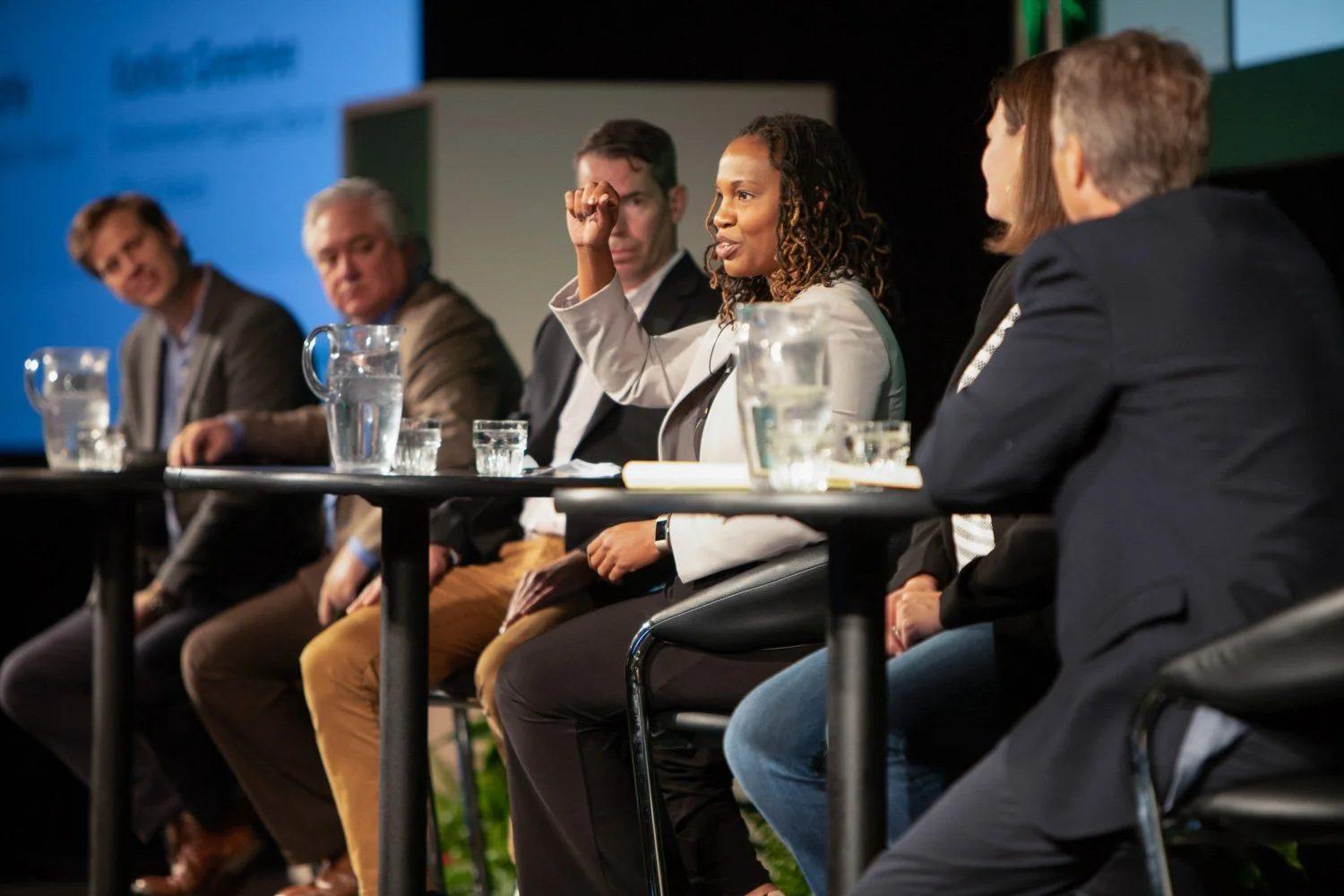
A greenroom interview studio is a small, fully lit video set inside the conference venue where speakers, sponsors and industry leaders sit for short on-camera interviews between sessions. It runs alongside the program with studio lighting, 4K cameras and professional audio. At E-Scrap 2025, Big Wave Productions' greenroom studio produced 15 individually edited interviews.
A conference greenroom interview studio is a dedicated video set inside the venue where speakers, sponsors and industry leaders sit down for short interviews between sessions. Big Wave Productions runs greenroom studios at Resource Recycling's conferences with studio lighting, 4K cameras and professional audio. At E-Scrap 2025 in Grapevine, Texas, the studio produced 15 individually edited interviews.
The set is the easy part. The schedule, the questions and the sponsor offer decide how many usable interviews you leave with, and how long your marketing, editorial and sponsorship teams keep using them.
What a greenroom studio is
Most conferences already have a greenroom where speakers wait before they go on stage. The interview studio sits in or near that space, so speakers can step in before or after their session without crossing the venue. It runs alongside the program all day and puts the people already at your event on camera, talking about trends, what they are hearing in sessions and why the conference matters to them.
The difference from grabbing interviews on the show floor is control. A studio has quiet, consistent light and clean audio, so every interview matches the others and every one is usable. A show-floor interview competes with forklifts, PA announcements and the booth next door.
How to set it up
The room
Pick a room that is quiet, private and close to the speaker greenroom. Avoid rooms that share an air wall with a ballroom, where applause and sound checks bleed into the audio. Ask the venue about HVAC noise and whether a nearby service corridor gets busy during meal service. A lockable room lets the crew leave the set built overnight, so mornings start with interviews instead of setup.
Lighting
Studio lighting is what turns a hotel meeting room into a set. A key light, a fill light and a back or hair light give faces shape and separate the guest from the background. Block or diffuse windows so daylight does not shift color and brightness through the day, and so the first interview of the morning matches the last one of the afternoon.
Cameras
We shoot greenroom interviews in 4K on a multi-camera set: a medium shot and a tighter shot give the editor somewhere to cut, which makes a short edit feel natural instead of jumpy. Big Wave works with RED and Canon cinema cameras, including the Canon C70, and cinema lenses. The specific package depends on the room and the deliverables.
Audio
Professional audio matters more than anything else on the set. A wireless lavalier on each guest, with a second microphone as backup, covers most situations. Someone on the crew should monitor audio on headphones for every interview, because a rustling jacket or a buzzing phone is easy to fix in the moment and impossible to fix later.
Backdrop
Choose between a branded backdrop with the conference identity and a softly lit environmental background. Either way, keep it consistent across every interview, so the set reads as one series. If a sponsor presents the studio, their brand can appear on the set or in the graphics.
Scheduling speakers and sponsors between sessions
The schedule decides how many interviews you get. A few rules make it work:
- Book in advance. Add an interview slot to the speaker agreement and to the benefits of higher sponsorship tiers. Guests who agreed weeks earlier show up.
- Schedule around their session. Right before a talk, speakers are focused on the stage. Right after, they are energized and still thinking about the topic, which usually makes for a better interview.
- Assign a wrangler. One person, from your team or ours, confirms each guest, walks them to the studio and keeps the next one ready.
- Leave buffers. Sessions run late and hallway conversations run longer. A buffer keeps one late guest from pushing back the whole day.
A sample morning block:
| Time | Slot |
|---|---|
| 10:15 | Keynote speaker, right after the opening session |
| 10:35 | Buffer |
| 10:45 | Title sponsor executive |
| 11:05 | First-time attendee |
| 11:20 | Buffer and reset before the lunch break |
| 12:30 | Board chair or conference chair |
Question design
Good interviews come from a few questions and specific answers. Design them like this:
- Keep it to three to five questions per guest.
- Send them in advance so guests can think, but discourage reading prepared answers.
- Ask for one specific example in every answer.
- Ask guests to restate the question in their answer, so each clip stands on its own without the interviewer's voice.
- Mix evergreen and timely questions. Some answers should still work in next year's promo.
Questions that tend to work well:
- What is the biggest change in your part of the industry this year?
- What is one conversation from this conference you will follow up on?
- Why should someone in your role attend next year?
- What should people in your field be paying attention to right now?
Prepare your guests
A two-minute briefing before each interview saves twenty minutes in the edit. Send guests a short note in advance and repeat the key points at the studio door:
- Wear solid colors. Very fine stripes and small checks can shimmer on camera.
- Take off lanyards and name badges, which catch light and clutter the frame.
- Silence phones and leave them outside the set.
- Have water nearby, and arrive a few minutes early to settle in.
- Speak to the interviewer, not the camera, unless the producer asks otherwise.
Every guest should sign a release before they sit down. Keep blank copies at the studio door, and have the wrangler collect them so nobody walks onto the set without one. Our guide on what to wear for corporate headshots works for interviews too.
How many interviews a day is realistic
The limit is usually guest availability, not the crew. Guests are free during breaks, before and after their own sessions, and at lunch, and the set needs a reset between each one. At E-Scrap 2025, the greenroom studio produced 15 individually edited interviews across three days, about five a day on average, while the same crew covered the rest of the conference. A schedule built around the agenda, with a wrangler and buffers, is what keeps that number up. Without them, the studio sits idle while guests are stuck in hallway conversations.
What the interviews become
Each interview can serve several teams:
- Individually edited interviews for the website, the member portal and editorial coverage.
- Pull quotes and sound bites for the recap film and next year's conference promo video.
- Social clips in vertical format, one idea per clip.
- Sponsor content the sponsor can share on its own channels, within the rights you agree on.
- Year-round thought leadership that keeps the organizer at the center of the industry conversation.
Interviews and session videos give an organizer something to publish for months after the exhibit hall closes. The studio is also the natural place to record promo testimonials, since the light and audio are already right.
The sponsor value
An interview slot is an easy sponsorship benefit to sell, because sponsors rarely get professionally produced video of their executives talking about the industry. Options to offer:
- Include an interview in top sponsorship tiers.
- Sell a studio presenting sponsorship with the sponsor's brand on the set and in the graphics.
- Give sponsors their edited interview with clear usage rights for their own marketing.
Put the studio in your prospectus with a sample clip from a past event. Sponsors respond to seeing the finished product more than to a description of it.
Add a greenroom studio to your conference
The best time to plan a studio is before speaker agreements and sponsorship tiers go out, so the interview slot is written into both. A greenroom studio is one part of our conference video production coverage, run by the same crew that covers your sessions and photography. The Resource Recycling case study shows how it fits into a full event, and our conference shot list covers the rest of the plan. To talk through your guest list, book a discovery call with Brian or call or text the office at 407.498.5980.