The short answer
Banks can feature employees in marketing videos when every person signs a release that says what happens if they leave, participation is a real choice, nonexempt staff are paid for time on set, and compliance checks titles and mortgage NMLS IDs. Plan the library so no single departure forces a reshoot. HR, counsel and compliance approve the details.
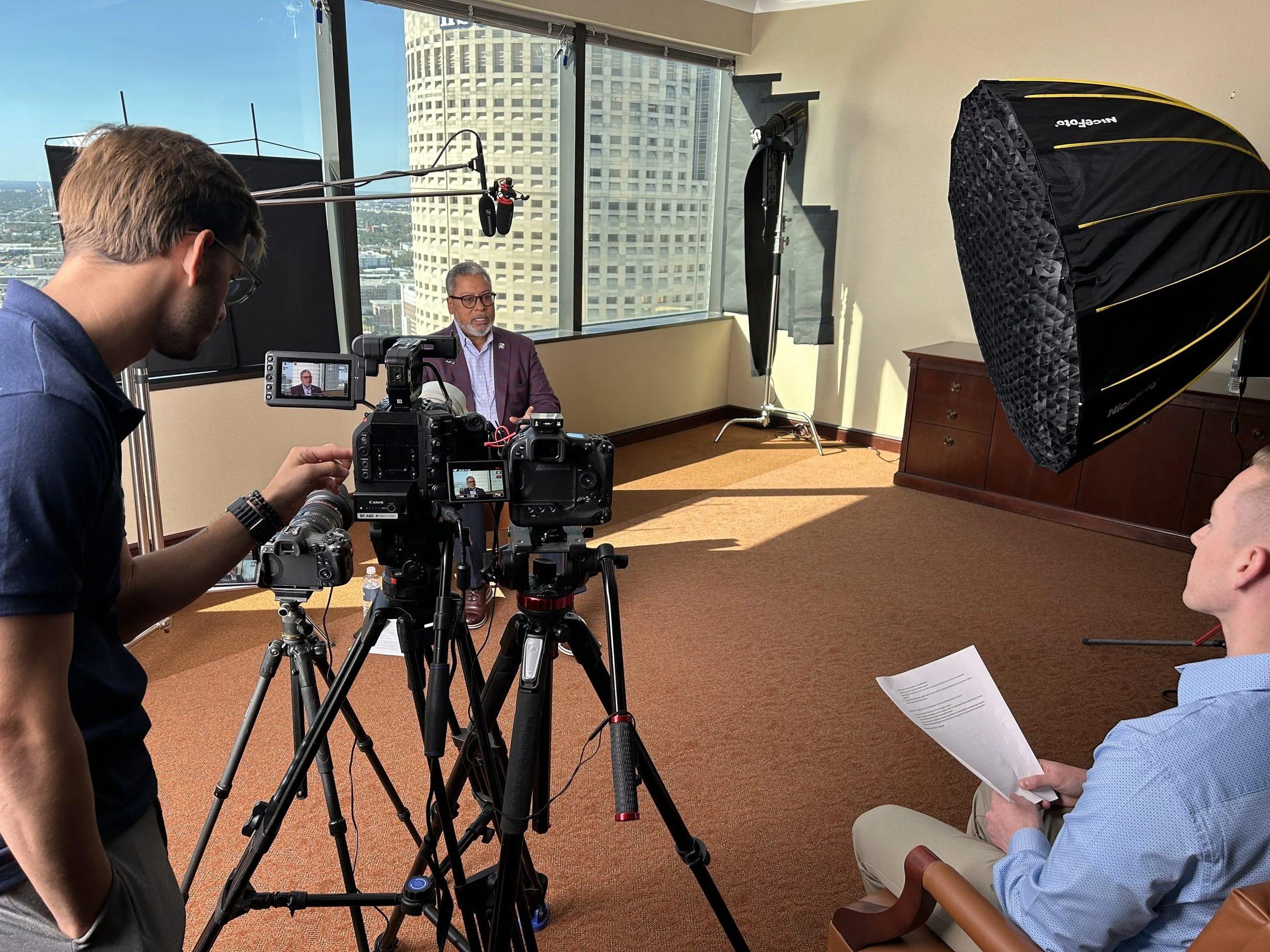
Banks and financial institutions can put employees on camera with confidence when four things are settled before the shoot: a signed release that says what happens if the person leaves, a real choice to participate, pay for nonexempt staff's time on set, and a compliance check on titles and licensing. Then plan the video library so no single departure forces a reshoot. Big Wave Productions films employees in branches and offices for banks and financial institutions, and these are the questions HR and marketing ask us most. This is not legal or HR advice. Your HR team, counsel and compliance officer make the calls.
Why employees, and why HR has questions
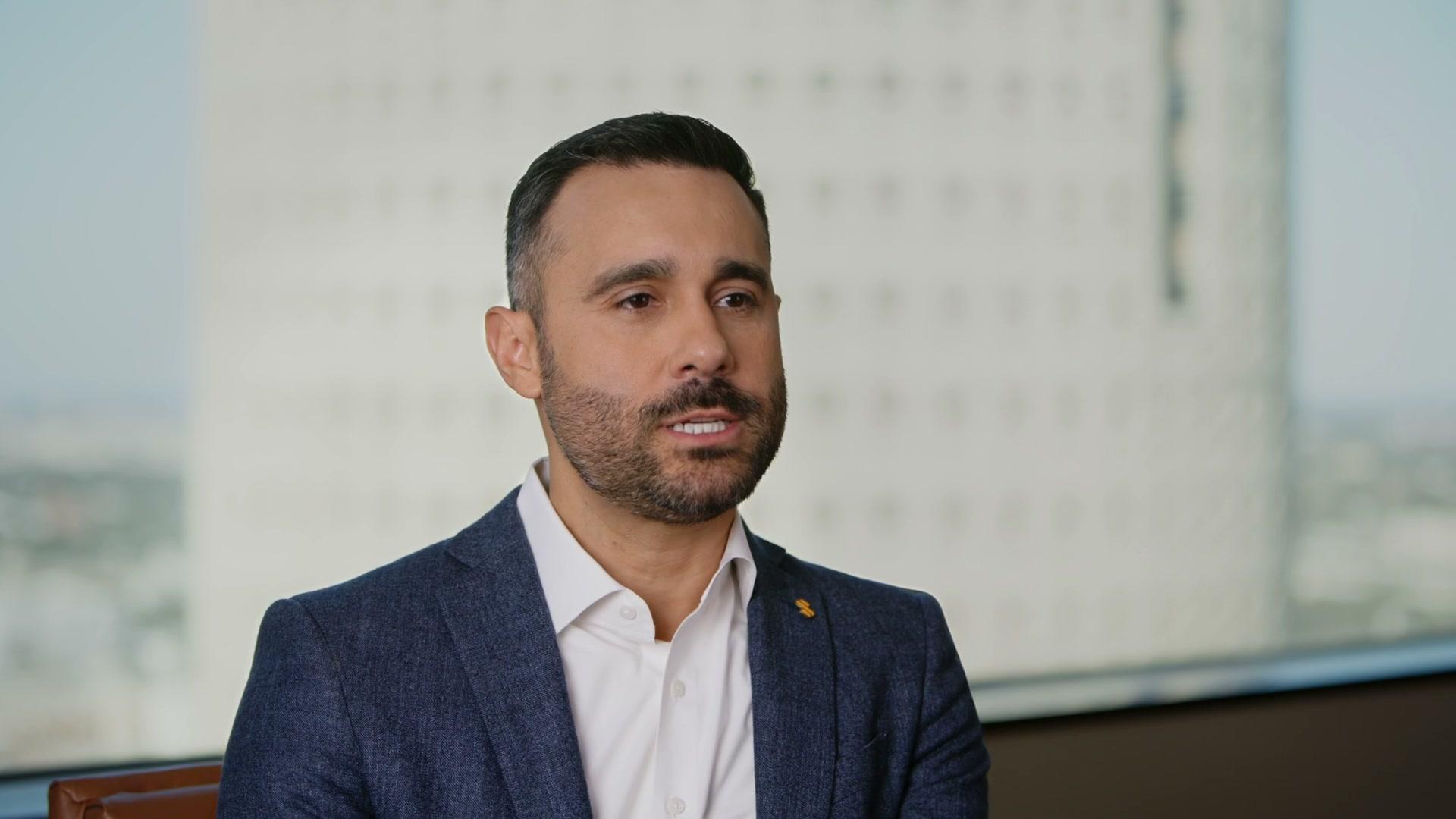
Employees are the most credible people a bank can put on camera. A teller, a lender or a branch manager makes the institution feel human in a way a stock photo cannot. That is why employees anchor recruiting and culture videos, fraud warnings and community stories.
It is also why HR gets involved. An employee on camera is a person whose face, name and title now live in your marketing, sometimes for years. The questions below are the ones worth answering before anyone clips on a microphone.
What should an employee video release include?
Every identifiable employee who is featured should sign a talent release, even when filming happens during the workday. State law governs commercial use of a person's name and likeness. Florida's Section 540.08, for example, requires consent for commercial or advertising use. Your counsel writes or approves the language, but these are the points HR teams usually want covered:
- What is being used. Name, likeness, voice, job title and anything said on camera.
- Where and how long. Website, social, paid ads, broadcast, branch screens and presentations, and whether there is an end date.
- What happens after employment ends. The most important line, and the one most often left out.
- How to ask for removal. Who the employee contacts, and what can realistically be pulled. A website clip is easy to retire. A printed brochure already mailed is not.
- Minors. If an employee brings a child for a family scene, a parent or guardian signs for the child.
Sign releases on shoot day, before the camera rolls, and store them with the project files. Our guide to usage rights and releases covers how releases fit with music licenses and footage ownership.
What happens to the video when someone leaves
This is the question that stalls approvals, and the answer is a policy you choose in advance. People do leave. The Bureau of Labor Statistics reported in its September 2026 tenure summary that median tenure with a current employer was 4.1 years in January 2026. Financial activities had the highest median of any private-sector industry at 5.0 years, but workers ages 25 to 34 had a median of just 3.0 years. A brand film usually outlives a young teller's tenure.
| Policy | How it works | Fits best |
|---|---|---|
| Keep using | Release allows use after employment ends | Brand films, group shots, b-roll |
| Retire on request | Use continues unless the former employee asks for removal | Testimonial-style employee stories |
| Retire on departure | Featured clips come down when the person leaves | Social posts, spotlights, recruiting clips |
| Retire the featured shot, keep the rest | Re-edit to remove close-ups and on-camera lines | Long-lived films with one departing speaker |
Many banks use more than one policy, matched to the asset. Whatever you choose, keep a talent log: every person featured, which videos they appear in, release date and policy. When HR announces a departure, marketing should be able to find every affected clip within an hour.
Volunteers, not "voluntold"
Ask for volunteers. People who want to be on camera look and sound better than people who were assigned. A reluctant employee also has a harder time telling a manager no, so make declining easy and private.
Practical ways to do that:
- Invite people individually, not in a team meeting where everyone hears the answer.
- Offer off-camera roles: hands on a keyboard, a voiceover, a group shot in the background.
- Never tie participation to reviews, schedules or promotion.
- Let featured employees see the cut of their own segment before it publishes, if review timelines allow.
"Volunteer" has a second meaning HR will catch. The Department of Labor's FLSA guidance says employees may not volunteer services to for-profit private sector employers. A willing participant is still on the clock.
Do you have to pay employees for time on set?
For nonexempt employees, time on camera, time in prep and time traveling to another branch to film are generally hours worked. The Department of Labor's Fact Sheet #22 says work an employer suffers or permits is work time that must be paid, and that travel cutting across the workday is work time.
Branch shoots make this real, because the best time to film is often before opening or after close. A teller who works a full shift and then films for two hours may be into overtime that week. Plan shoot times with branch managers and HR, put them on the timesheet, and keep the on-camera block as short as the shot list allows.
Two decisions belong to HR, not production: how to treat exempt staff who give up an evening, and whether employees get a talent fee or bonus when their footage runs in paid advertising.
How should titles and NMLS IDs appear in bank videos?
Titles change faster than videos. Put job titles in editable on-screen text, and ask for a textless master so a promotion does not mean a new edit.
Mortgage content needs extra attention. Bank loan officers are generally registered mortgage loan originators under the federal SAFE Act rules in Regulation G. Under 12 CFR 1007.105, the institution must make its originators' unique identifiers available to consumers, and an originator must provide theirs on request, before acting as an originator and in their first written communication with a consumer. State-licensed mortgage companies follow state advertising rules. Texas, for example, requires the company's and the sponsored originator's NMLS IDs in mortgage banker ads, and allows them on a social media profile page instead of every post. Your compliance team decides whether a loan officer's NMLS ID goes on screen, in the caption or on the profile.
The same care applies to anyone whose title implies a license, such as a financial advisor at an affiliated broker-dealer. Our bank video compliance checklist covers the advertising rules reviewers check.
One more: when employees share the video from their own accounts, the FTC's endorsement guidance says they should disclose that they work for the company, and that listing the employer on a profile page is not enough. Put that in your social media policy.
Representation, done honestly
Cast from the real workforce. The fastest way to lose trust with employees is a video that borrows people from headquarters to make a branch look like something it is not. Feature a range of roles, tenures, branches and backgrounds that actually exist in your institution, and spread the spotlight so the same two people are not in every piece.
Ask, never assign, when it comes to identity. An employee who would rather talk about the job than about their background should be able to. If a bilingual employee wants to speak Spanish on camera, plan captions and a Spanish version rather than asking them to switch languages mid-answer. In credit advertising, Regulation B at 12 CFR 1002.4(b) counts photographs and videos as statements, which is one more reason to keep casting honest and let compliance review the cut.
Plan a library that survives turnover
The goal is a video library where any single departure is a small edit, not a reshoot. That comes down to who you feature in what.
| Asset | Expected shelf life | Who to feature | When someone leaves |
|---|---|---|---|
| Brand film | 2 to 4 years | Long-tenured leaders, groups, many faces briefly | Trim one shot if needed |
| Recruiting film | 1 to 2 years | Several employees across roles | Re-edit around the departed speaker |
| Executive message | Until the next one | The executive | Retire with the role |
| Social clips and spotlights | Weeks to months | Anyone who volunteers | Archive or leave as a dated post |
| Fraud and education series | 1 to 2 years | A host plus a named backup | Backup host continues the series |
Four habits make it work:
- Spread the speaking lines. Five people saying one line each survives turnover better than one person carrying the whole film.
- Film alternates. For key lines, have two employees deliver them, so the edit has a second option later.
- Capture role-based b-roll. Hands counting cash, a lender at a desk, a team huddle. These shots outlast any one person.
- Review the library twice a year against the talent log, with HR's departure list in hand.
On a bank shoot, Big Wave Productions collects releases as part of the schedule, keeps the talent log with the project files and delivers editable titles, so marketing can update or retire a clip without starting over. Coaching matters too. Our guide to helping executives look and sound natural on camera applies to frontline employees as well.
Settle the HR questions before the shoot
Bring HR, compliance and the employees you hope to feature into the plan early, and most of these questions take one meeting. Big Wave Productions films recruiting and culture videos and employee stories for banks and financial institutions, from the release paperwork to the final talent log. Book a discovery call on Brian's calendar, and send your current release form ahead so we can flag what to ask your counsel.
Sources
- Florida Statutes, Section 540.08, Unauthorized publication of name or likeness.
- U.S. Bureau of Labor Statistics, Employee Tenure Summary, September 24, 2026 (data for January 2026).
- U.S. Department of Labor, FLSA Advisor: Volunteers.
- U.S. Department of Labor, Wage and Hour Division, Fact Sheet #22: Hours Worked Under the FLSA.
- Consumer Financial Protection Bureau, Regulation G, 12 CFR 1007.105: Use of unique identifier.
- Texas Administrative Code, 7 TAC 57.203: Advertising.
- Consumer Financial Protection Bureau, Regulation B, 12 CFR 1002.4.
- Federal Trade Commission, FTC's Endorsement Guides: What People Are Asking.