The short answer
Big Wave Productions is a national photo and video production company, headquartered in Orlando, that films marinas nationwide, including BlueWater Marinas in Englewood and Pompano Beach, Florida, and Duxbury, Massachusetts, and the Tierra Verde promo for Port 32 Marinas. To choose any marina photographer and videographer, check marina work, drone planning, tide and light scheduling, consistency across sites and usage rights.
Choose a marina photographer and videographer who has worked on the water before, plans drone flights and shoot days around tide, wind and sun, and can make several properties look like one brand. Big Wave Productions is a national photo and video production company, headquartered in Orlando, that films marinas nationwide. We have produced brand photo and video for BlueWater Marinas, including Englewood and Pompano Beach in Florida and Duxbury, Massachusetts, with drone and slow-motion b-roll. We also made a promo video and a client video testimonial for Port 32 Marinas in Tierra Verde, Florida.
Our marina marketing guide covers what to film. This one covers who should film it, and how to tell the difference between a crew that has shot a marina once and one that knows water.
Why marina work is its own specialty
Water changes everything about a shoot. Light bounces off it and blows out highlights. Wind decides whether the drone flies and whether the basin looks glassy or choppy. Tide changes how the docks look and whether a boat can reach the spot you planned. A crew that mostly shoots buildings on land can come back with good footage from a calm morning. A crew that knows water also has a plan for the morning that isn't calm.
A marina also sells several things at once. The slip holder, the dry-stack customer, the transient boater, the boat club member and the couple booking dinner on the water are different buyers. Whoever you hire should ask which of them you need more of before building a shot list.
Seven things to check before you hire
1. Real marina and waterfront work
Ask for marina work specifically, then look for the shots that are hardest to get: a smooth aerial along the channel, a dry-stack launch filmed wide and tight, a fuel dock that looks busy, a sunrise without a clipped sky. If every sample was filmed from the dock at midday, ask whether they have shot from the water and at the edges of the day.
2. Drone planning, airspace and the dockmaster
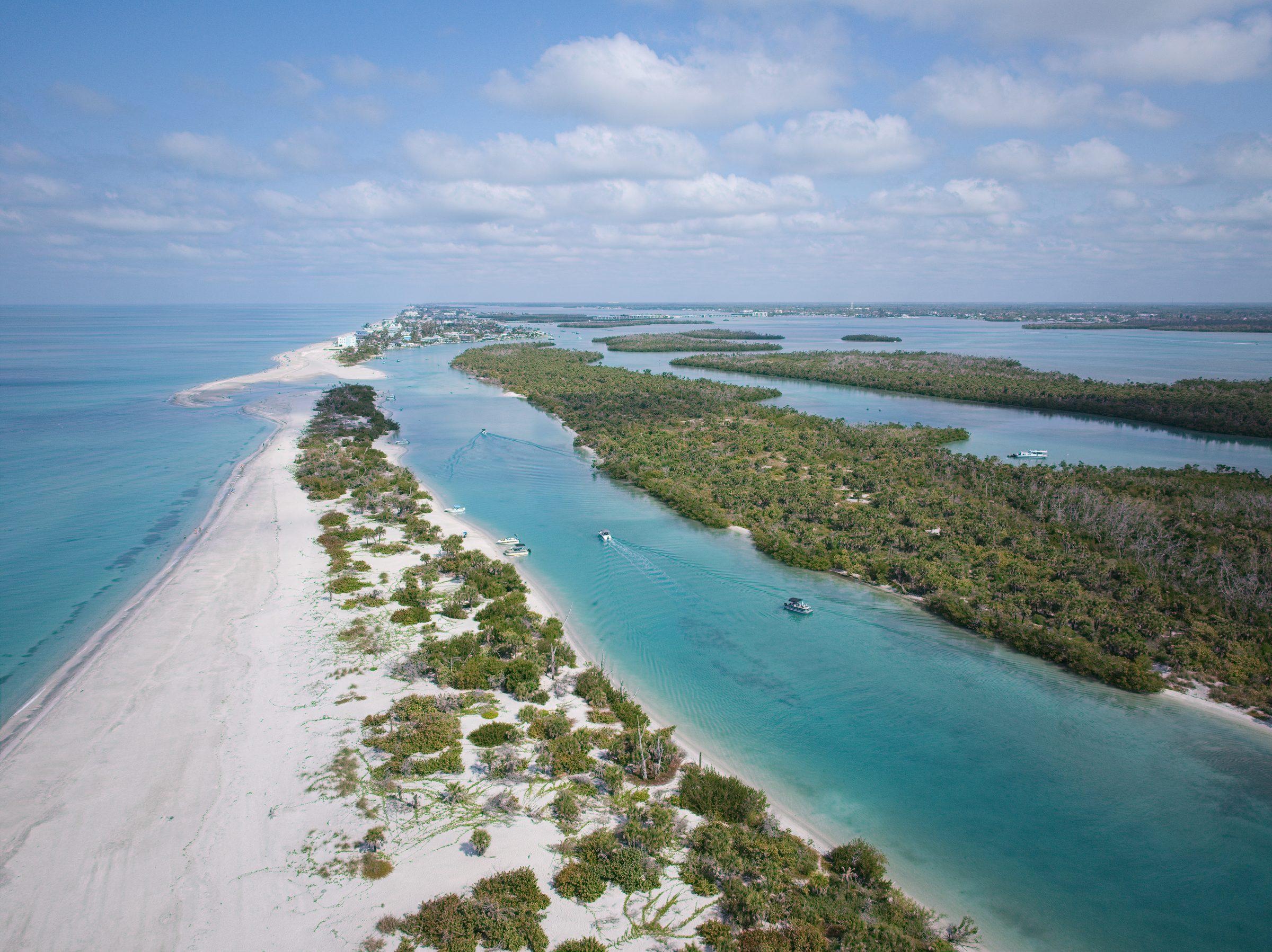
Aerials do most of the explaining for a marina, so drone planning matters more here than on most shoots. Ask how flights are planned around FAA Part 107 rules and airspace authorization, since many waterfronts sit near airports. Ask how they coordinate with your dockmaster to keep the drone clear of boat traffic and people on the docks. Our drone video guide explains the rules at a business level.
3. Capture from the water
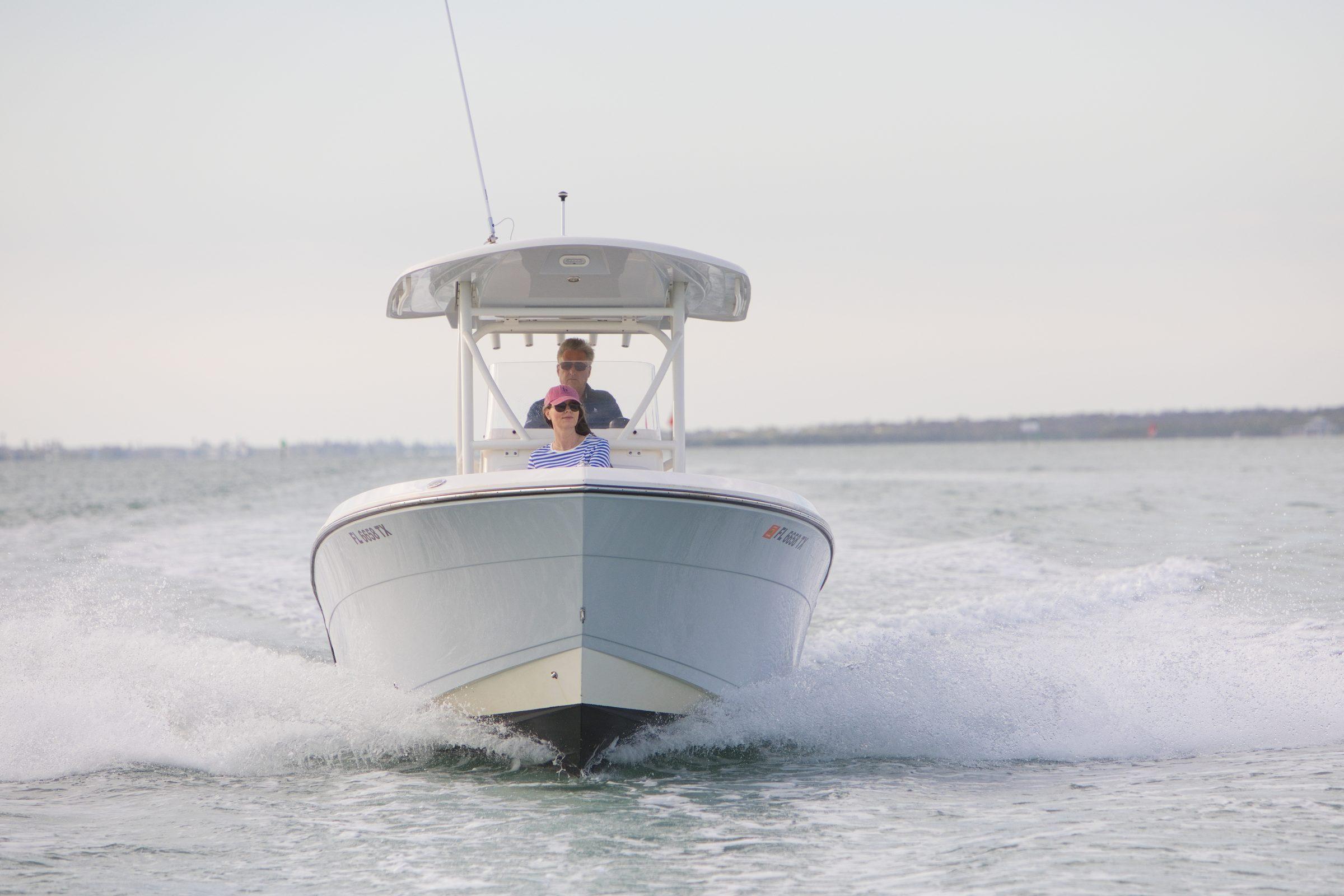
Some of the best marina footage needs a second boat: the run out of the channel, a boat underway, the property as a visiting boater sees it on approach. Ask who arranges the camera boat and captain, and how the camera is stabilized on the water. For lifestyle scenes, ask how they direct members or cast talent on a moving boat while keeping everyone seated where they should be.
4. Scheduling to tide, wind, sun and season
Ask how they pick dates. A good answer includes the sun's angle for that week, tide tables, the wind forecast, your busiest hours at the fuel dock and dry stack, and your boating season. For properties up north, the season is short, so the shoot has to land when slips are full and the shoreline is green. Ask what happens if the weather turns, whether that means a planned weather day or a clear reschedule policy.
5. Care around wildlife
Dolphins, manatees, pelicans and herons make great marina footage, and many are protected. NOAA Fisheries recommends staying at least 50 yards from dolphins and porpoises, and advises against flying drones near marine animals because the noise and proximity can stress them (NOAA Fisheries viewing guidelines). A good crew uses a long lens and patience. It never chases an animal for a shot, and you don't want footage of anyone doing it with your logo on the screen.
6. Consistency across several marinas
Groups need every property to look like the same company. Ask how the crew keeps camera settings, color grade, titles and photo crops consistent between sites, and whether the same people will shoot each location. BlueWater's Englewood, Pompano Beach and Duxbury locations have very different water and light, which is exactly where a shared plan earns its keep.
7. Photo and video in one visit, with clear rights
Ask whether stills and video are shot in the same visit, so you schedule the property once and both share one look. Then ask about usage. Marina images may travel to brokers, boat clubs, the restaurant on site, event partners and listing sites. Decide who can use what, and make sure music is cleared for any video you plan to run as an ad.
Questions to ask a marina videographer
- Which marinas or waterfront properties have you filmed?
- How do you plan drone flights around our airspace and boat traffic?
- Who arranges the camera boat and captain for on-water shots?
- How do you choose dates around tide, wind and our season?
- What is the plan if the weather turns?
- How will our locations stay consistent with each other?
- What photo and video deliverables come out of one visit?
Red flags at the dock
- Every sample shot from land, in flat midday light
- No questions about tide, wind or boat traffic
- Drone footage promised with no word about airspace
- Any sign of crowding or chasing wildlife for a shot
- A different look at every location in a group's portfolio
- Photo and video booked as separate visits with no shared plan
How Big Wave Productions answers the checklist
Marina work. BlueWater Marinas brand photo and video at locations including Englewood and Pompano Beach, Florida, and Duxbury, Massachusetts, with drone footage and slow-motion b-roll. A promo video and a client video testimonial for Port 32 Marinas in Tierra Verde, Florida.
Drone. Every flight is planned around FAA Part 107 rules and airspace authorization, coordinated with your dockmaster, and scheduled for good light and calm water.
On the water. If the shot list calls for footage from the water, we plan the boat, captain and timing with your team in pre-production, along with any members or cast talent on board.
Scheduling. Shoot days are built around sun angle, tide, weather and your busiest days, with aerials and slow-motion b-roll early, while the water is calmest.
Wildlife. Long lenses, distance and patience. We never chase or crowd animals.
Consistency. For groups, we lock the grade, the framing rules, the music style and the title graphics at the first property, then repeat a core shot list at every site after it.
One visit. Photos and video in the same visit, on RED and Canon cinema cameras that give our colorist room to hold highlights on bright water and keep sunset skies from clipping.
Travel. We are headquartered in Orlando, work regularly in Tampa Bay, home to Port 32's Tierra Verde marina, and shoot nationwide and in Canada, Mexico and the Caribbean. BlueWater's Duxbury, Massachusetts location is one example of our marina work outside Florida. See our Tampa video production page for the Gulf Coast side.
For a short member or partner interview, our testimonial videos page shows how we keep it natural.
Plan before the season starts
Tell us how many properties you have, which slips or racks sit empty and when boaters start calling. We'll work backward from that to a shoot date with the right tide and light. Our marina video production page has the full list of what we produce, and our drone and aerial video page covers flight planning. Book a free discovery call with Brian, or call or text the office at 407.498.5980.
Sources
- NOAA Fisheries, Marine Life Viewing Guidelines: guidelines and distances.