The short answer
Bank testimonial videos sound real when you choose customers with a specific story, run a short pre-interview instead of a rehearsal, and let a producer ask open questions on camera. Film b-roll at the customer's business, collect signed releases, and have compliance check endorsement rules and any rate or loan terms before anything posts.
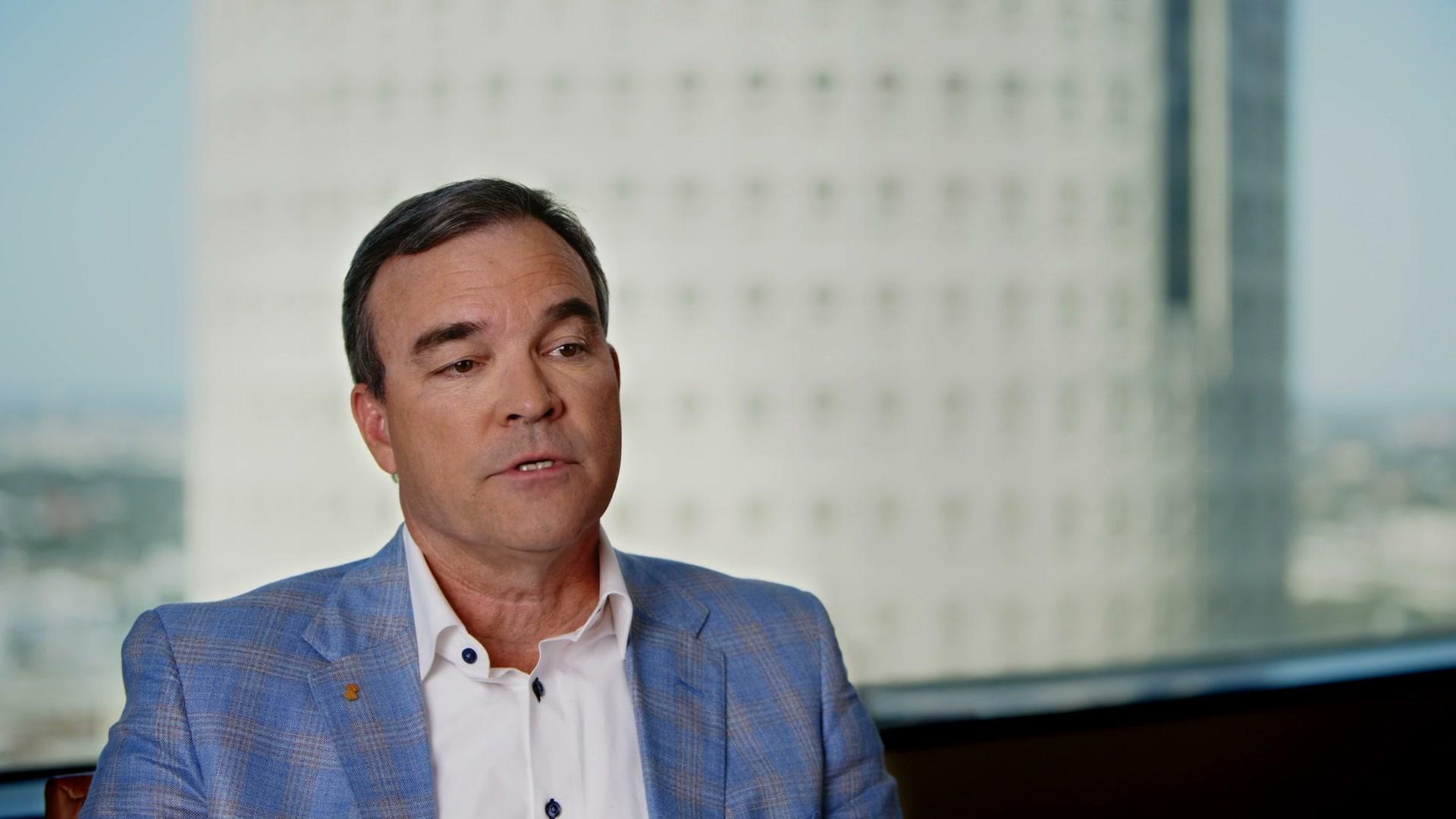
Bank testimonial videos sound unscripted when the customer is never handed a script. You pick someone with a specific story, learn that story in a short pre-interview, and let a producer draw it out on camera with open questions. That is how Big Wave Productions films customer stories for banks and financial institutions, with compliance review on the schedule from the first planning call.
Finding the right customers
Your happiest customer may not be your best subject. Look for someone with a clear before and after, a specific moment where the bank made a difference, and a willingness to talk about it.
Ask your relationship managers, lenders and branch managers for nominations. Then screen for:
- A specific story. "They helped us buy our second truck when another bank said no" beats "they're great people."
- A visual life. A bakery, a boatyard, a contractor on a job site. B-roll carries half the video.
- Comfort, not polish. You want someone who tells good stories at dinner, not someone who has done a lot of TV.
- Variety across the series. Different industries, ages, neighborhoods and products, so the series reflects your real customer base.
- A clean relationship. No pending disputes, collections or complaints. Your compliance and credit teams should sign off on the list.
Run a pre-interview, not a rehearsal
A pre-interview is a 15- to 20-minute phone call with the producer a week before the shoot. Its only job is to find the story.
On the call, we learn the timeline, the names involved and the details that make the story theirs. We listen for the phrases they naturally use, so we can ask questions that bring those phrases back on camera. Then we stop. If a customer rehearses an answer three times, it comes out sounding like a fourth rehearsal.
We also send the customer a one-page note: what to wear, how long we will be there, who will be on site, and a reminder that there are no wrong answers.
Interview technique that keeps it unscripted
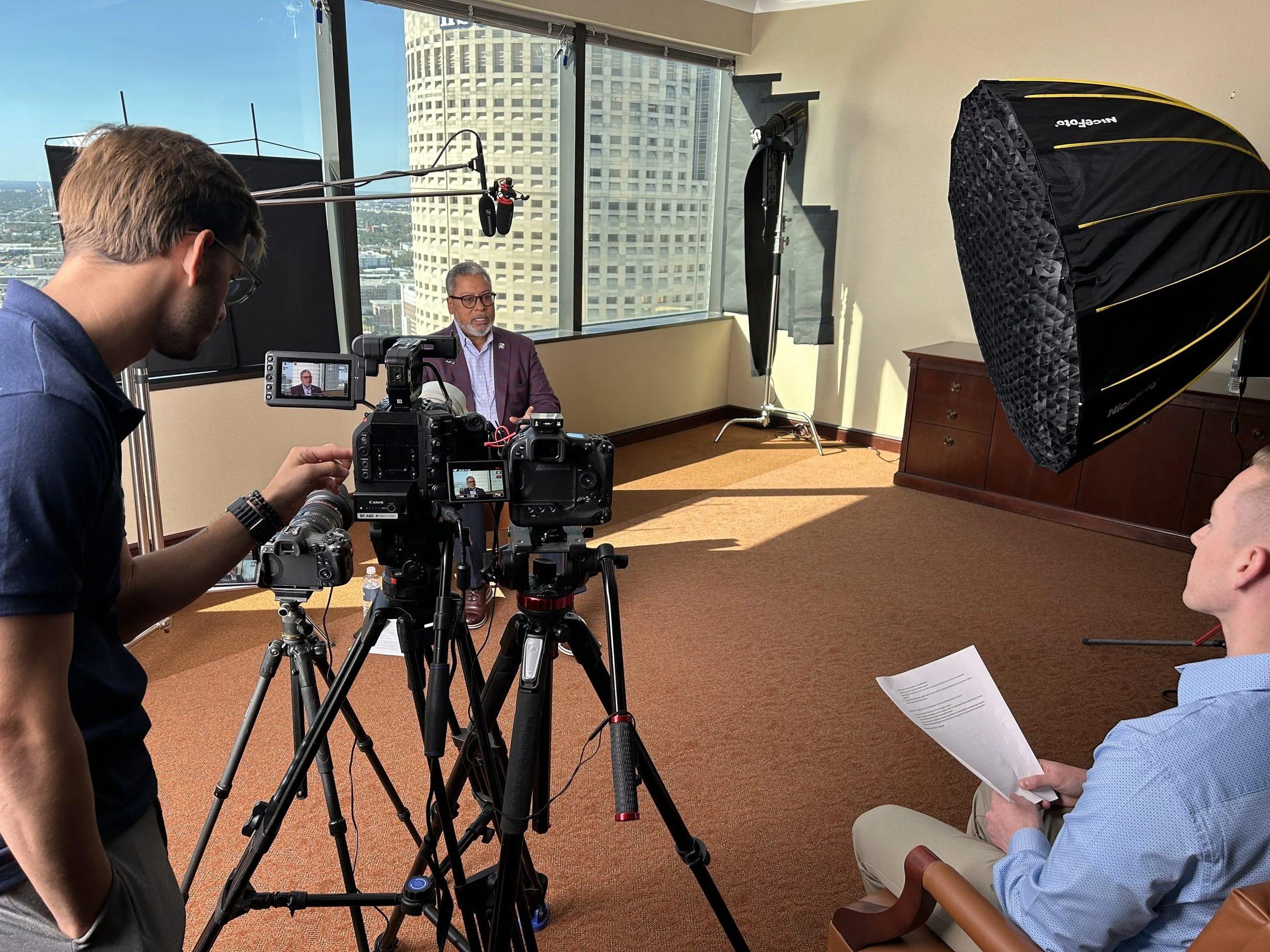
The interview is a conversation with a producer sitting next to the camera. The customer looks at the producer, not the lens. A few rules we follow on every testimonial:
- Open questions only. "Tell me about the week you found out about the building" instead of "Was the bank helpful?"
- Ask for the scene. "Where were you when you got the call?" pulls people into the memory, and their voice changes.
- Complete sentences. We ask the customer to include the question in the answer, so every clip works without the interviewer.
- Let silence work. After an answer, we wait. The best line often comes in the second breath.
- Never feed lines. If we need a point covered, we ask a different question that leads there. Words we put in their mouth will sound like ours.
Questions we keep coming back to:
- Tell me about your business in a sentence or two.
- What was going on before you came to the bank?
- Who did you work with, and what did they do that you did not expect?
- What was the moment you knew it was going to work?
- What does the business look like now?
- What would you tell another owner in your position?
We usually film testimonials with two cameras so the edit can tighten answers without jump cuts. The same skill applies far outside banking. At E-Scrap 2025 in Grapevine, Texas, one Big Wave crew delivered 15 individually edited greenroom interviews in three days, alongside session recordings, event photos and recap videos. Getting a good answer quickly from someone who does not do this for a living is the core of the job.
Film b-roll where the work happens
B-roll is what turns a talking head into a story. Plan at least as much time for it as for the interview.
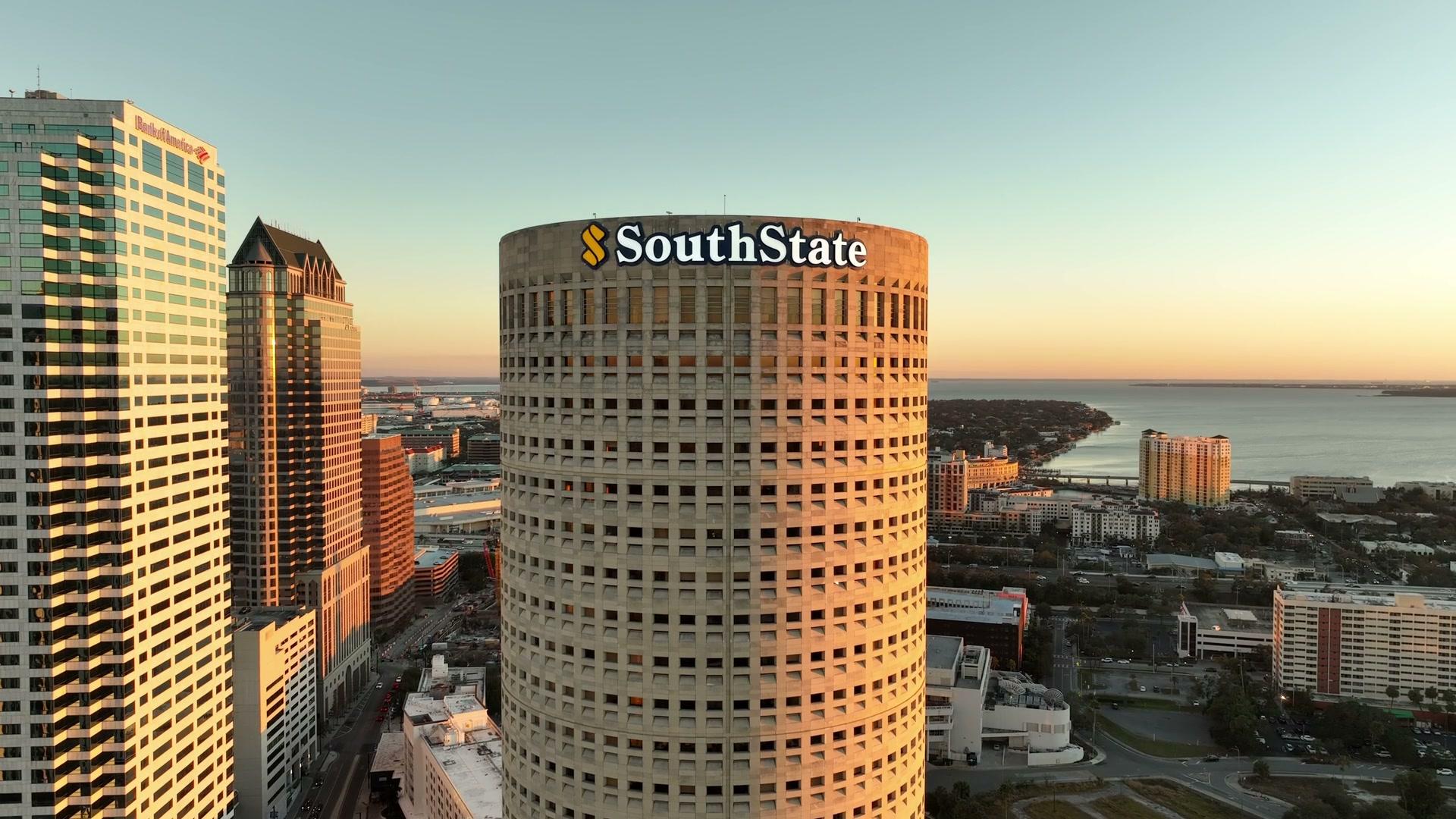
Film the customer doing the work: the baker pulling trays at 5 a.m., the contractor walking a site, the family on the porch of the house they bought. Then film the relationship: the banker visiting the business, a handshake that is not staged for the lens, a conversation at the counter. Wide establishing shots of the street or town tell viewers this is local. When the location calls for it, drone footage adds scale, with flights planned around FAA Part 107 rules and airspace authorization.
Releases and permissions
Get every signature before the camera rolls. Your legal team should approve the release language, but most bank testimonial shoots need:
- An appearance release from every featured customer, covering where and how long the video may be used, including paid ads.
- A location release from the business owner or property manager.
- Releases from anyone recognizable in the background, such as the customer's employees.
- A parent or guardian signature for anyone under 18.
- A clear plan for logos, artwork and music visible or audible on location.
Keep account numbers, statements, screens and paperwork out of frame. Privacy is easier to protect at the shoot than in the edit.
What compliance reviews in a testimonial
Compliance teams look at testimonials for two things: whether the endorsement itself is honest and properly disclosed, and whether anything the customer says triggers advertising disclosures. This is not legal advice. Talk to your compliance team, and use the regulations below as the vocabulary for that conversation.
Endorsement rules. The FTC's Endorsement Guides (16 CFR Part 255) say an endorsement must reflect the endorser's honest opinion, that unexpected connections such as payments or perks should be disclosed, and that an exceptional result needs context about what people can generally expect. The FTC's 2024 rule on fake reviews and testimonials also bans testimonials from people who do not exist, including AI-generated ones, and undisclosed insider testimonials. Banks sit outside the FTC's direct jurisdiction under Section 5 of the FTC Act, but examiners still review advertising for unfair, deceptive or abusive practices, as the FDIC's consumer compliance examination manual describes. The Guides are a sensible yardstick.
Rates and terms. A customer who mentions a number can turn a story into an ad that needs disclosures.
| If the customer says | Why compliance flags it | What usually happens |
|---|---|---|
| "I'm earning 4% on my CD" | A rate of return in a deposit ad must be stated as an annual percentage yield, which brings additional disclosures under Regulation DD | Cut the number or add the disclosures |
| "My payment is only $300 a month" | Payment amount is a triggering term for closed-end credit under Regulation Z | Cut it or add the down payment, repayment terms and APR |
| "I got free checking" | Regulation DD limits calling an account "free" if maintenance or activity fees may apply | Confirm the account qualifies |
| "They approved me in a day" | Implies a typical result | Add context or cut the line |
| "They'll never say no to you" | Implied guarantee | Cut the line |
Implied guarantees are the quiet risk. Customers say generous things. "They'll always take care of you" is heartfelt, and it is also a promise the bank cannot make to every viewer. We flag lines like that in the transcript before the first cut goes to review. Our bank video compliance checklist has the full review list.
Small business stories
Small business stories are the strongest testimonials most community banks can tell, because the owner is a local name and the bank's role is concrete: a line of credit before a busy season, a building loan, a banker who picked up the phone. The video is about the business, and the bank is the supporting character. Owners often share the finished piece with their own customers, which extends its reach. We go deeper on commercial banking in small business client stories.
Start with three names
Ask your lenders and branch managers for three customers with a specific before and after, and you have the start of a series. Big Wave Productions plans and films customer story videos for banks and financial institutions, from the pre-interview calls and releases to the flagged transcript your compliance team reviews before the first cut. Book a free discovery call with Brian, call or text 407.498.5980, or email brian@meetbigwave.com.
Sources
- Federal Trade Commission, Guides Concerning the Use of Endorsements and Testimonials in Advertising, 16 CFR Part 255, revised July 26, 2023.
- Federal Trade Commission, "FTC's Endorsement Guides: What People Are Asking".
- Federal Trade Commission, "Federal Trade Commission Announces Final Rule Banning Fake Reviews and Testimonials", August 14, 2024.
- 15 U.S.C. 45, Section 5 of the FTC Act, subsection (a)(2).
- FDIC, Consumer Compliance Examination Manual, VII-1: Unfair, Deceptive, and Abusive Practices.
- Consumer Financial Protection Bureau, Regulation DD, 12 CFR 1030.8 (Advertising).
- Consumer Financial Protection Bureau, Regulation Z, 12 CFR 1026.24 (Advertising).