The short answer
Book your conference photographer and videographer once the venue contract is signed: 6 to 12 months ahead for a multi-day conference with session recording, interviews or travel, and 3 to 6 months for a smaller single-track meeting. Big Wave Productions then works backward from show week so AV feeds, power, releases and crew travel are settled early.
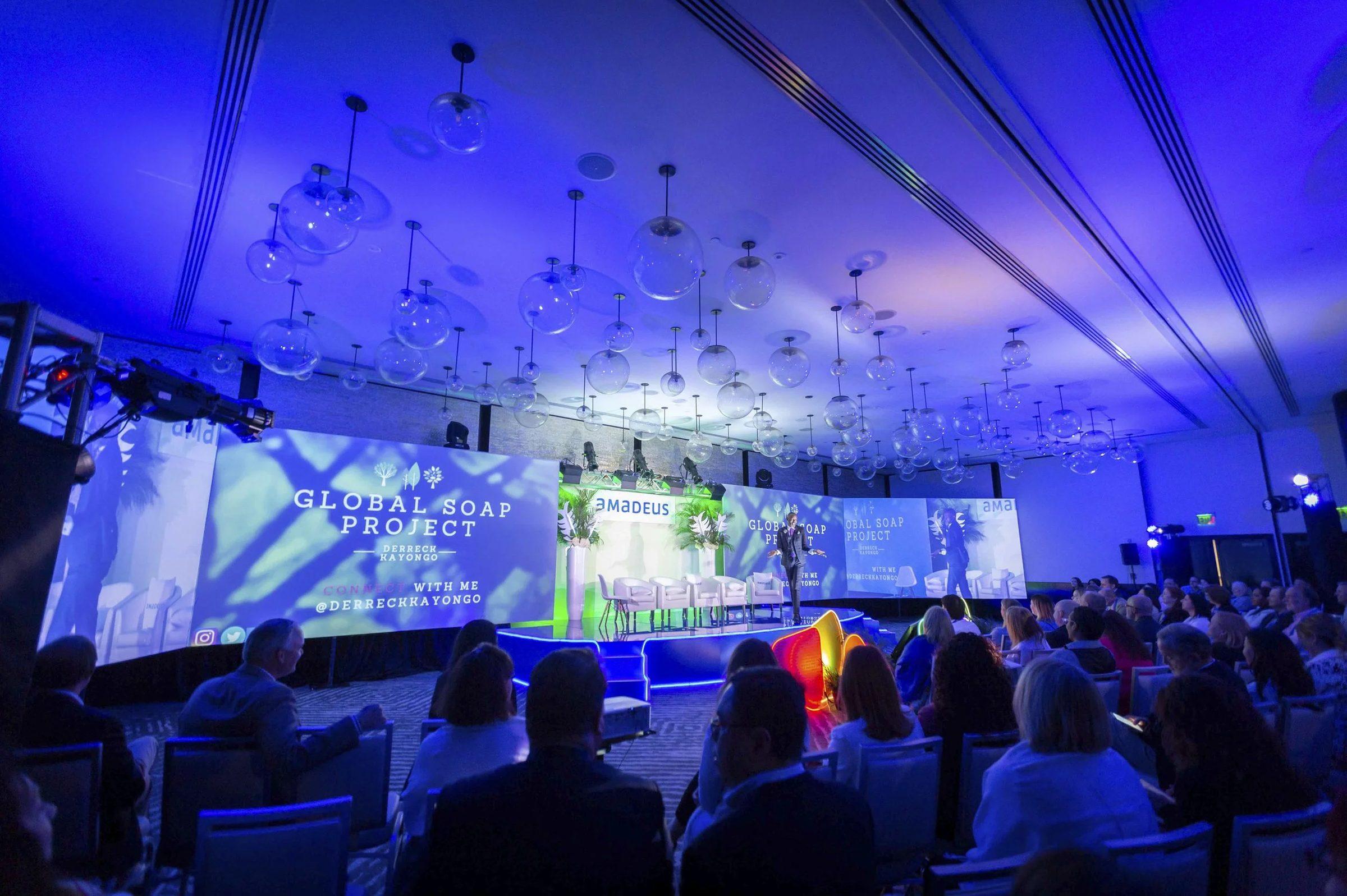
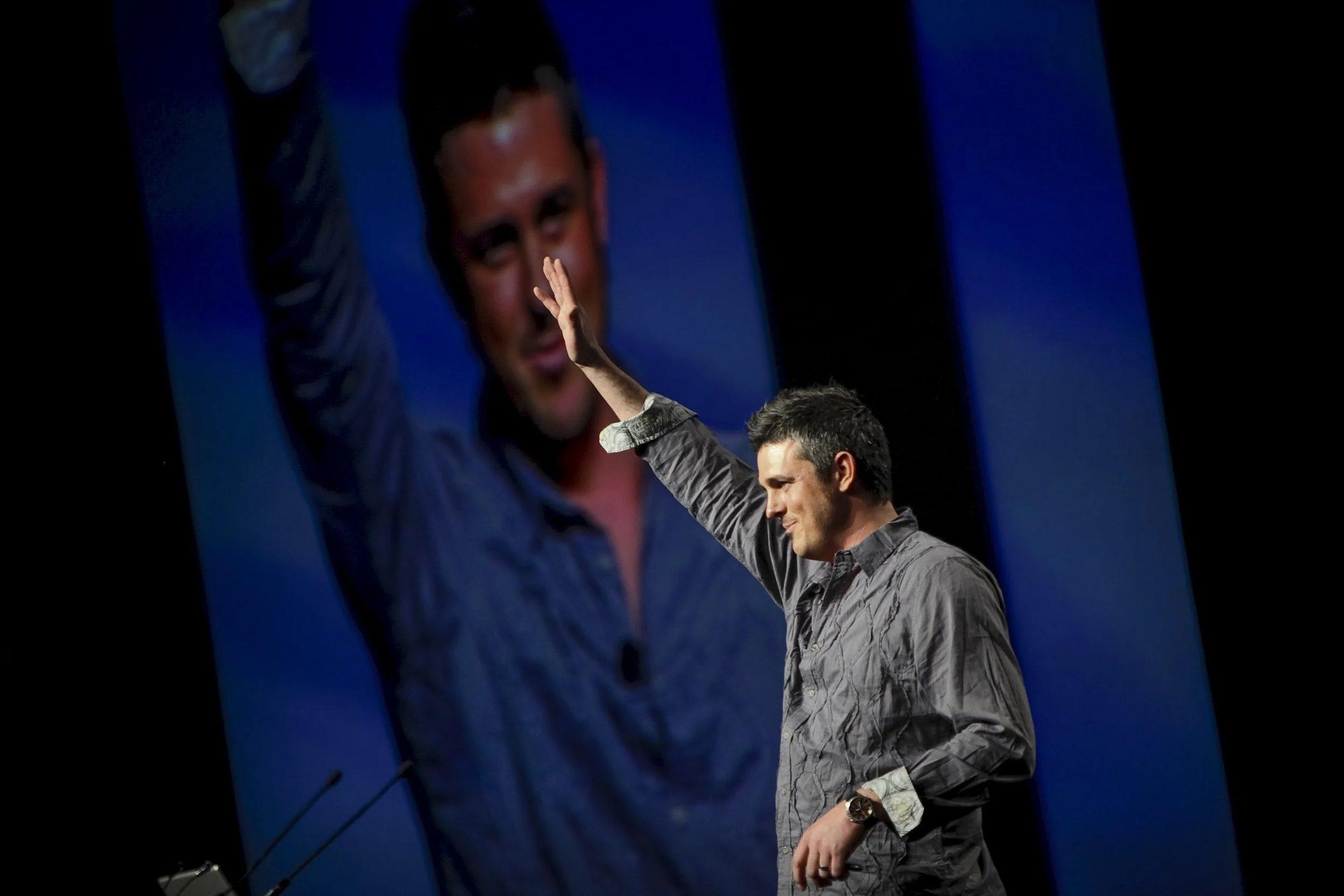
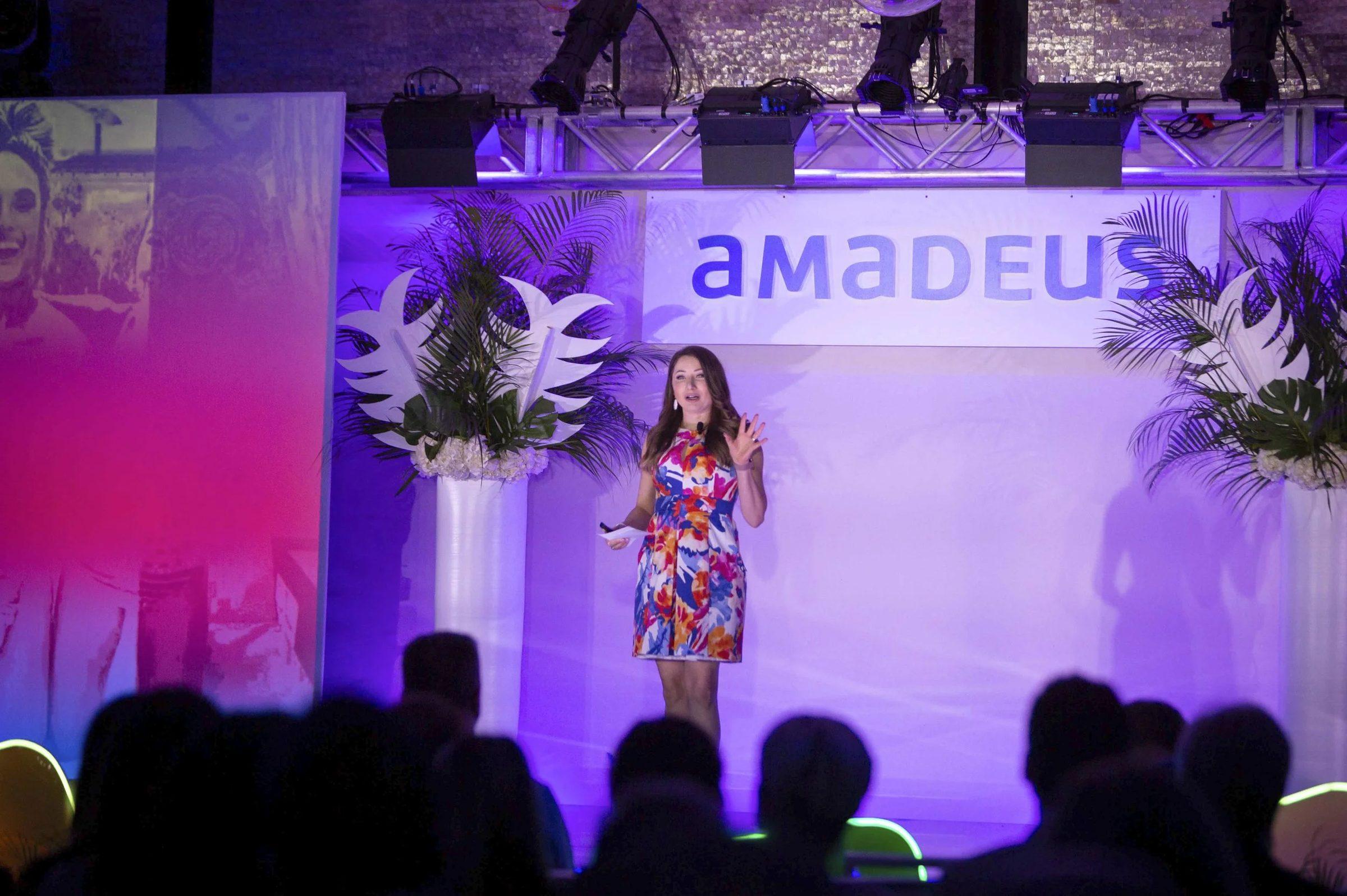
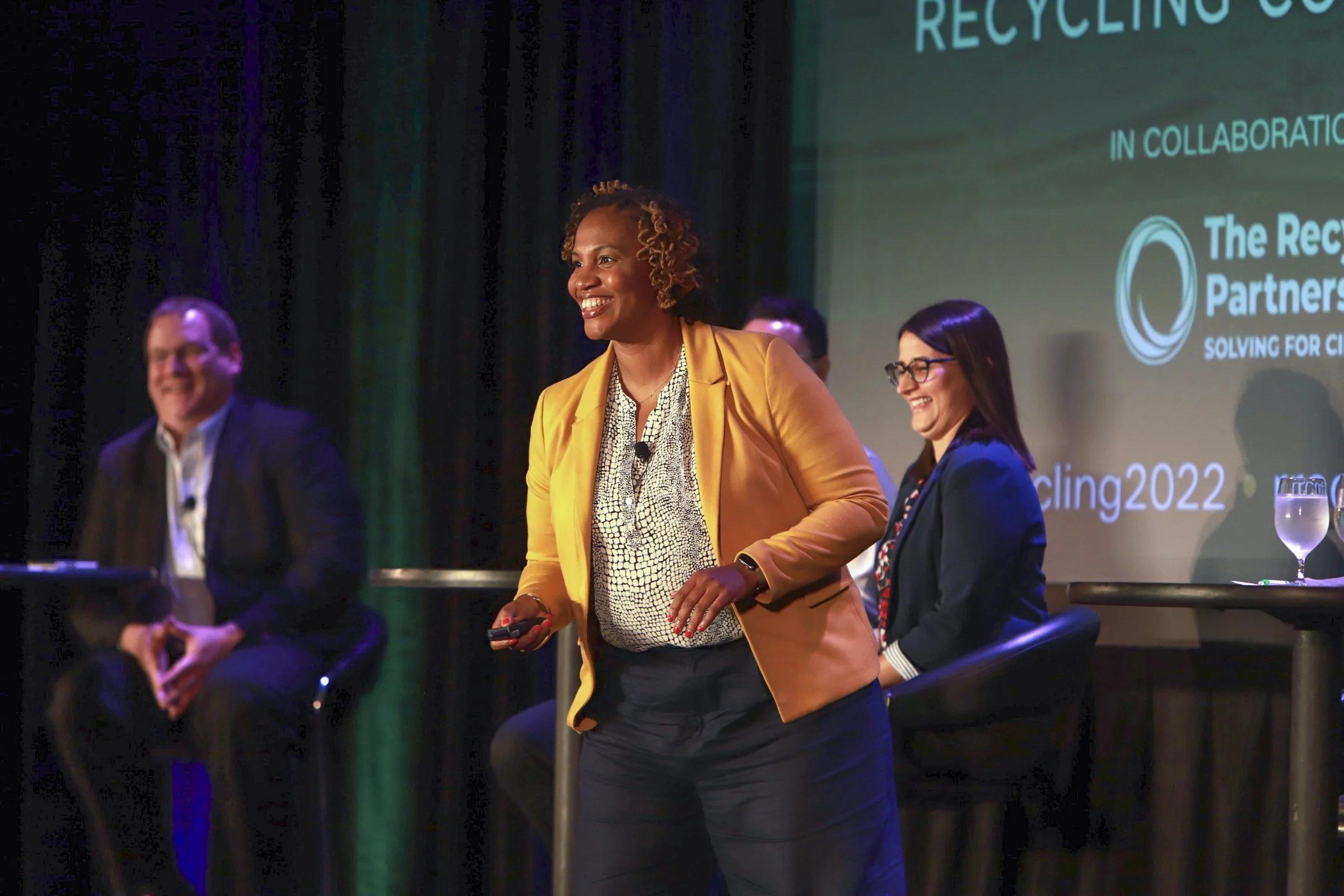
The right time to book a conference photographer and videographer is as soon as the venue contract is signed. In practice, that means booking 6 to 12 months in advance for a multi-day conference with session recording, interviews or crew travel, and 3 to 6 months in advance for a smaller single-track meeting. The same window applies to any event photographer, and the booking date matters less than what gets done between booking and load-in. Big Wave Productions, a national conference photo and video company headquartered in Orlando, has spent nine years as Resource Recycling's conference photographer and videographer, and this is the timeline we plan against.
How far ahead to book, by type of event
Treat this table as planning guidance, not a rule. The right-hand column is what usually sets the deadline.
| Your event | Book by | What drives the lead time |
|---|---|---|
| Half-day or one-day meeting, one room, local crew | 2 to 3 months out | Mostly crew availability |
| One- or two-day conference, single track, small expo | 3 to 6 months out | Coverage plan, AV coordination, sponsor add-ons |
| Multi-day conference with concurrent breakouts and session recording | 6 to 9 months out | Recording consent, audio and slide feeds, crew size |
| Large multi-day event with livestreaming, an interview studio or crew travel | 9 to 12 months out | Venue internet and labor orders, hotel rooms, sponsor packages |
| Any event during a busy convention week in the host city | The week the venue contract is signed | Hotel rooms and local crew go first |
Why the calendar matters as much as the size
Your conference shares its week with every other event in the host city. When a large show is in town on the same dates, hotel rooms and local crew are in demand, and the vendors you want may already be committed. Before you set a booking deadline, ask your venue sales manager or the city's convention and visitors bureau what else is on the books that week.
Rotating annual meetings add a second wrinkle. Resource Recycling's conferences have moved through Austin, Orlando, New Orleans, National Harbor, Grapevine and Chula Vista, and every new venue brings its own vendor rules. For a meeting that moves, the easiest time to book next year's crew is during this year's debrief, while the notes on what worked are still fresh.
Your own marketing calendar can set the deadline too. If you want a promo film released with the agenda, the crew has to be booked before the edit starts, and the footage has to exist already. The E-Scrap 2026 promo we made for Resource Recycling used footage from past conferences and was released alongside the agenda. Our guide to conference promo videos explains how to schedule one.
What has to happen between booking and the shoot
Booking early buys time for work that depends on people outside your team, and most of them have deadlines of their own.
The agenda and room map
Crew size comes from how many things happen at once, not from attendance. The production company needs a draft agenda with room names to count overlaps, decide which rooms get cameras and size the photo team. Our guide to how many photographers a conference needs walks through that math.
Venue AV rules
Every venue sets its own terms for outside production crews, and those terms change the quote. The Anchorage Convention Centers' service company policy routes outside AV companies through its preferred provider for access to the communication rooms and says patch fees for tying into house sound belong in the contractor's quote. In Denver, the Colorado Convention Center's ancillary services guide requires outside AV vendors to employ IATSE Local No. 7 union labor. Rules like these affect how many people a crew sends and what it costs, so ask for the vendor packet before you lock the scope.
Power and rigging
Lights for a headshot lounge, a greenroom interview set and an on-site edit station all need power, and convention centers often control it. The Orange County Convention Center in Orlando lists itself as the exclusive provider of both electricity and aerial rigging and lighting. Anything that needs its own circuit or has to hang from the ceiling goes on an order, and orders take lead time.
Insurance and vendor paperwork
Expect the venue to ask your crew for a certificate of insurance, and sometimes a business license, before load-in. The Anchorage policy also asks for any décor, lighting or rigging plan no later than two weeks before the event. Paperwork is quick when it starts early and stressful when it starts the Friday before.
Speaker agreements and sponsor packages
Two documents go out months before the event and shape the video plan: the speaker agreement and the sponsorship prospectus. Recording consent and greenroom interview slots belong in the speaker agreement. Sponsored pieces, such as a headshot lounge or a sponsor spotlight interview, belong in the prospectus. If the crew plan doesn't exist when those go out, you end up asking for permissions one person at a time. Our guide to speaker releases for recorded sessions lists what the agreement should cover.
Hotel rooms and travel
Crew rooms booked inside your hotel block keep the crew minutes from the rooms they cover, and they count toward your block. Book them before the block's cutoff date. Big Wave works from coast to coast and in Canada, Mexico and the Caribbean, so flights and gear travel get planned during pre-production, not the week of the show.
A backward timeline from six months out
| When | The organizer | The production crew |
|---|---|---|
| 6+ months out | Signs the venue, confirms dates, holds the crew, drafts a deliverables wish list | Discovery call, rough crew plan, list of venue rules to check |
| 4 to 5 months | Sends speaker agreements with recording consent and interview slots, opens sponsor sales | Coverage outline, scope for sponsor add-ons |
| 3 months | Shares the draft agenda with rooms, the venue vendor packet and the AV company contact | Recording map, AV request list (audio feeds, slide feeds, camera positions, power), final quote |
| 6 to 8 weeks | Confirms which sessions are recorded or streamed, collects signed releases | Books flights and rooms in the block, sends insurance certificates, places power and internet orders |
| 2 to 4 weeks | Final agenda, spelling of speaker names, sponsor list with booth numbers | Shot list, interview schedule, same-day delivery plan, any lighting or rigging plan the venue requires |
| Show week | Walkthrough, one named on-site contact | Load-in, tech check in each recorded room, coverage, same-day photo batches |
| After the show | Names one approver for reviews | Session edits, recap film, full photo library |
What happens when you book late
A late booking works more often than people expect. What you lose is choice, not coverage. These are the things that slip when a crew comes on with only a few weeks to go:
- The crew you wanted is already committed, especially in a busy convention week.
- Interview slots were never written into speaker agreements or sponsor packages, so the greenroom schedule depends on whoever says yes on site.
- Some speakers never agreed to be recorded, and their sessions can't be published.
- The AV company has finished its plan without audio and slide feeds for video, which can mean added patch fees or labor charges.
- Crew rooms land outside the block and flights cost more.
- There is no time to cut a promo from last year's footage before registration opens.
When time is short, lock these in order:
- The must-have deliverables and the date each one is due.
- Signed recording consent from every speaker you plan to publish.
- Audio and slide feeds from the AV company for each recorded room.
- Venue paperwork, including insurance certificates and power orders.
- Travel and rooms.
Everything after that is a nice-to-have you add as the schedule allows.
If your organization requires an RFP
A formal request for proposals adds weeks to the front of this timeline: drafting, a response window, questions from bidders, scoring and sometimes board approval. Start the RFP that much earlier, and write it so bids come back comparable. Our guide to writing a conference photography and video RFP includes a copyable outline.
Hold your dates now, finish the plan later
You don't need a final agenda for the first call. Dates, the venue and a rough list of what you want back are enough to hold a crew and flag the venue rules worth checking. See how conference video production works at Big Wave, then book a discovery call with Brian or call or text the office at 407.498.5980 with your dates and host city.
Sources
- Anchorage Convention Centers, Service Company/Decorator Policy (PDF)
- Colorado Convention Center, Ancillary Services and Charges (PDF)
- Orange County Convention Center, Exhibitor services