The short answer
Bank video production cost is set by scope: crew size, shoot days, locations and travel, interviews, scripting, motion graphics, licensed music, compliance review rounds and the number of deliverables. As a market reference, Clutch's 2026 pricing data says most video projects on its platform cost under $10,000, with an average near $42,000.
A bank video can cost a few thousand dollars or reach six figures, and the difference is scope. Crew size, shoot days, travel, the number of interviews, post-production, compliance review rounds and the list of deliverables set the number. Big Wave Productions quotes each project after a discovery call rather than from a rate card, so instead of a price, this guide walks through the drivers a producer prices against and the habits that make a bank video budget go further.
What the market data says
Public pricing data is a useful reference point, as long as you read it as a market range and not a quote. Clutch, a B2B marketplace, publishes a video production pricing guide built from verified client reviews. As of October 2026, it reports:
- Most video production projects on Clutch cost less than $10,000.
- The average project cost is about $42,000.
- Most agencies charge $100 to $149 per hour, and U.S. agencies sit in that band.
- Its project-size brackets run from under $10,000 to $200,000 and up.
Two notes before you take those numbers into a budget meeting. First, they cover every kind of video, from animated explainers to commercials, not bank work specifically. Second, the gap between "most projects under $10,000" and an average above $40,000 tells you how wide the range really is. A small number of large projects pull the average up.
These are market ranges, not Big Wave prices. What your project costs depends on the drivers below.
What drives the cost of a bank video
Most bank video estimates come down to the same ten cost drivers. The table shows what pushes each one up and how to keep it in check.
| Cost driver | What pushes it up | How to keep it in check |
|---|---|---|
| Crew size | Multi-camera interviews, a dedicated audio operator, lighting crew, drone pilot, photographer | Match the crew to the deliverables, not the other way around |
| Shoot days | More locations, executive availability, weather holds | Group interviews and b-roll into the same days |
| Locations and travel | Flights, hotels, gear shipping, several markets | Batch markets into one trip |
| Interviews | More subjects, officials with short windows, extra setups | Fewer, better interviews with questions sent ahead |
| Scripting and pre-production | Original concepts, storyboards, scripted actors | Interview-led formats need less scripting |
| Motion graphics | Custom animation, rate tables, product explainers | Build one graphics package and reuse it |
| Licensed music | Commercial tracks, broadcast or paid usage | Production music licensed for your actual usage |
| Compliance review rounds | Many reviewers, changes after the edit is locked | Review scripts and rough cuts early |
| Deliverables and formats | Many cutdowns, vertical and horizontal, captions, display versions | Write the list before the shoot |
| Usage | Paid media, broadcast, long terms, paid talent or athletes | Define where and how long it will run up front |
Crew and shoot days
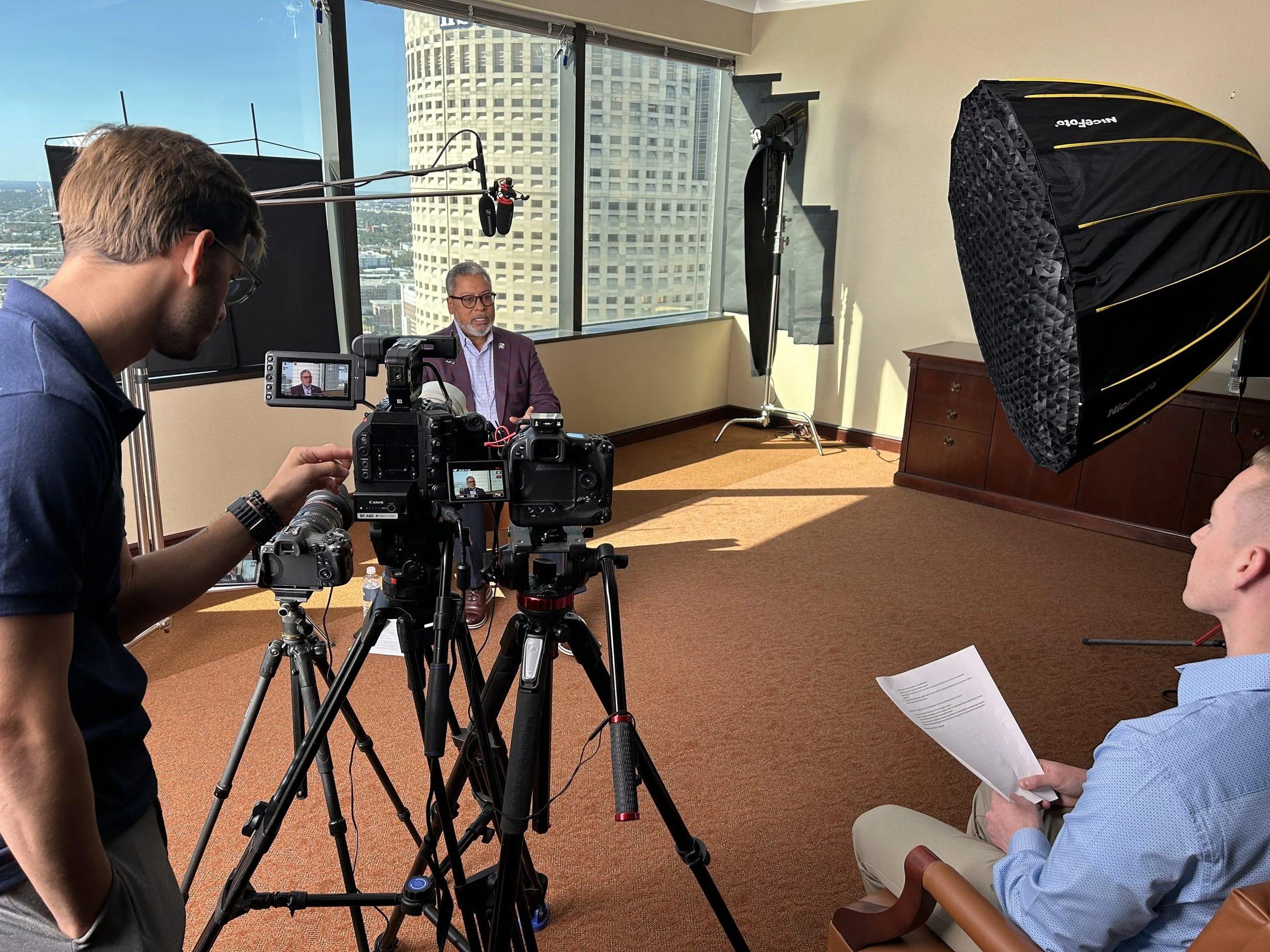
Crew and days are usually the biggest lines. A single executive message in one office might need a small crew for half a day. A brand film across several branches needs more people, more gear and more days. Instead of asking how small the crew can be, ask what each person on it makes possible. A second camera on an interview, for example, lets the editor cut a tight message without jump cuts, which saves time in post.
Locations and travel
Travel adds flights, hotels and time, and it multiplies fast when a bank operates in several states. For SouthState Bank, Big Wave filmed in Tampa and Atlanta and documented signage and locations in Orlando, Charleston, McKinney, Texas, and Greeley and Denver, Colorado. Work like that is far more efficient when markets are grouped into planned trips instead of booked one at a time.
Compliance review rounds
Bank video goes through review that most corporate video never sees: the FDIC advertising statement, rate and term disclosures, fair lending language and testimonial rules. Every round after the edit is locked adds editor hours and calendar days. We typically plan review at three points: interview questions or script, rough cut and final. Our bank video compliance checklist covers what reviewers usually look for.
Deliverables, formats and usage
A two-minute film, six vertical social clips, a 15-second cutdown and a display loop are four different edits, even when they come from the same footage. Each format and each version adds post-production time. Usage matters too. Music licensed for unpaid social posts may not cover paid ads or broadcast, and paid talent or athlete agreements are usually priced by where and how long the video runs.
Typical bank video projects and what shapes each budget
Most bank projects fall into a handful of types, and each has its own biggest cost line.
- Brand film. Concept development, scripting, several locations and the most post-production. It is usually the biggest single investment, and it has the longest life.
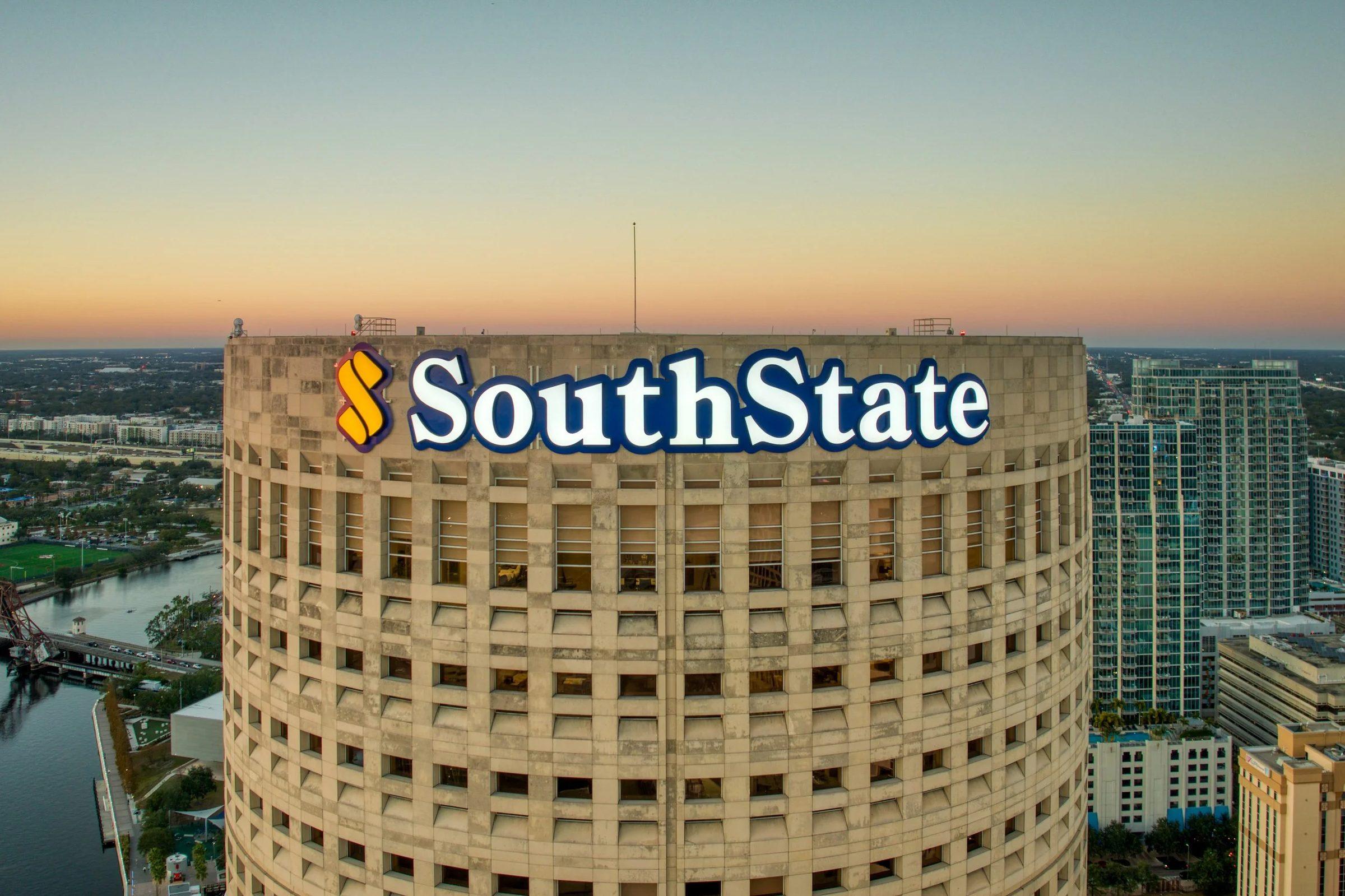
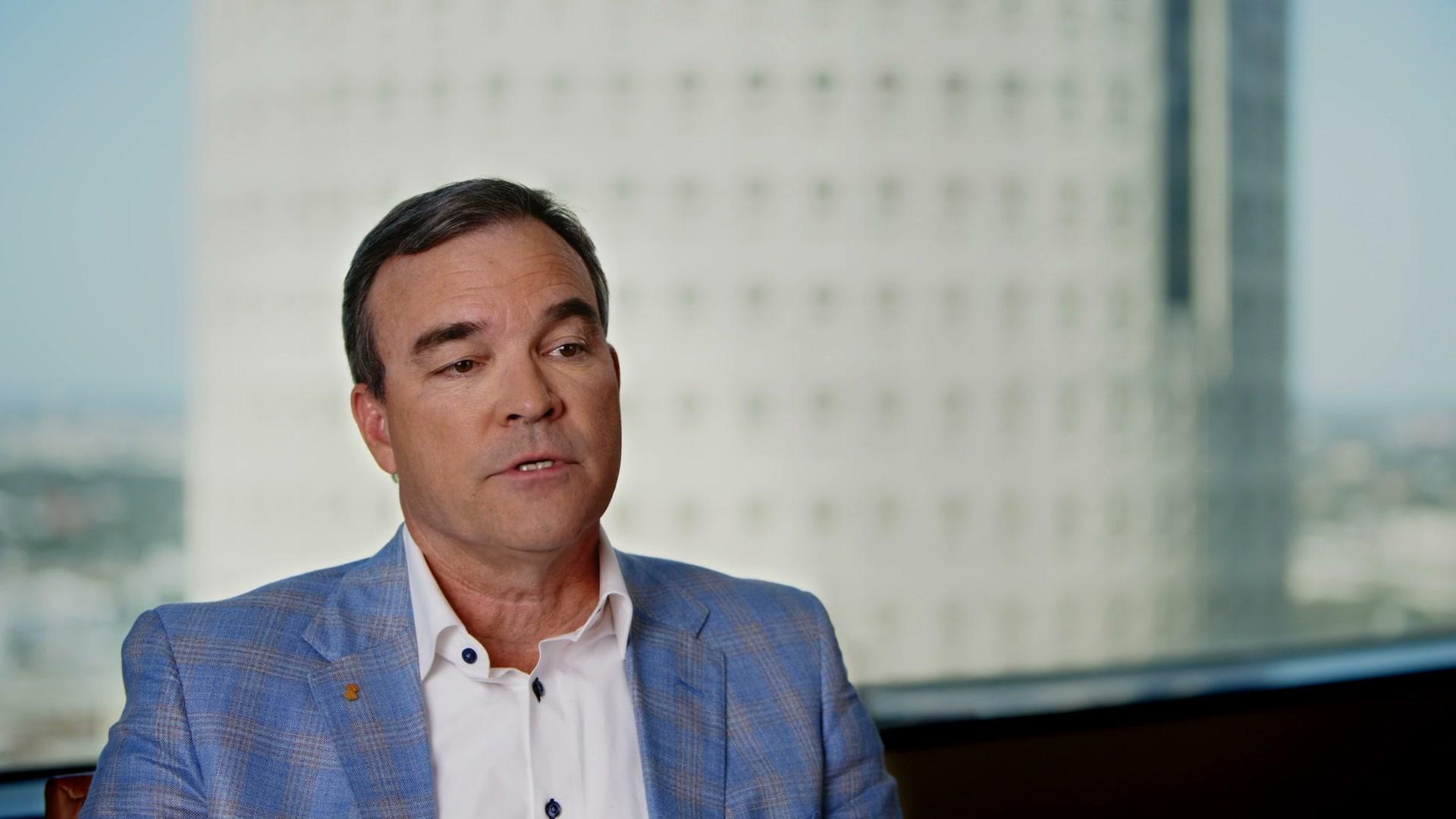
- Branch or headquarters opening. The work spans weeks, not one day: signage timelapse, aerials, interviews with leaders and local officials, the event itself, and often a display version. For SouthState's Tampa headquarters at Rivergate Tower, that meant a signage timelapse, aerial and ground footage, interviews with the bank's CEO, Tampa's mayor, SouthState's West Florida Division President and the president of the Tampa Bay Economic Development Council, and a film that premiered at the grand opening. See our branch and headquarters opening page.
- Executive video. Usually one location and a short session. The budget depends mostly on how many messages you capture while the executive is in the chair.
- Customer stories. Each story means time at the customer's business for an interview and b-roll. A series filmed in one trip lowers the cost of each story.
- Social content day. Many short vertical pieces filmed in one day, which keeps the cost per piece low. More on this on our bank social media video page.
- Recruiting and culture. Employee interviews and day-in-the-life footage. Cost scales with the number of branches and departments you want to show.
- Product explainers. Often built on motion graphics, and usually the heaviest on compliance review because they talk about rates and terms.
How to stretch a bank video budget
The best way to lower cost per video is to make every shoot day produce more. These are the habits we push for on bank projects.
- Book content days, not single videos. One planned day can produce a lead video, social clips, executive soundbites and photography.
- Plan one shoot for many deliverables. Write the full deliverables list first, then frame on set for both horizontal and vertical crops. The Tampa film for SouthState was shared on the bank's website and social channels, played at the Rivergate Tower grand opening, and kept playing on the headquarters display afterward. One production, four homes.
- Batch locations by trip. If you have branches in three cities, film them in one run.
- Lock messaging and fine print before the shoot. Late script changes cost more than early ones, and changes after picture lock cost the most.
- Keep rates out of evergreen video. Put rates and offers on a separate end card that can be swapped, so the main video does not expire when rates move.
- Build a library. Branch exteriors, aerials, community b-roll and a graphics package can be reused for a year or more.
- Split the work with your team. Let your marketing team film everyday posts on a phone, and save production for flagship stories and milestones.
What to have ready before you ask for a quote
You will get a faster, more accurate estimate if you can answer these before the first call:
- What is the goal, and who is the audience?
- Where will the video live: website, social, paid ads, a lobby or event display?
- Which deliverables do you need, and in which formats?
- Which locations and markets are involved?
- Who will be on camera: executives, employees, customers, local officials?
- Are there fixed dates, like a grand opening or annual meeting?
- Who approves the work: marketing, compliance, legal, executives?
- What budget range are you working with?
Sharing a range is not a negotiating mistake. It lets a producer design the right project for it instead of guessing.
How Big Wave quotes bank video
Big Wave Productions quotes each project after a discovery call. We do not publish a price list, because two "bank videos" can have nothing in common except the word. The estimate that follows the call is usually broken out by pre-production, shoot days, crew, travel, post-production, music and review rounds, so you can see which lines to scale up or down.
To see the kinds of projects we produce, start on our bank video production page. When you have the answers from the list above, even rough ones, book a discovery call and bring them.
Sources
- Clutch, Video Production Pricing Guide (2026 edition, compiled from verified client reviews, figures as displayed in October 2026).